
When you think about space missions, human-led efforts to explore, operate, and survive beyond Earth’s atmosphere using advanced technology and rigorous planning. Also known as human spaceflight, it isn’t just about rockets blasting off—it’s about the quiet, complex systems keeping astronauts alive for months in a place where even sweat becomes a threat. In November 2025, the focus wasn’t on grand launches, but on the details that make those launches possible: how astronauts prepare for spacewalks, how moisture is controlled inside the ISS, and how new fuel depots could one day send humans to Mars.
Behind every spacewalk is EVA maintenance, planned extravehicular activity that requires precise tools, simulated scenarios, and safety protocols to prevent life-threatening failures in orbit. NASA didn’t just test new gloves or tethers—they redesigned entire workflows to handle longer, more complex repairs on future lunar and Mars ships. Meanwhile, microgravity, the near-weightless environment created by continuous free-fall in orbit that changes how materials, fluids, and even human bodies behave became a lab for breakthroughs. Scientists saw purer crystal growth in space, fibers with less signal loss, and water recovery systems hitting 98% efficiency—turning urine and sweat into drinkable water, again and again. These aren’t sci-fi ideas; they’re the daily reality on the ISS, and they’re being built into the next generation of spacecraft.
But space wasn’t the only frontier pushing forward. In the same month, blockchain finality, the point at which a cryptocurrency transaction becomes irreversible and cannot be altered, even by network participants moved from theory to practice. New protocols slashed confirmation times, making crypto feel as instant as a credit card. At the same time, cryogenic propellant depots, orbital fuel stations storing liquid hydrogen and oxygen to refuel spacecraft mid-mission, enabling deeper space travel without massive launch payloads moved from concept to prototype. Companies like SpaceX and Blue Origin were testing them in low Earth orbit, proving you don’t need to launch everything from the ground. These aren’t separate stories—they’re two sides of the same coin: solving hard problems with precision, redundancy, and smart engineering.
What you’ll find below is a curated look at November 2025’s most practical, most urgent developments. From Russian language training for ISS emergencies to how Bitcoin miners report taxes, from urban GPS fixes to X-ray telescope optics—every article answers a real question someone is asking right now. No fluff. No hype. Just what’s working, what’s changing, and what’s coming next.
EVA maintenance planning ensures astronaut safety during spacewalks by combining advanced tools, strict protocols, and exhaustive simulations. Learn how NASA plans every spacewalk to handle extreme risks in orbit and beyond.
Learn More
Curve Finance dominates stablecoin trading on DeFi by using smart math to slash slippage. Learn how it works, why it's more efficient than Uniswap, and the hidden risks that could change everything.
Learn More
Web3 advertising relies on on-chain metrics to track real user actions like NFT mints and token swaps, replacing cookie-based tracking with wallet-based attribution. Learn how blockchain data reveals true campaign ROI and why traditional tools fail in decentralized environments.
Learn More
Proof-of-Work and Proof-of-Stake are the two main ways blockchains agree on transactions. PoW uses energy-heavy mining; PoS uses staking. Ethereum's switch to PoS cut energy use by 99.95%. Which is better in 2025?
Learn More
Learn how to protect your crypto investments during bear markets using stablecoins, dollar-cost averaging, and smart stop-losses. Avoid common mistakes and position yourself to thrive when the market rebounds.
Learn More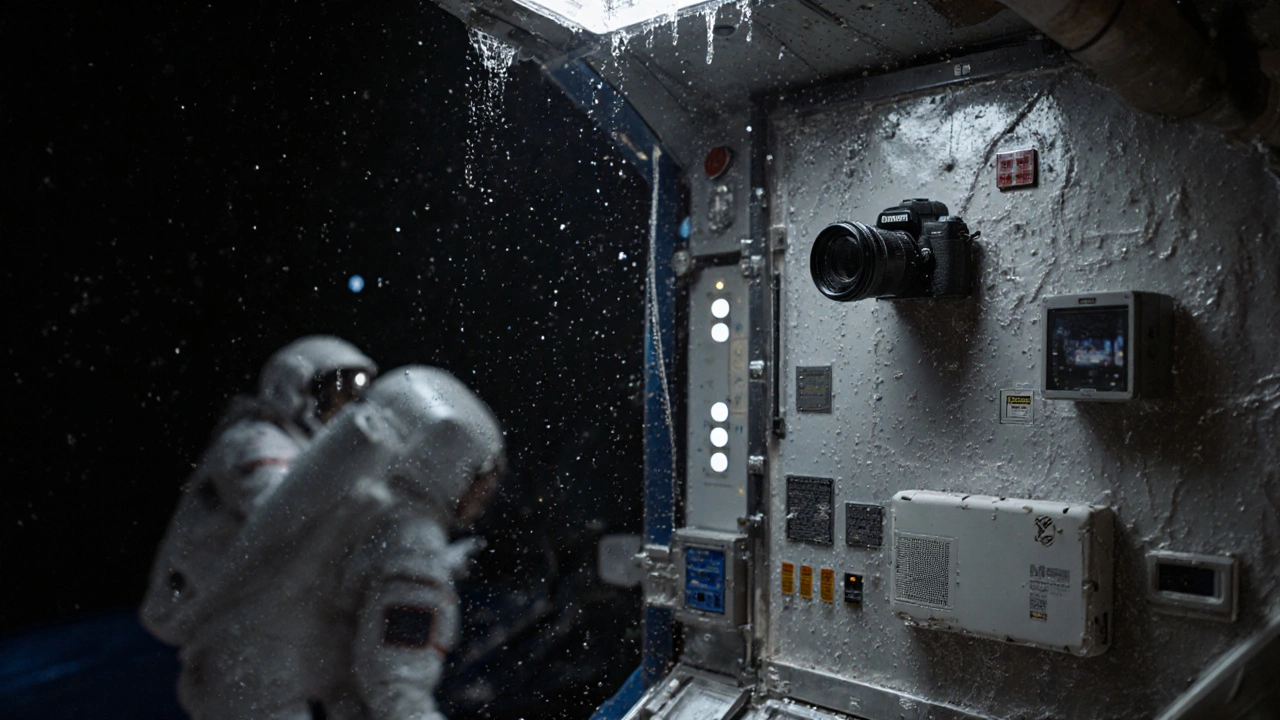
Spacecraft humidity control keeps astronauts safe by preventing condensation, protecting electronics, and recycling sweat into drinking water. Learn how NASA and private companies are making life support systems smarter and more efficient.
Learn More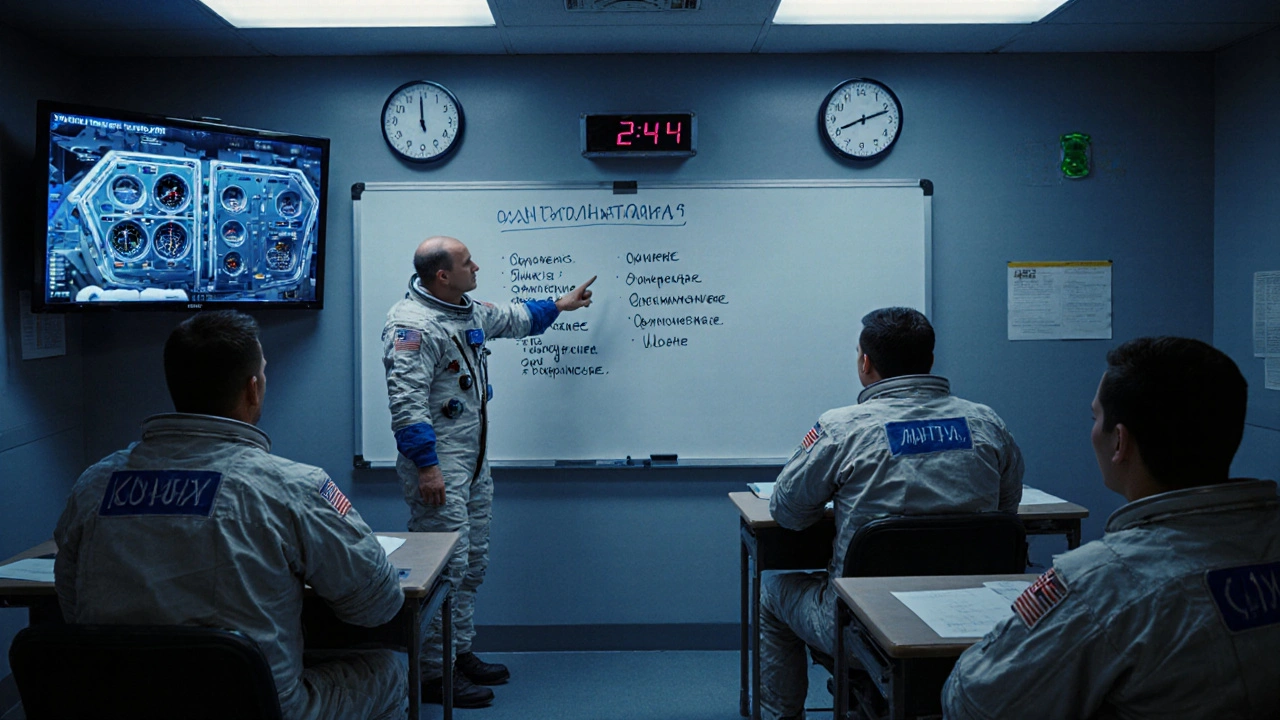
Russian language training is mandatory for all non-Russian astronauts heading to the ISS. Learn why survival, not just communication, depends on mastering technical Russian for emergencies, docking, and life support systems.
Learn More
The ISS relies on a global network of ground stations and satellites to stay connected. From NASA's TDRSS to amateur radio contacts, learn how space communication keeps astronauts safe and science moving.
Learn More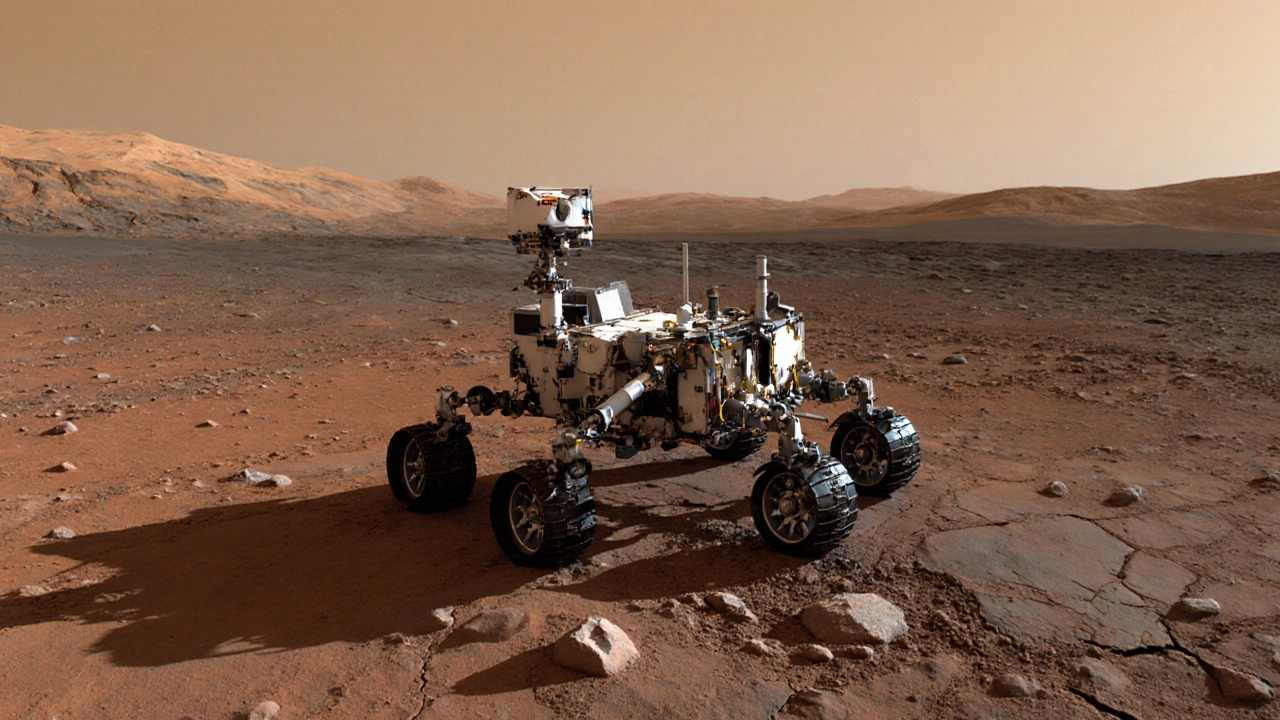
Curiosity and Perseverance are NASA's most advanced Mars rovers, each with distinct missions. Curiosity proved Mars once had habitable conditions. Perseverance now searches for signs of ancient life and collects samples for return to Earth.
Learn More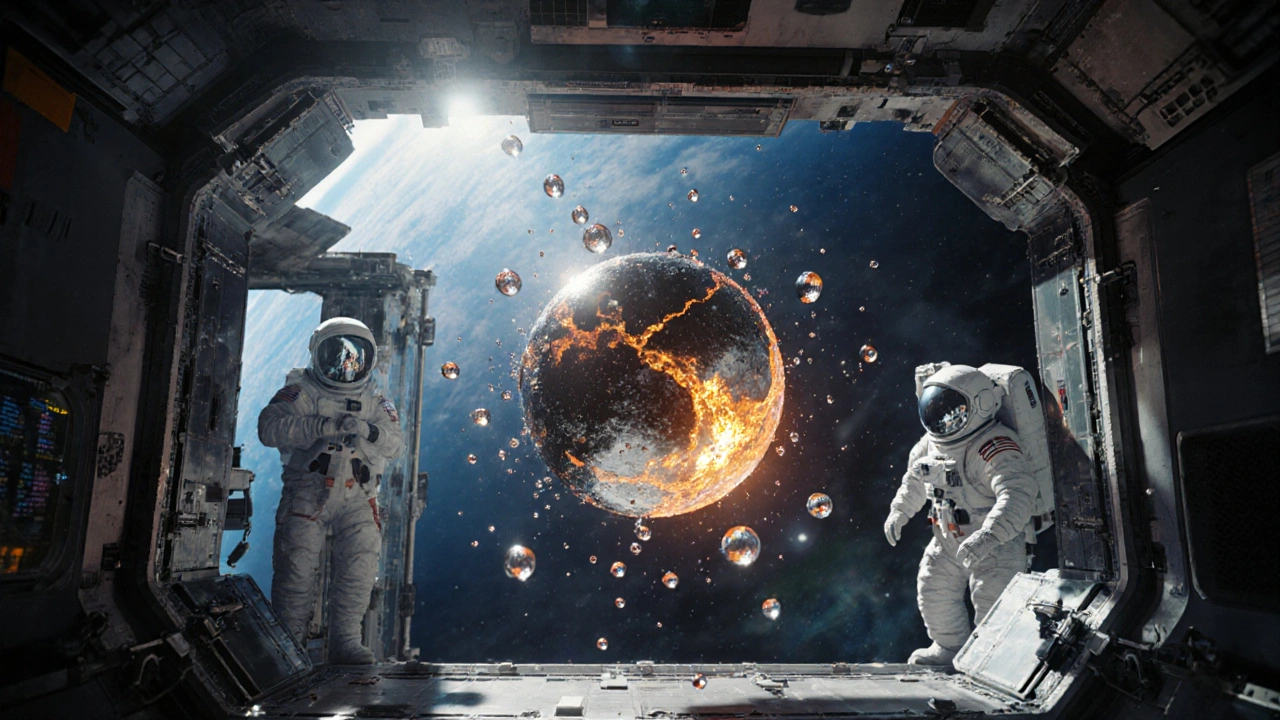
Microgravity changes how materials form-crystals grow purer, metals solidify more evenly, and fibers lose less signal. Discover how space manufacturing is creating breakthroughs in semiconductors, medicine, and optical fibers-with real results from the ISS.
Learn More
Crypto indexes and baskets let you invest in multiple digital assets at once, reducing risk and simplifying portfolio management. Learn how they work, who they're for, and why they're becoming essential in today's volatile crypto market.
Learn More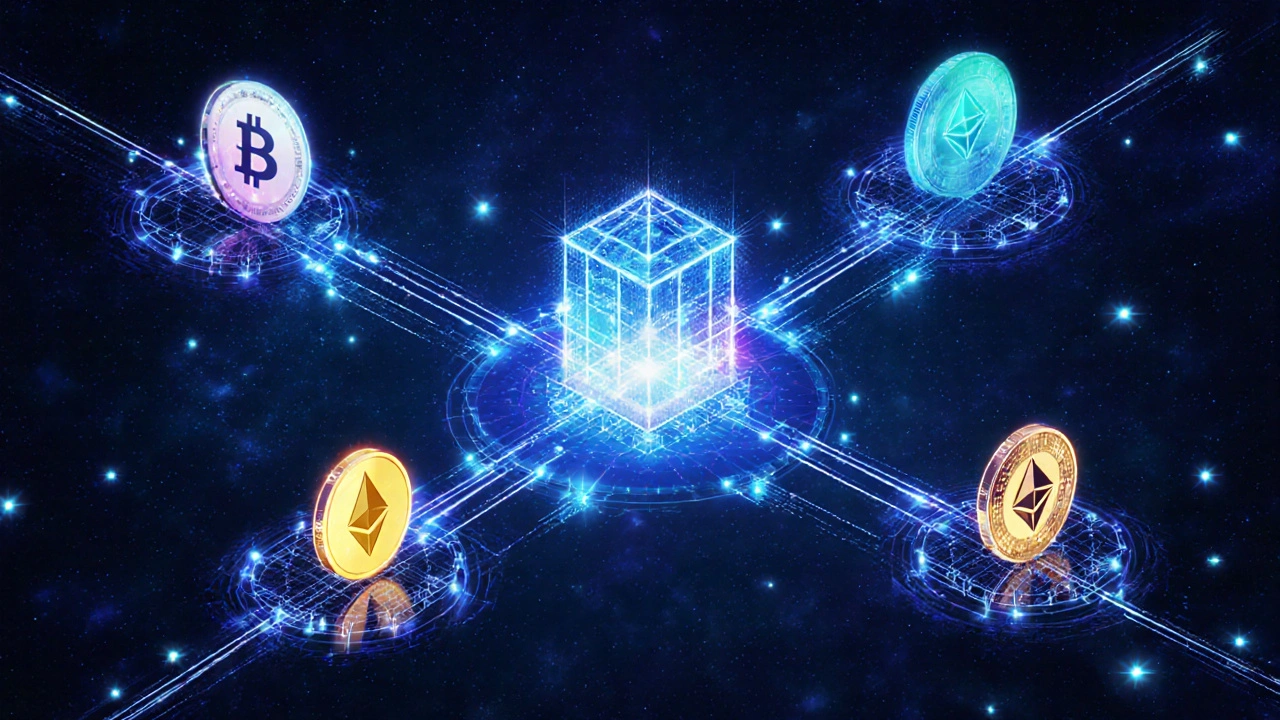
Cross-chain interoperability and liquidity hubs are transforming Web3 in 2025, enabling seamless asset movement across blockchains with new standards like IBC and ERC-7683. Leading protocols like Chainlink CCIP and Cosmos IBC are driving institutional adoption, while intent-based systems slash transaction failures.
Learn More