
When we talk about space hardware, physical systems designed to operate in the extreme conditions of space, from vacuum and radiation to extreme temperatures. Also known as spacecraft systems, it includes everything from rocket engines and satellite antennas to the suits astronauts wear and the drills that dig into Moon soil. This isn’t just metal and wires—it’s the backbone of every mission, whether it’s sending a telescope to orbit or landing a rover on Mars.
Reusable rockets, like SpaceX’s Falcon 9, are a major leap in space hardware. They don’t just fly—they land, get inspected, refueled, and fly again. That’s possible because of advanced alloys, 3D-printed engine parts, and heat-resistant coatings that survive reentry. Without these materials and designs, launch costs would still be ten times higher. And it’s not just rockets. Satellite systems now fly in tight formations, acting like one giant eye in space. They use precise navigation and control hardware to stay aligned, turning multiple small satellites into a single powerful instrument. Meanwhile, space sensors like those on the James Webb Space Telescope need to be cooled to near absolute zero. That’s done with cryostats and heat pipes—specialized hardware that pulls heat away in a vacuum where normal cooling doesn’t work. Even the ground beneath lunar landers is being engineered. Lunar infrastructure isn’t just about habitats anymore—it’s about landing pads made by melting Moon dust with lasers or microwaves. These pads stop dangerous dust from blowing out during touchdown, protecting equipment and future astronauts.
What ties all this together? Reliability. Space hardware doesn’t get upgrades after launch. If a sensor fails, you can’t send a technician. That’s why every component is built to last, tested under brutal conditions, and often over-engineered. You won’t find off-the-shelf parts in orbit. Everything is custom, hardened, and chosen for one reason: it has to work when no one else can fix it.
What you’ll find below is a curated look at how this hardware actually gets made, tested, and used. From how astronauts train for spacewalks to how satellites avoid collisions, these articles show the real-world tech behind the headlines. No fluff. Just the tools, materials, and systems that make space exploration possible today.
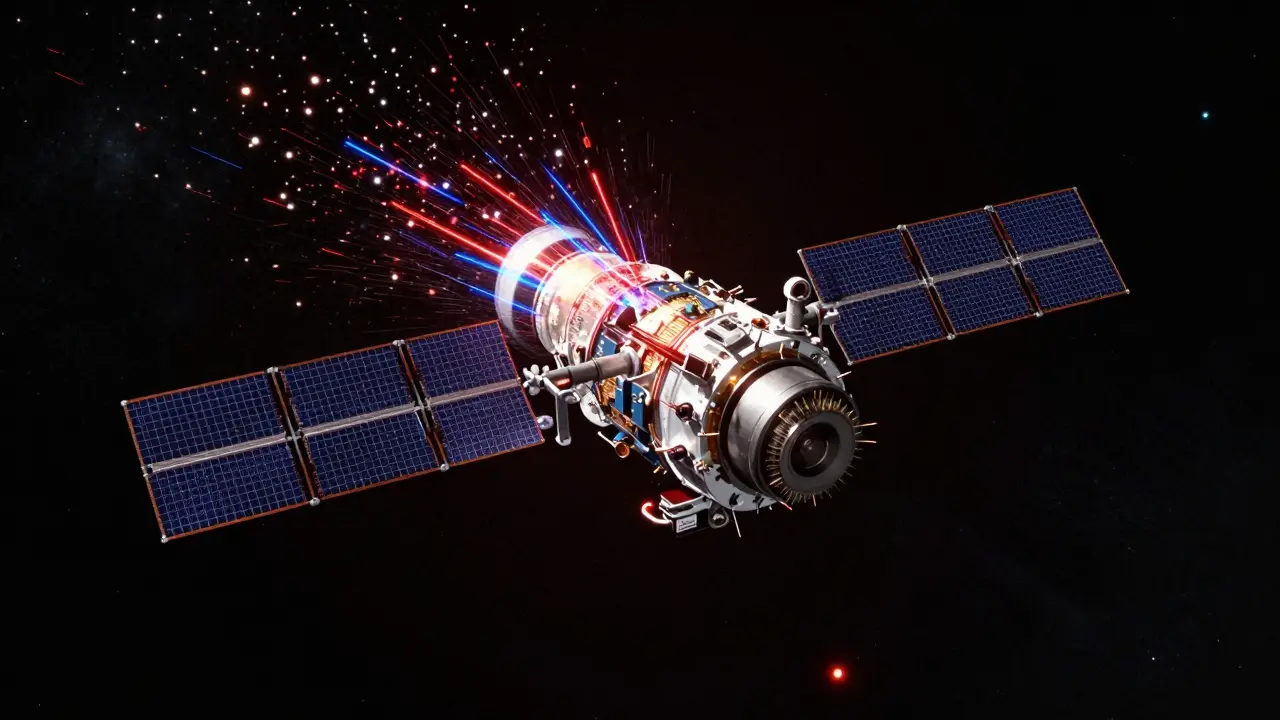
Radiation testing standards ensure space hardware survives extreme radiation. Learn how MIL-STD-883, NASA-STD-8739.10, and ECSS-Q-ST-60-15C define qualification, testing, and assurance for electronic components in space missions.
Learn More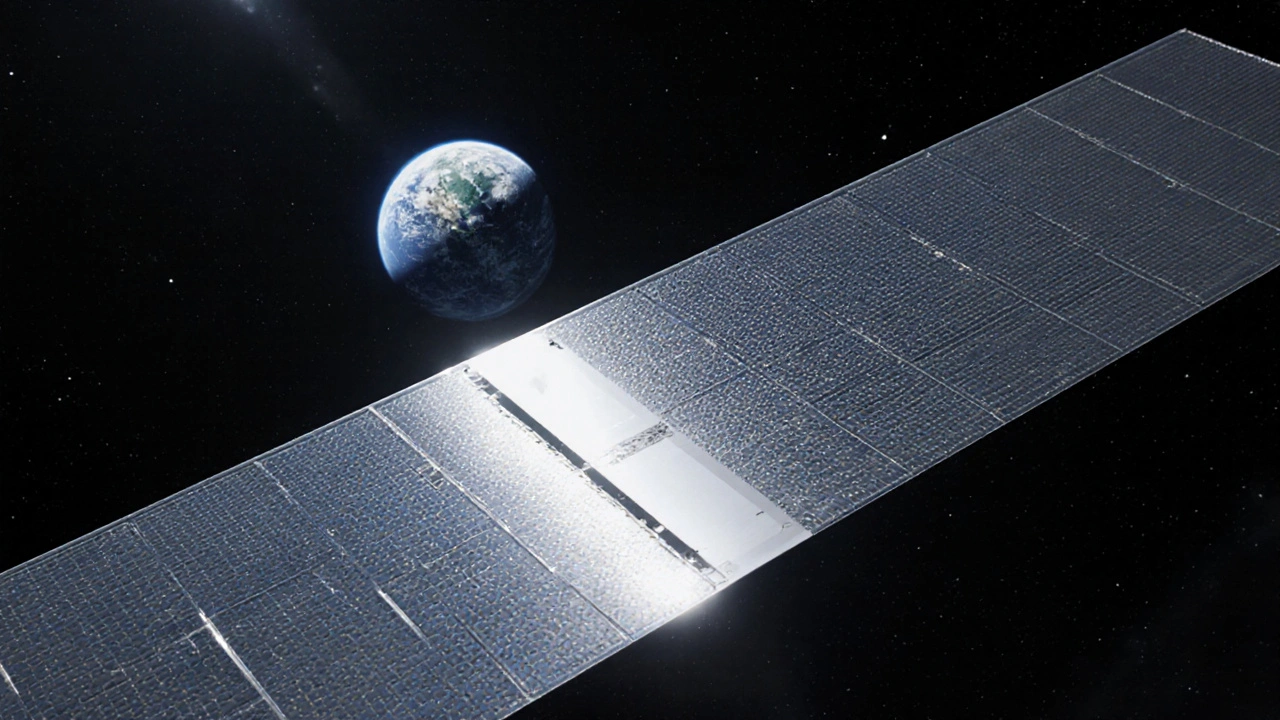
Advanced metamaterials are revolutionizing space hardware by shrinking antennas, cutting weight, and improving thermal control. Used in NASA missions like Europa Clipper, they offer dramatic performance gains-but come with high costs and long qualification times.
Learn More