
When you send Bitcoin or verify a transaction on Ethereum before its shift to Proof-of-Stake, you're relying on Proof of Work, a consensus mechanism that requires miners to solve complex mathematical puzzles to add new blocks to the blockchain. Also known as mining, it’s the original system that made decentralized digital money possible without banks or middlemen. Every time someone mines a new block, they prove they’ve spent real computing power—energy, time, and hardware—to earn the reward. This cost acts as a deterrent: attacking the network would require more power than the entire network combined, making it economically impossible.
Proof of Work doesn’t just secure transactions—it creates trust through competition. Miners join mining pools, groups of individuals who combine their computing power to increase their chances of finding blocks and sharing rewards, because going solo is nearly impossible today. The system rewards efficiency: those with better hardware and cheaper electricity win more often. That’s why Bitcoin mining shifted to places like Texas and Kazakhstan, where power is abundant and affordable. And while blockchain security, the foundation of trust in decentralized networks relies on this energy-intensive process, it’s also what makes these systems resilient to fraud and censorship.
Proof of Work isn’t perfect. Critics point to its massive electricity use, especially as Bitcoin’s network grows. But for many, the trade-off is worth it: security over speed. Systems like Ethereum moved away from it to become greener, but Bitcoin still holds strong—because its users value decentralization above all else. If you’ve ever wondered how digital money stays honest without a central authority, Proof of Work is the answer. It turns electricity into trust, and competition into consensus.
Below, you’ll find real-world breakdowns of how mining works, why pools dominate the scene, how taxes affect miners, and what happens when hardware fails or power goes out. Whether you’re curious about Bitcoin’s energy footprint or how your crypto gets verified, these articles show you exactly how Proof of Work keeps the system running.
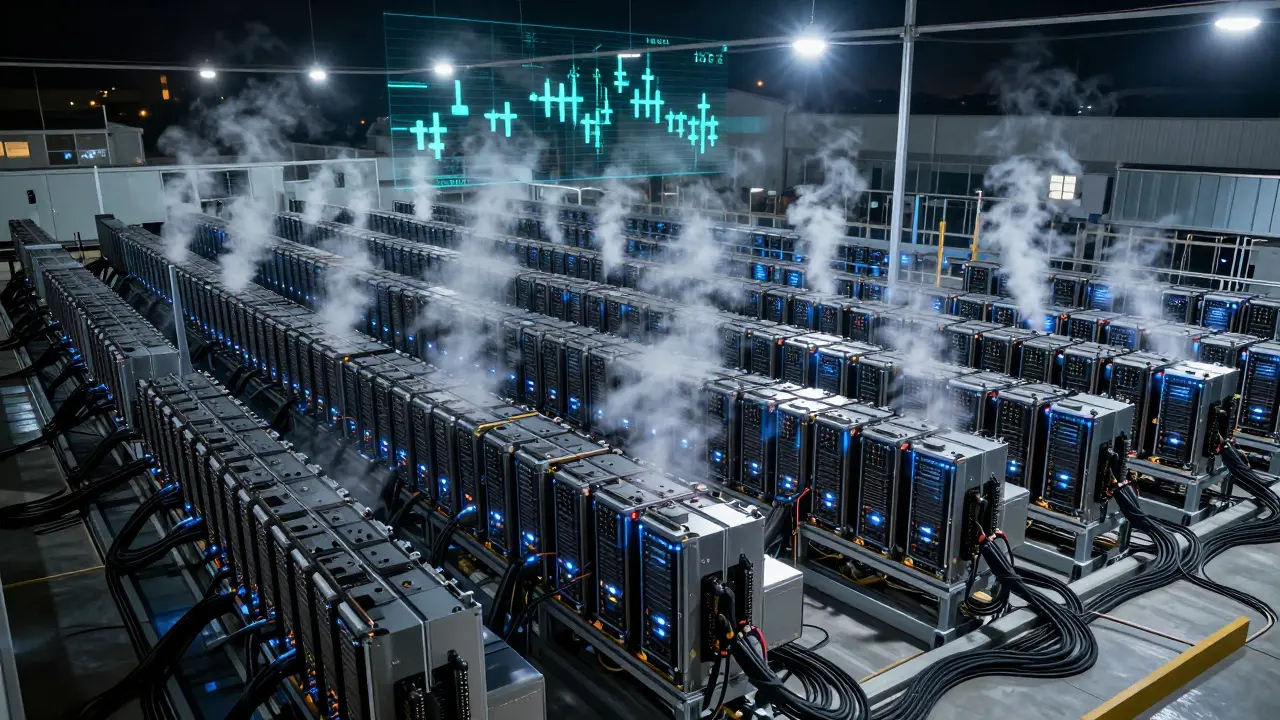
Bitcoin mining secures the network by validating transactions and adding blocks to the blockchain using Proof of Work. Miners compete to solve cryptographic puzzles with ASIC hardware, earning Bitcoin rewards. Learn how difficulty adjustments, block rewards, and mining pools keep the system running.
Learn More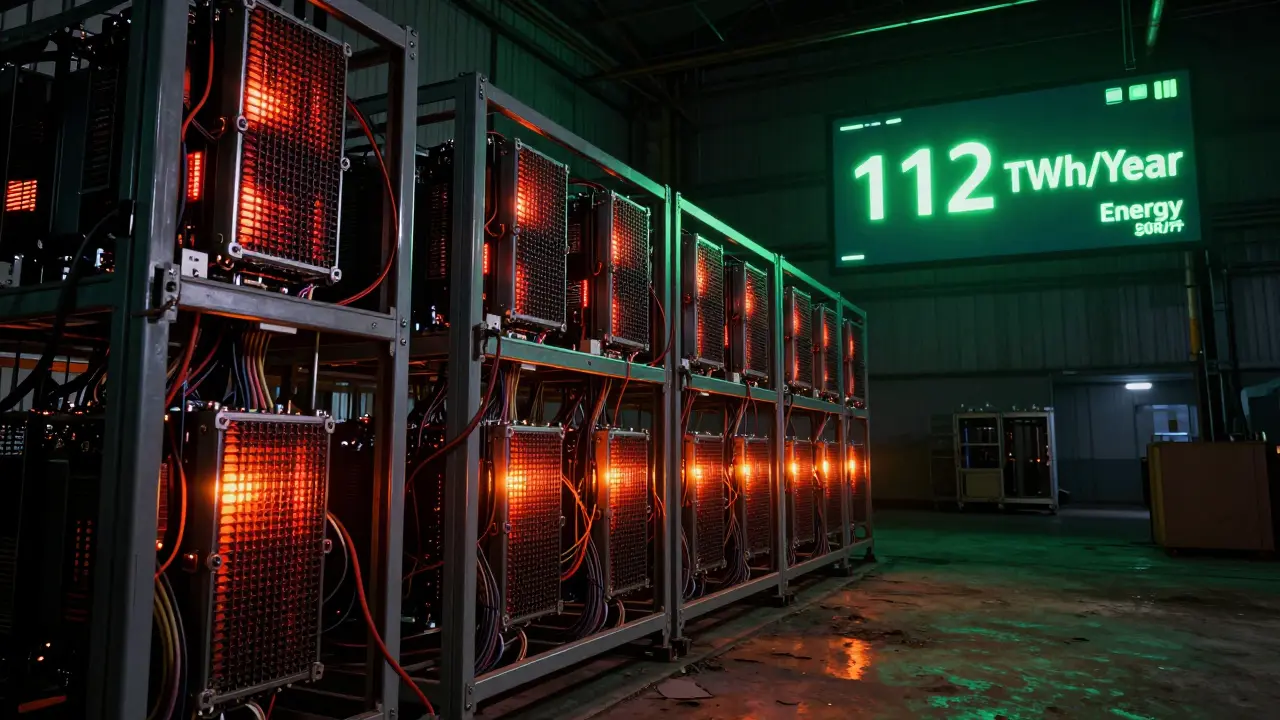
Proof of Work and Proof of Stake are two ways blockchains validate transactions. PoW uses massive energy, while PoS uses almost none. Ethereum's switch cut energy use by 99.95%. Here's what you're really trading-security, decentralization, and the planet.
Learn More
Blockchain consensus mechanisms let distributed networks agree on truth without central control. Learn how Proof of Work, Proof of Stake, and other methods secure decentralized ledgers - and why they matter for security, speed, and sustainability.
Learn More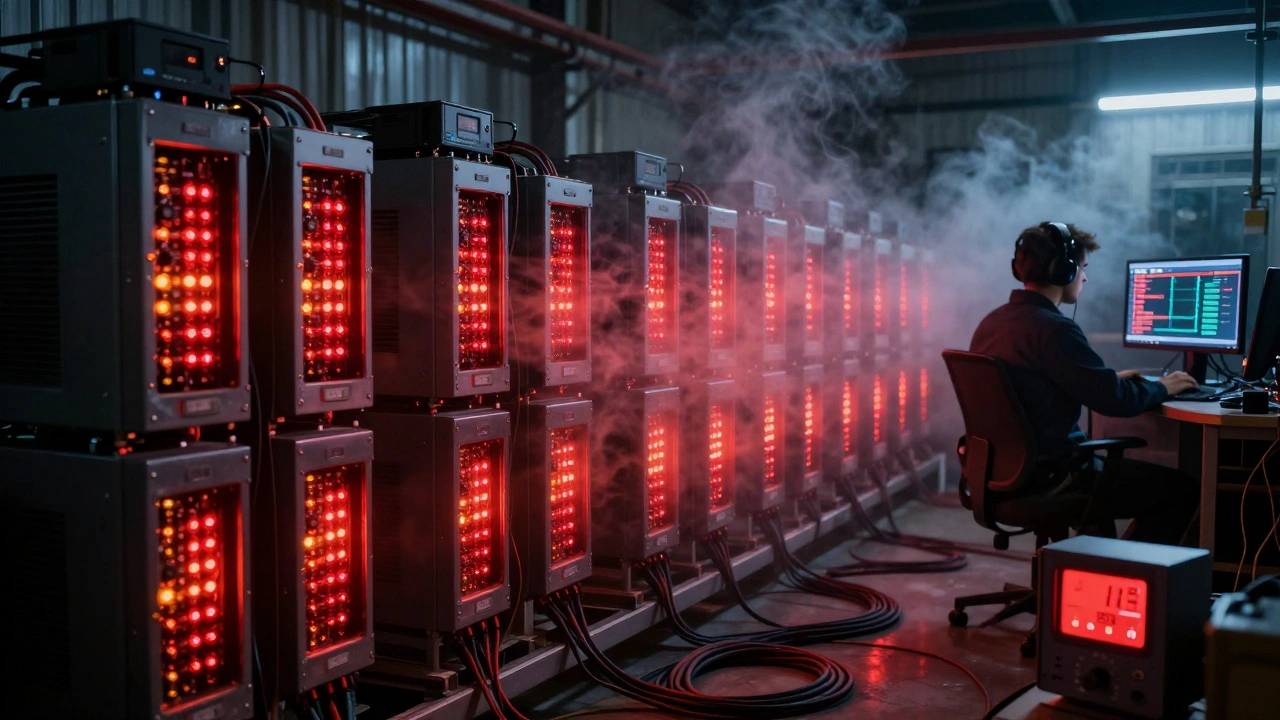
Proof-of-Work and Proof-of-Stake are the two main ways blockchains agree on transactions. PoW uses energy-heavy mining; PoS uses staking. Ethereum's switch to PoS cut energy use by 99.95%. Which is better in 2025?
Learn More