
When you send Bitcoin or Ethereum, someone has to verify that you actually own the coins—no bank, no middleman. That’s where Proof of Stake, a consensus mechanism that selects validators based on how much cryptocurrency they hold and are willing to "stake" as collateral. Also known as PoS, it replaces the energy-heavy mining process used by older blockchains like Bitcoin with a system that rewards users for locking up their coins. Instead of solving complex math puzzles, validators are chosen randomly, but with higher chances if they’ve locked up more coins. If they try to cheat, they lose their staked coins. It’s like putting down a deposit to guarantee you’re telling the truth.
Proof of Stake isn’t just a technical tweak—it’s a fundamental shift. Ethereum 2.0, the major upgrade that moved Ethereum from mining to staking in 2022 cut its energy use by over 99%. That’s why you now see so many posts about staking rewards, validator nodes, and slashing penalties. It’s also why projects like Solana, Cardano, and even new versions of Bitcoin sidechains are adopting it. Validators don’t need expensive ASICs—they just need a reliable internet connection and enough coins to meet the minimum stake. This opens up participation to regular users, not just mining farms.
Related concepts like staking rewards, the cryptocurrency you earn for helping secure the network by locking up your coins and blockchain finality, how quickly a transaction becomes irreversible on a PoS chain are central to how these networks operate. Unlike Bitcoin, where you wait for six confirmations over an hour, PoS chains like Ethereum finalize transactions in seconds. That’s why they’re better for apps needing fast payments, DeFi, and smart contracts.
You’ll find posts here that explain how cryptographic signatures tie into this system, how hardware wallets protect your staked assets, and why cross-chain bridges matter when you’re moving coins between PoS networks. Some articles dig into the economics of staking pools, while others break down how validators are chosen and what happens if they go offline. There’s no fluff—just real explanations of how your coins help keep the network running, and what you get in return.
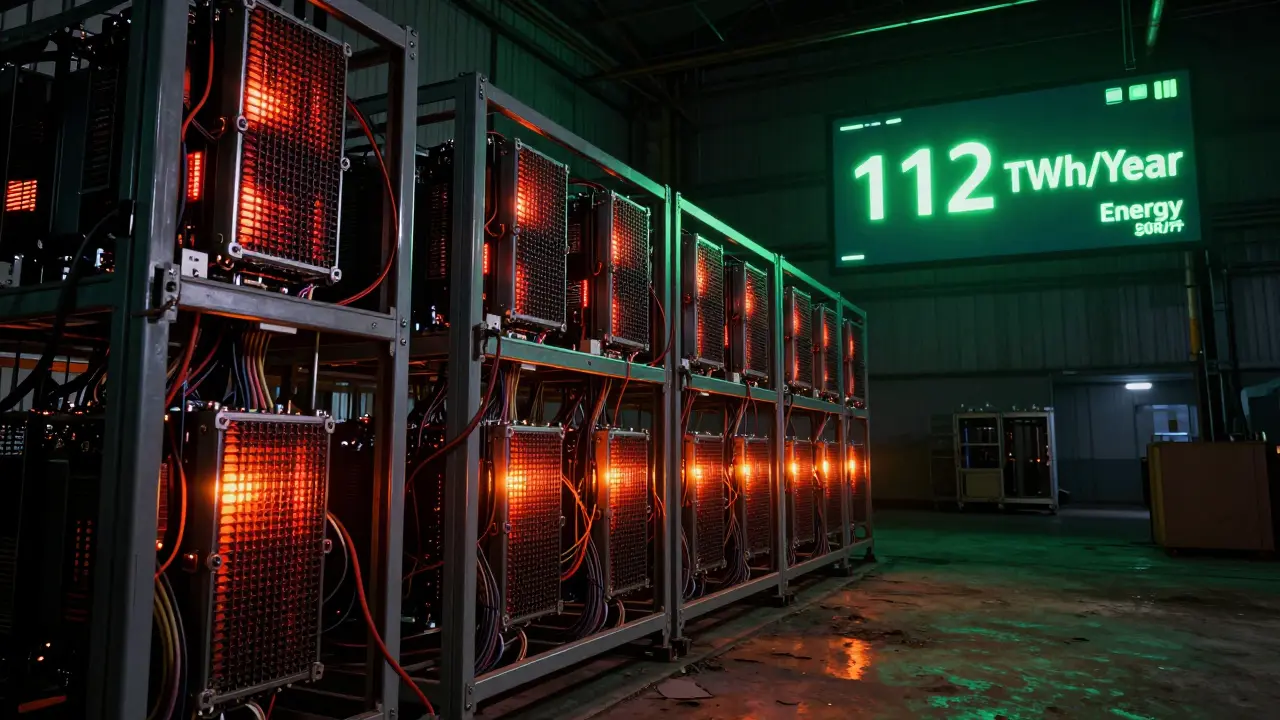
Proof of Work and Proof of Stake are two ways blockchains validate transactions. PoW uses massive energy, while PoS uses almost none. Ethereum's switch cut energy use by 99.95%. Here's what you're really trading-security, decentralization, and the planet.
Learn More
Blockchain consensus mechanisms let distributed networks agree on truth without central control. Learn how Proof of Work, Proof of Stake, and other methods secure decentralized ledgers - and why they matter for security, speed, and sustainability.
Learn More
Proof-of-Work and Proof-of-Stake are the two main ways blockchains agree on transactions. PoW uses energy-heavy mining; PoS uses staking. Ethereum's switch to PoS cut energy use by 99.95%. Which is better in 2025?
Learn More