
When you buy a stock, crypto, or any asset, you’re betting it will go up—but what if it doesn’t? That’s where a stop-loss order, an automated instruction to sell an asset when it hits a set price to limit losses. It’s not a guarantee you’ll escape unscathed, but it’s the closest thing to a safety net in trading. Without one, you’re left watching your account bleed out while you hope for a rebound that never comes. Stop-loss orders take emotion out of the equation. They don’t care if you’re attached to a coin, convinced a stock is "undervalued," or think the market is "due for a bounce." They just execute.
These orders are used by everyone from retail traders to hedge funds. In crypto, where prices can drop 20% in minutes, a stop-loss can mean the difference between a small loss and a total wipeout. In stocks, it keeps you from holding onto a company that’s collapsing under bad earnings or scandal. Even in commodities like oil or gold, where geopolitical noise swings prices daily, stop-losses act as your quiet, disciplined partner. They’re not magic—they don’t predict the future—but they enforce discipline when your instincts are screaming to hold on.
There are different types. A basic stop-loss triggers a market order once the price hits your level. A stop-limit adds a price floor so you don’t get filled at a terrible price during a flash crash. Trailing stops move with the price, locking in gains as your asset rises. Each has trade-offs. A trailing stop might save you during a rally but get triggered by normal volatility. A stop-limit might not fill at all if the market gaps down hard. Choosing the right one depends on your asset, your tolerance for risk, and how fast markets move.
Some traders think stop-losses are for beginners. That’s wrong. Even the most successful investors use them—not because they’re scared, but because they know markets don’t care how smart you are. A single bad trade can erase months of gains. A stop-loss doesn’t prevent losses; it controls them. And in trading, controlling loss is how you survive long enough to win.
Below, you’ll find real-world examples of how stop-loss orders saved traders from disaster, how they interact with other tools like liquidity pools and crypto volatility, and why even space-age tech like drag sails and Starship reentry techniques follow the same principle: plan for failure before it happens.
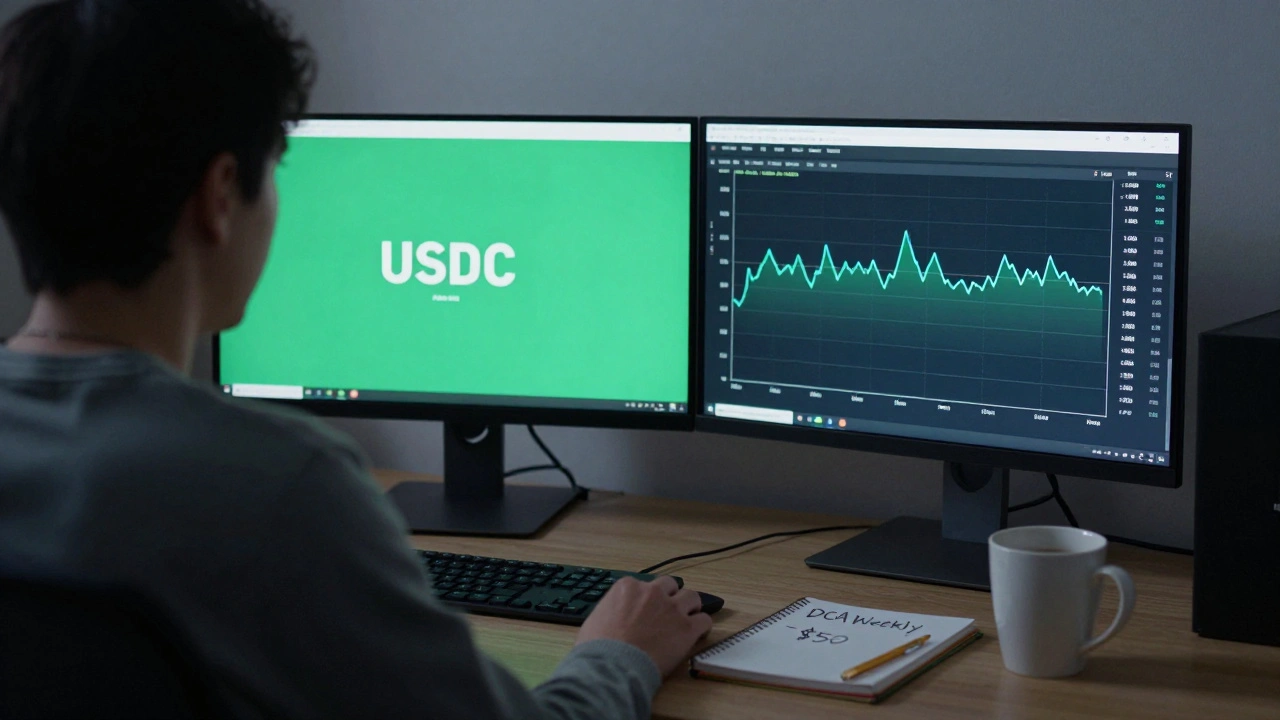
Learn how to protect your crypto investments during bear markets using stablecoins, dollar-cost averaging, and smart stop-losses. Avoid common mistakes and position yourself to thrive when the market rebounds.
Learn More