
When you think of space tourism, you picture civilians floating in zero-G above Earth—but the real question is: space tourism legal status, the current patchwork of national and international rules that define who can fly, who’s liable, and how safety is enforced. It’s not governed by one global law. It’s a mix of old treaties, new agency rules, and legal gray zones that no one fully understands yet. The Outer Space Treaty of 1967 says countries are responsible for what their citizens do in space. That means if a U.S. company like SpaceX sends a tourist up, the U.S. government has to make sure it’s done safely. But the treaty doesn’t say how to license a space ride, what safety standards to follow, or who pays if something goes wrong. That’s left to individual nations—and right now, the U.S. is the only one with a clear system.
FAA space regulations, the rules enforced by the Federal Aviation Administration to oversee commercial launches and reentries are the closest thing we have to a rulebook. The FAA doesn’t regulate passenger safety on spaceflights. Instead, it makes companies get a license, prove they won’t endanger people on the ground, and require tourists to sign a waiver saying they know it’s risky. That’s it. No cockpit checks. No medical screenings. No emergency protocols mandated by law. Meanwhile, other countries like the UAE and Japan are drafting their own rules, but there’s no global standard. international space treaties, binding agreements between nations that govern activities beyond Earth’s atmosphere haven’t been updated since the 1970s. They were written for governments, not billionaires with rockets. The result? A Wild West of space travel where liability, insurance, and jurisdiction are still being figured out.
And it’s not just about who’s flying—it’s about where. If a tourist gets sick in orbit, which country’s medical laws apply? If debris from a tourist rocket hits a satellite, who pays? The commercial spaceflight, private companies offering space travel services to civilians industry is growing fast, but the legal framework is barely holding together. The FAA’s current approach—called "informed consent"—puts all the risk on the passenger. That’s fine for now, but as more people fly and more countries get involved, someone’s going to get hurt. And when that happens, the world will have to decide: do we treat space like the high seas, or do we build real rules?
What follows are real cases, legal analyses, and policy updates that show how this system works—where it breaks, and what’s being done to fix it. You’ll see how companies are navigating the gaps, how countries are trying to catch up, and why the next decade will redefine who owns space—and who gets to visit it.
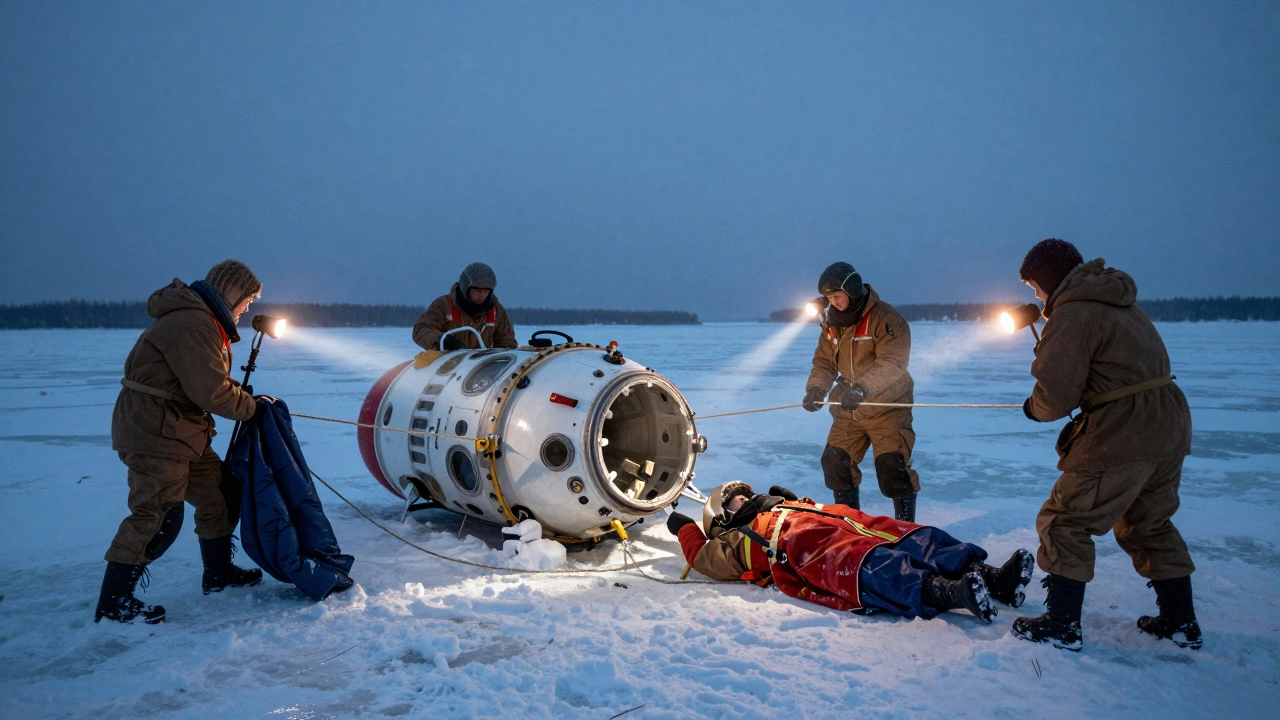
The Rescue Agreement legally obligates nations to save astronauts in distress and return them safely. But with space tourism rising, outdated definitions and unaddressed costs threaten its effectiveness.
Learn More