
When you hear space launch costs, the total price to send a rocket and its payload into orbit. Also known as launch price per kilogram, it’s the metric that determines whether a mission is possible or just a dream. Twenty years ago, launching a kilogram of stuff into space cost over $20,000. Today, thanks to rocket reusability, the ability to land and fly a rocket booster again, that number has fallen below $1,000 for some missions. It’s not magic—it’s engineering. SpaceX’s Falcon 9 doesn’t just fly once. It lands, gets checked, refueled, and flies again. That’s how you cut costs: by turning a one-time rocket into a reusable tool.
But space launch costs aren’t just about the rocket. They include everything: fuel, range fees, insurance, ground crews, and even legal paperwork. The U.S. government uses launch contracts, binding agreements between space companies and federal agencies that define who pays for what if something goes wrong to manage risk. These contracts cap liability at $2.7 billion, which lets private companies like Rocket Lab and Relativity Space operate without going bankrupt before their first launch. Without this system, commercial spaceflight wouldn’t exist. And without commercial spaceflight, private companies building and flying rockets for profit, not just government missions, we wouldn’t see the daily launch cadence we have now.
It’s not just about saving money—it’s about changing what’s possible. When launches cost less, you can send more satellites. You can test new tech faster. You can build space stations, mine asteroids, or even send tourists to the Moon. The drop in launch costs is why companies are now planning mega-constellations of thousands of satellites, why lunar landers are being built by startups, and why NASA can focus on deep space while letting others handle Earth orbit. You don’t need a billion-dollar agency to get to space anymore. You just need a good rocket and the right contract.
Below, you’ll find real breakdowns of how these costs are calculated, what’s changing fastest, and how the rules of spaceflight are being rewritten—not by governments, but by engineers on the ground, in factories, and on launch pads.
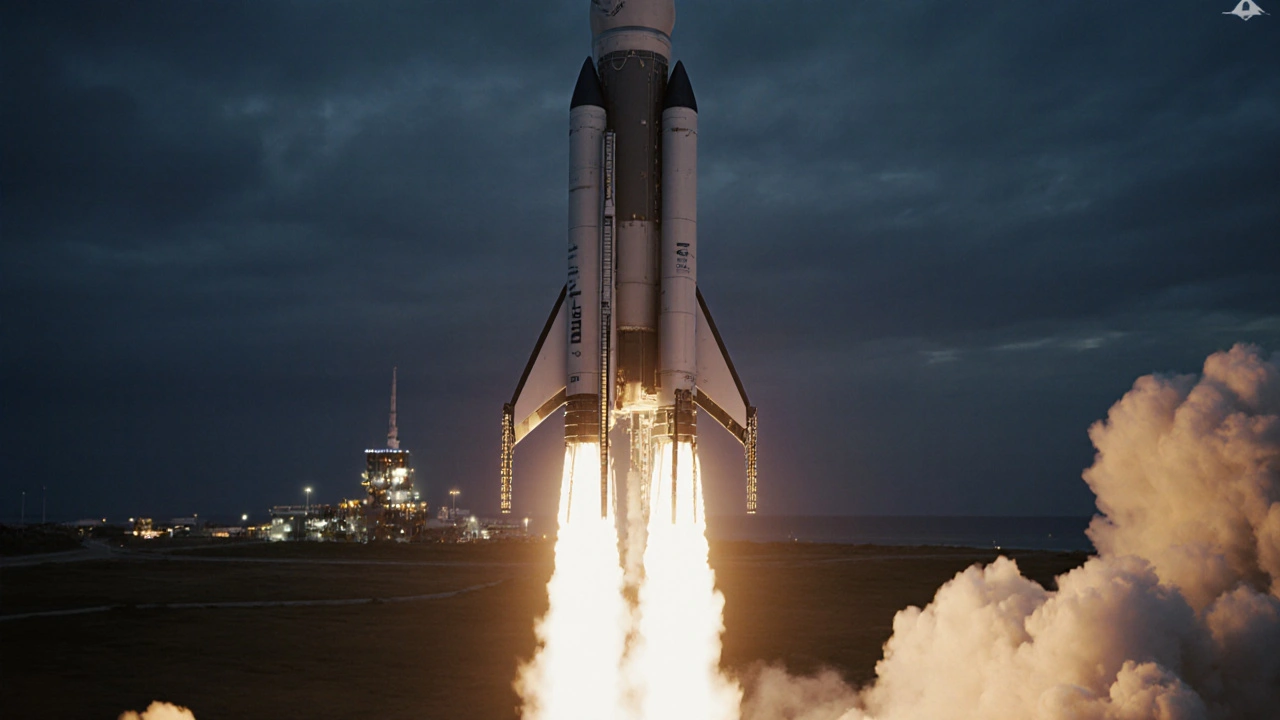
Reusable rockets like SpaceX's Falcon 9 have slashed launch costs and increased flight frequency, turning space access from rare and expensive to routine and affordable. Learn how rapid turnaround is reshaping the future of spaceflight.
Learn More