
When we talk about slippage, the unintended deviation between expected and actual outcomes in dynamic systems. Also known as drift, it's not just a trading glitch—it's a real threat in orbit and on-chain. In crypto, slippage happens when your buy or sell order executes at a worse price than you expected, often during high volatility. In space, it’s when a satellite’s orbit slowly shifts due to atmospheric drag, solar radiation, or uncorrected thruster burns. Both are silent risks: one erodes your portfolio, the other turns a working satellite into space junk.
Slippage in orbit is tied directly to orbital rights, the legal and technical claims nations and companies make on specific paths around Earth. The ITU satellite filings, the global system that assigns frequency bands and orbital slots. If one company files for a slot but doesn’t launch on time, others can take it—but if their satellite drifts even slightly, it can collide with a neighbor. That’s why drag sails and passive deorbit systems are now mandatory: they prevent slippage from becoming a catastrophe. On the blockchain side, transaction finality, the point when a crypto trade can’t be reversed. matters just as much. Without fast finality, slippage can turn a $1,000 trade into a $950 loss—or worse, a failed transfer.
What ties these worlds together? Precision. Whether you’re guiding a Starship through reentry using a belly flop maneuver or executing a crypto trade through a mining pool, small errors compound. A 0.1% orbital drift might seem tiny, but over months, it can force a satellite out of its assigned slot. A 0.5% slippage on a $10,000 trade? That’s $50 gone. The same principles of control, timing, and correction apply in both domains. You don’t just need the right tech—you need systems that anticipate and correct for drift before it’s too late.
Below, you’ll find real-world cases showing how slippage shows up in unexpected places—from satellite deorbit failures to crypto market crashes—and how experts are building fixes into the core of their systems. Whether you’re tracking space law, managing a crypto portfolio, or just curious about how things stay on track in chaotic environments, these stories reveal the hidden rules that keep our digital and physical orbits from colliding.
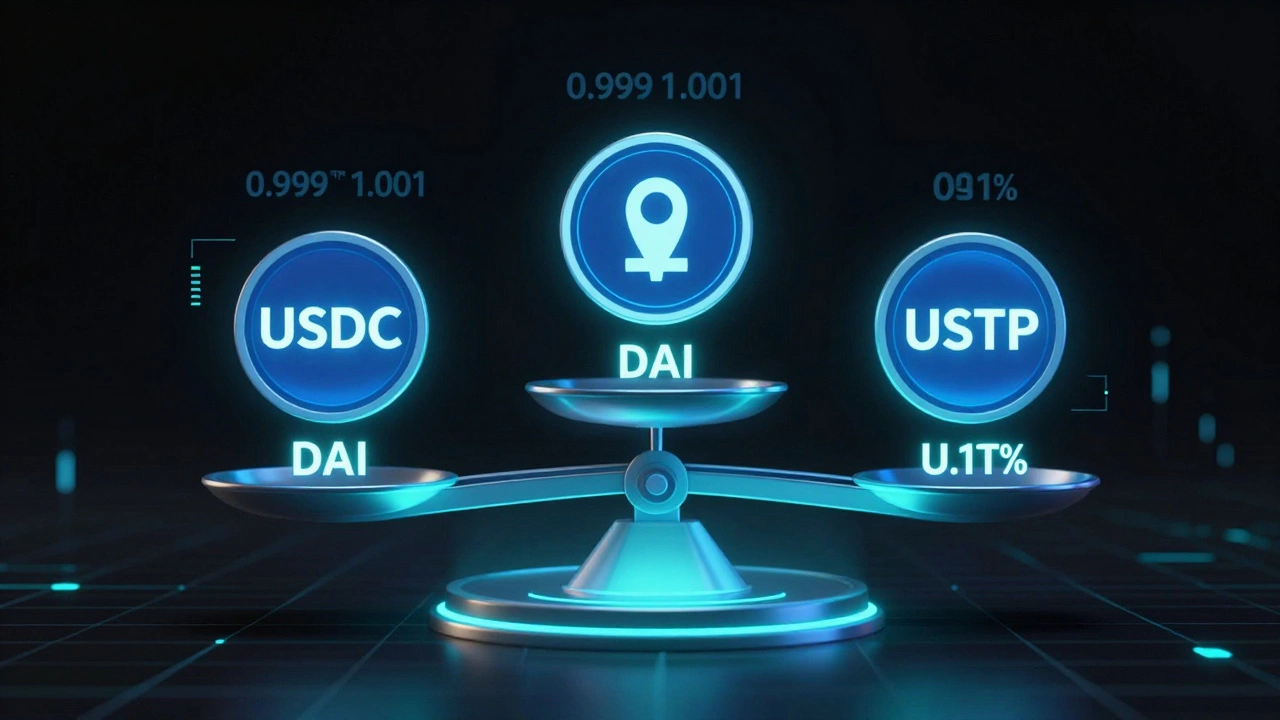
Curve Finance dominates stablecoin trading on DeFi by using smart math to slash slippage. Learn how it works, why it's more efficient than Uniswap, and the hidden risks that could change everything.
Learn More