
When you think of a rocket launch, you probably imagine a giant machine blasting off and disappearing forever—until now. rocket reuse, the practice of landing and flying rocket boosters multiple times instead of throwing them away. Also known as reusable launch vehicles, it’s what turned spaceflight from a one-shot expense into a repeatable service. Before 2015, every rocket stage was lost after launch. Now, SpaceX’s Falcon 9, a two-stage rocket whose first stage returns to Earth after launch has landed over 300 times. That’s not luck—it’s engineering. And it’s why launch costs dropped by 90% in a decade.
How? It’s not magic. It’s materials, control systems, and smart design. reusable rockets, like those built by SpaceX and Rocket Lab, need heat shields that survive reentry, grid fins that steer the booster through the atmosphere, and landing legs that deploy in the final seconds. The Falcon 9 booster, a steel-and-aluminum structure rebuilt after each flight uses advanced alloys and 3D-printed parts that handle extreme stress. NASA didn’t build this—private companies did, because they had to. Reuse isn’t optional anymore; it’s the only way to afford deep space missions.
It’s not just about saving money. It’s about speed. When a booster lands, it’s inspected, refueled, and flown again in weeks—not years. That’s why Starlink deployments now happen monthly. It’s why smaller companies can compete. And it’s why lunar landers and Mars missions are finally within reach. You don’t need a billion-dollar budget to launch today—you need a working rocket that comes back.
Below, you’ll find real breakdowns of how these systems work, what goes wrong during landing, and how materials science keeps them flying. Whether you’re curious about grid fins, engine restarts, or why NASA now relies on commercial boosters, the posts here cut through the hype and show you exactly how rocket reuse is changing everything.
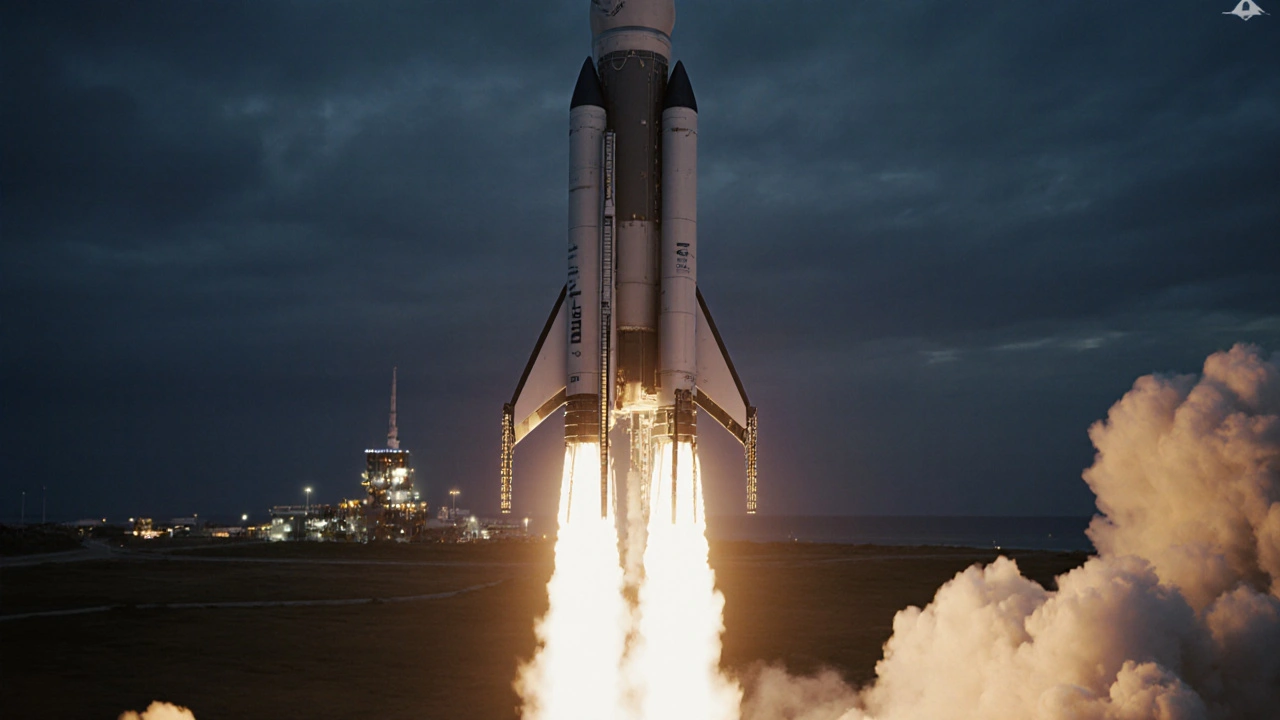
Reusable rockets like SpaceX's Falcon 9 have slashed launch costs and increased flight frequency, turning space access from rare and expensive to routine and affordable. Learn how rapid turnaround is reshaping the future of spaceflight.
Learn More