
When you hear reusable rocket, a launch vehicle designed to return to Earth and fly again. Also known as recoverable launch system, it’s no longer science fiction—it’s the new normal in spaceflight. Before 2015, rockets were one-time use. After launch, they’d fall into the ocean and be lost. Today, companies like SpaceX, a private aerospace manufacturer leading the push for reusable launch systems and Blue Origin, a company focused on low-cost access to space with reusable hardware are landing first stages on droneships and launch pads like they’re returning a truck to the garage. This shift didn’t come from government mandates. It came from engineering grit, real-world testing, and a simple question: Why throw away a $60 million booster after one use?
The magic isn’t just in the landing. It’s in the reusability itself. Each time a booster flies again, the cost per launch drops. SpaceX’s Falcon 9 has flown over 250 times, with some boosters hitting 20 missions. That’s not a gimmick—it’s a business model. And it’s not just about saving money. Reusable rockets mean faster turnaround. Need to launch a satellite next week? With a recovered booster, you might not even need to build a new one. This speed is why NASA now relies on these systems for crewed missions to the ISS and future lunar landings. Even more critical? The tech behind it. methalox engines, rocket engines using liquid methane and oxygen that burn cleaner and are easier to refurbish are now the standard for reusability. They don’t clog with soot like kerosene engines. They’re easier to inspect. They’re built for repeat use. That’s why SpaceX’s Raptor engine and Blue Origin’s BE-4 are the heart of the next generation of rockets.
But reusability isn’t just about engines or landing legs. It’s about changing how we think about space. It’s why private companies can now offer rides to orbit for less than a tenth of what it cost two decades ago. It’s why small satellite operators can afford to launch. It’s why Mars missions are no longer just dreams—they’re logistical plans with launch schedules. The posts below dive into how this works in practice: from the exact mechanics of booster recovery to how reusable systems are shaping the future of in-space refueling and deep space exploration. You’ll find real examples, technical breakdowns, and the quiet revolution happening right now—not in a lab, but on a launchpad in Florida or Texas. This isn’t the future. It’s what’s already flying.
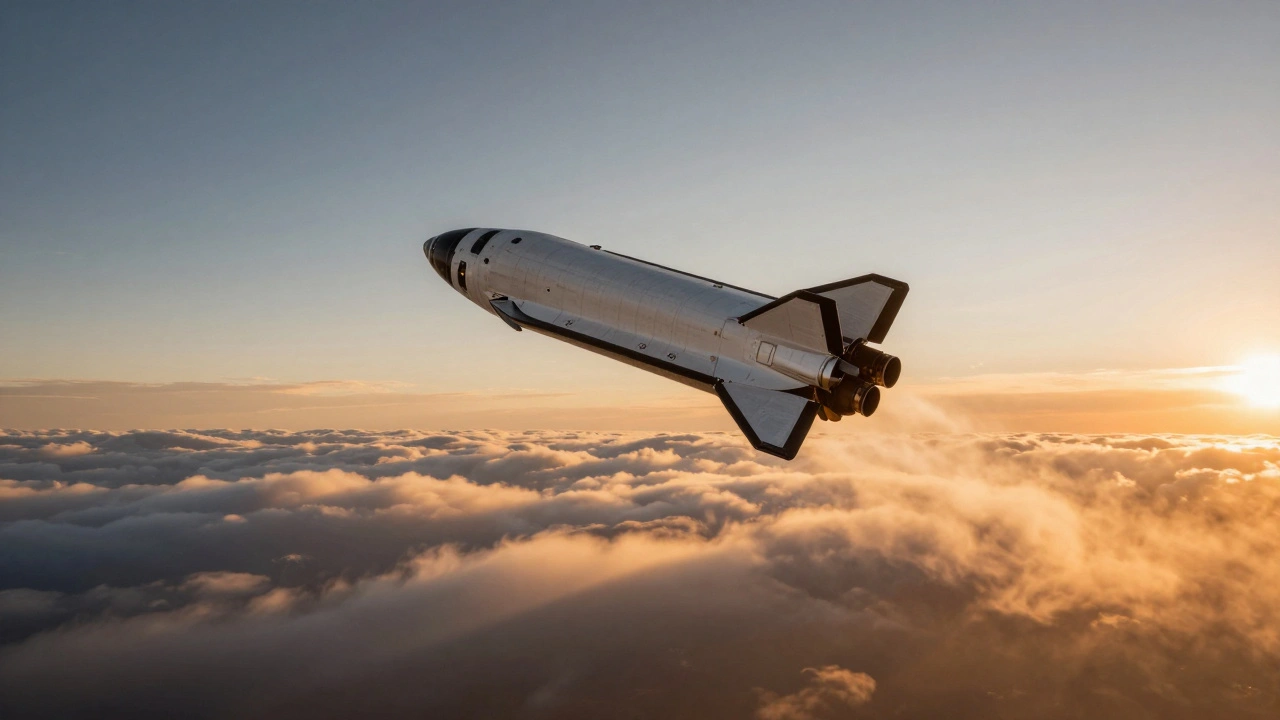
Starship's belly flop maneuver is a revolutionary reentry technique that uses horizontal drag to slow down before flipping upright for landing. It saves fuel, enables Mars missions, and redefines how rockets return from orbit.
Learn More