
When a rocket launches, most of its cost is in the hardware—especially the first stage. Reusable boosters, rocket stages designed to return to Earth after launch and be flown again. Also known as returning first stages, they turn what used to be disposable trash into a reliable, refuelable asset. Before reusable boosters, every launch meant building a new rocket from scratch. Now, companies like SpaceX fly the same booster ten, fifteen, even twenty times. That’s not just efficiency—it’s a total rewrite of how space access works.
How do they pull this off? It’s not magic. It’s precision engineering. Falcon 9 boosters, the workhorse rockets from SpaceX that land vertically after launch. Also known as vertical landing boosters, they use grid fins, cold gas thrusters, and targeted engine burns to guide themselves back to a landing pad or drone ship. The booster landing, the controlled descent and touchdown of a rocket stage after separating from the upper stage. Also known as return-to-launch-site maneuvers, it’s now routine enough that people watch livestreams like it’s a sports final. Each landing cuts the cost of a launch by 30 to 70 percent. That’s why NASA now relies on these boosters for crew missions to the ISS and why private companies are building entire business models around them.
It’s not just SpaceX. Blue Origin’s New Shepard uses reusable boosters for suborbital flights. Rocket Lab’s Electron is testing mid-air recovery with helicopters. Even China and Russia are pushing their own versions. The goal? More launches, faster turnaround, and lower prices. That’s how we get to Mars, lunar bases, and satellite constellations without bankrupting space programs.
What you’ll find below are real stories—how a booster survives reentry, how engineers fix wear after ten flights, why a landing fails, and how the whole system is getting smarter. No theory. No fluff. Just the facts from the field.
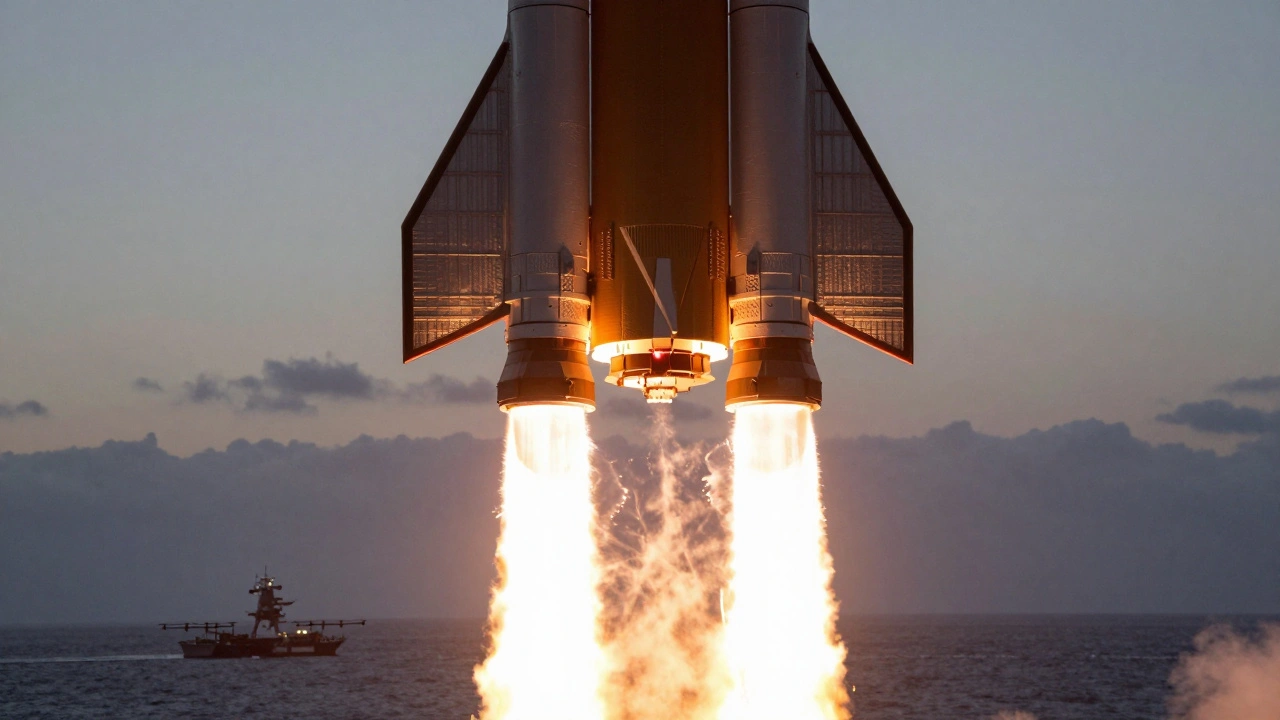
Grid fins are the key to precision rocket landings, enabling reusable boosters to steer through extreme reentry conditions. SpaceX's titanium grid fins have slashed launch costs and made drone ship landings routine.
Learn More