
When an astronaut is stranded in orbit, stranded on the Moon, or drifting in deep space, the Rescue Agreement, a binding international treaty that requires all nations to assist astronauts in distress and return them safely. Also known as the Agreement on the Rescue of Astronauts, the Return of Astronauts and the Return of Objects Launched into Outer Space, it’s one of the most human-centered rules in space law. This isn’t just paperwork—it’s a promise. If a Russian cosmonaut crashes in the Amazon, U.S. teams will fly in. If a Japanese astronaut’s capsule lands in the Sahara, Australia will help. No borders, no politics, just the obligation to save a life.
The Rescue Agreement, a binding international treaty that requires all nations to assist astronauts in distress and return them safely. Also known as the Agreement on the Rescue of Astronauts, the Return of Astronauts and the Return of Objects Launched into Outer Space, it’s one of the most human-centered rules in space law. The Outer Space Treaty, the foundational 1967 agreement that declares space the province of all humankind and bans national ownership of celestial bodies laid the groundwork, but the Rescue Agreement made it real. It doesn’t just say "help astronauts"—it forces countries to act. That means search teams, medical support, and even military assets can be deployed, no questions asked. It also covers space debris: if a satellite or rocket part crashes in your backyard, you’re legally required to return it to the launching country. This part matters more now than ever, as private companies launch more rockets than ever before.
The International Space Station, a multinational lab orbiting Earth where astronauts from 15 nations live and work together depends on this agreement every day. Russian, American, European, and Japanese astronauts train together, share life support systems, and rely on each other’s emergency protocols. If something goes wrong on the ISS, the Rescue Agreement ensures every partner has a legal duty to respond—even if their own country isn’t directly involved. That’s why astronauts learn basic Russian, why ground teams coordinate across time zones, and why every mission plan includes a rescue checklist. It’s not about loyalty to a flag—it’s about loyalty to a person.
There’s no law in space that’s been tested more often—or more quietly—than the Rescue Agreement. It doesn’t make headlines like a Mars landing, but it’s the reason no astronaut has ever been left behind. From the Apollo 13 rescue mission to the recent Soyuz capsule emergency in Kazakhstan, this treaty has worked every single time. And as more nations and companies send people into orbit, its role will only grow. The next rescue might not be from NASA or Roscosmos—it could be from India, the UAE, or a private company. The Rescue Agreement makes sure they all answer the call.
Below, you’ll find real stories and technical breakdowns of how space missions prepare for emergencies, how international teams coordinate rescues, and what happens when things go wrong in orbit. These aren’t hypotheticals—they’re lessons learned from actual missions, and they all tie back to one simple rule: no one gets left behind.
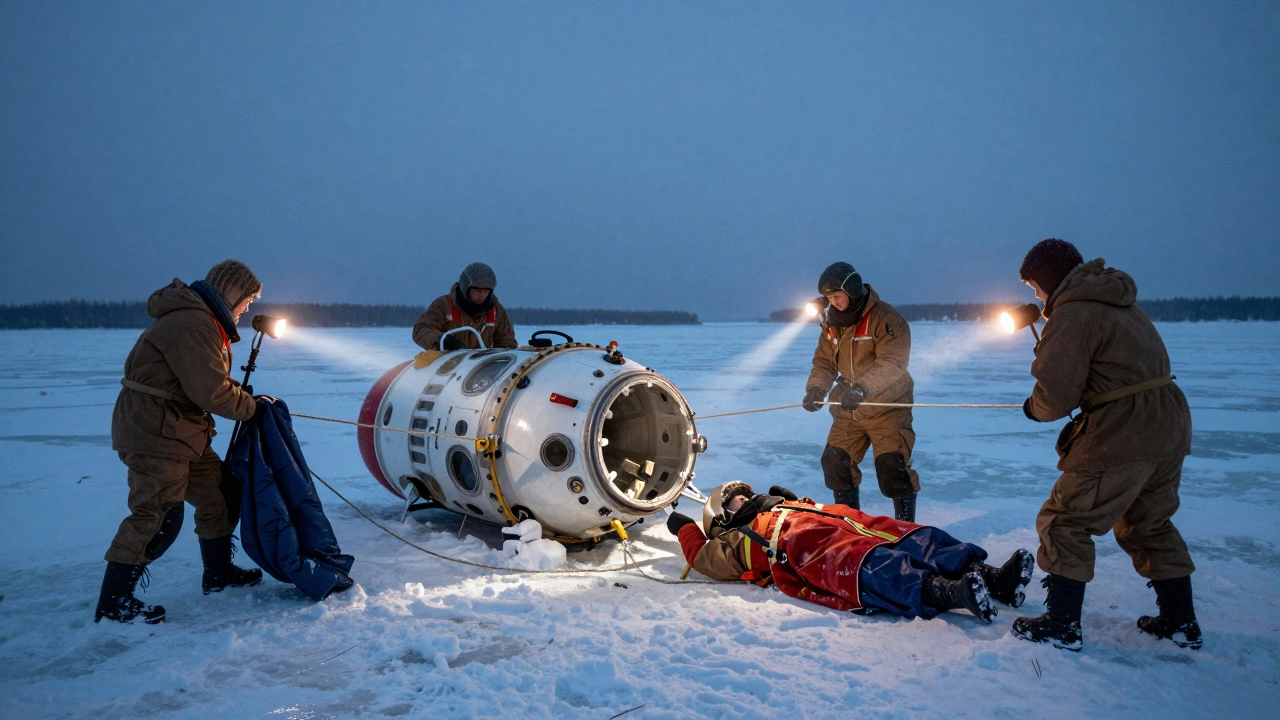
The Rescue Agreement legally obligates nations to save astronauts in distress and return them safely. But with space tourism rising, outdated definitions and unaddressed costs threaten its effectiveness.
Learn More