
Raptor engine, a full-flow staged combustion rocket engine developed by SpaceX, is the most powerful liquid-fueled engine ever flown. Also known as the Raptor 2 in its latest form, it runs on liquid methane and liquid oxygen—unlike most rockets that use kerosene. This design isn’t just about efficiency; it’s about reusability, cost, and the long-term goal of living on Mars. Every Raptor engine generates over 230,000 pounds of thrust, and Starship uses 33 of them on its first stage alone. That’s more engines than any other rocket in history, all working together to lift a vehicle bigger than the Saturn V.
The real breakthrough isn’t just the thrust—it’s how the engine is built. Traditional rocket engines burn fuel in one chamber, but the Raptor engine burns it in two, completely separating the fuel and oxidizer streams before combustion. This full-flow staged combustion, a rare and complex engine cycle that maximizes efficiency and reduces wear means less stress on parts, longer life, and more flights between overhauls. That’s why SpaceX can reuse Starship boosters so often. It’s not magic—it’s engineering that turns rocket engines from disposable parts into serviceable machines.
And it’s not just about the engine itself. The Raptor engine is tied to a whole new way of thinking about space travel. It’s designed to be made in large numbers, quickly, and cheaply. SpaceX builds them in-house, using 3D printing and automated welding to cut costs and speed up production. The fuel—methane—is easier to store than hydrogen, and it can be made on Mars using local resources. That’s why NASA and other agencies are watching closely: if you can refuel on Mars, you don’t need to carry all the fuel from Earth. The Starship, the spacecraft powered by the Raptor engine, is designed to carry 100 people and cargo to Mars and return. That’s the end goal: not just visiting, but staying.
What you’ll find in these posts isn’t just technical specs or launch footage. It’s the story of how a single engine—built by a team in Hawthorne, California—is rewriting the rules of spaceflight. You’ll see how Raptor compares to other engines, how it handles extreme heat and pressure, and why methane is the fuel of the future. You’ll learn how testing these engines on the ground helps predict performance in space, and why failure is part of the design process. This isn’t about one rocket. It’s about the system that makes rockets reusable, affordable, and ready for the next century of exploration.
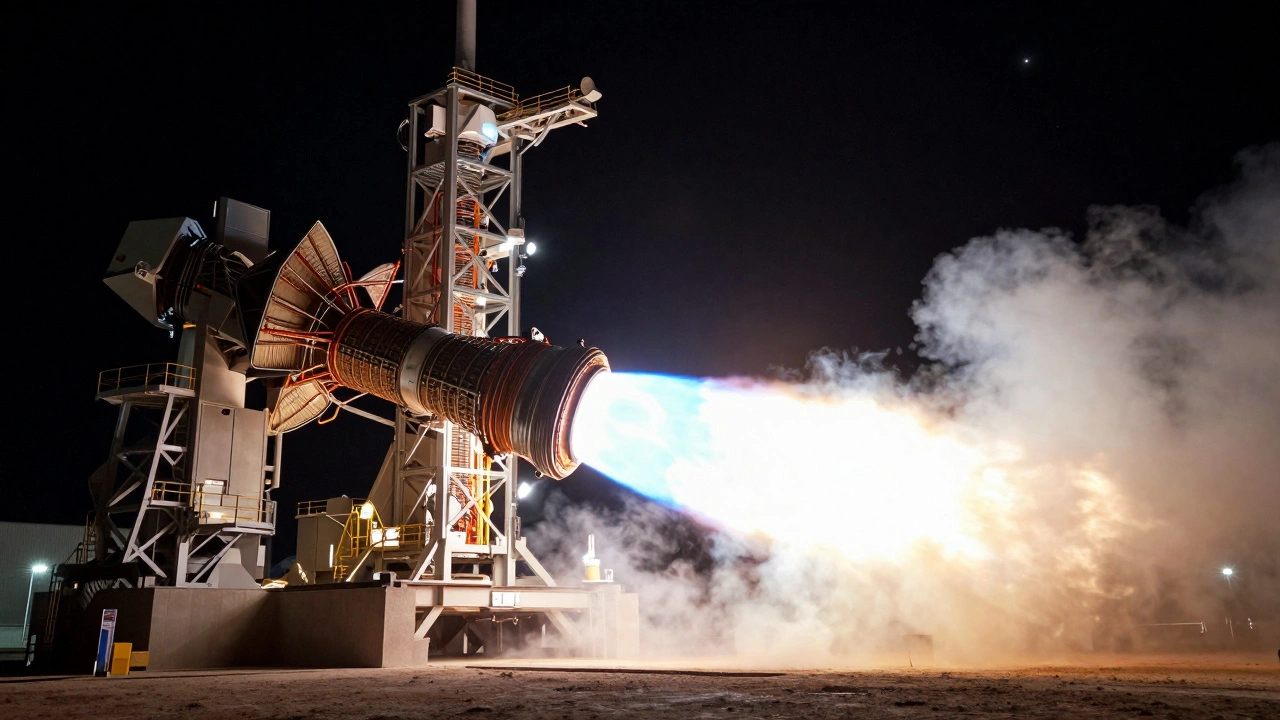
Methalox engines using liquid methane and oxygen are replacing kerosene in modern rockets due to cleaner burns, lower costs, and unmatched reusability - making them essential for Mars missions and affordable spaceflight.
Learn More