
When a rocket returns from space, precision landings are what separate science fiction from reality. precision landings, the controlled return and touchdown of reusable rockets after launch. Also known as vertical landing, it’s the backbone of modern spaceflight—turning single-use boosters into reusable assets that slash mission costs. This isn’t just about saving money. It’s about making space accessible. Without it, missions to the Moon or Mars would be too expensive to repeat.
How do you land a 150-foot rocket standing straight up after it’s blasted into orbit? It takes more than luck. You need Starship belly flop, a revolutionary maneuver where the rocket flips sideways mid-air to use atmospheric drag for braking. This technique, pioneered by SpaceX, lets the vehicle slow down without burning extra fuel before flipping upright for the final touchdown. It’s not the only method. Older rockets like Falcon 9 use grid fins and thrusters to steer, but the belly flop is a game-changer for heavier vehicles heading to Mars. These maneuvers rely on real-time sensors, AI-driven guidance, and engines that can throttle down to near-zero—something only a few companies have mastered.
And it’s not just about the landing itself. reusable rocket, a spacecraft designed to return intact and fly again without major rebuilds. Also known as recoverable launch vehicle, it’s the reason companies like SpaceX can launch multiple times a month. Every successful precision landing means fewer parts thrown into the ocean, less waste, and faster turnaround. NASA’s Artemis program is betting on this tech to bring astronauts home safely. Even China and Blue Origin are racing to match these capabilities.
What you’ll find in these articles isn’t just theory. It’s real data from actual missions. You’ll see how drag sails help satellites deorbit cleanly, how cryptographic signatures secure transactions, and how international agreements govern astronaut rescue—all tied to the bigger picture of safe, repeatable space operations. These aren’t random posts. They’re pieces of a single puzzle: how we’re building a future where spaceflight isn’t rare, but routine. And it all starts with a rocket hitting the ground exactly where it’s supposed to.
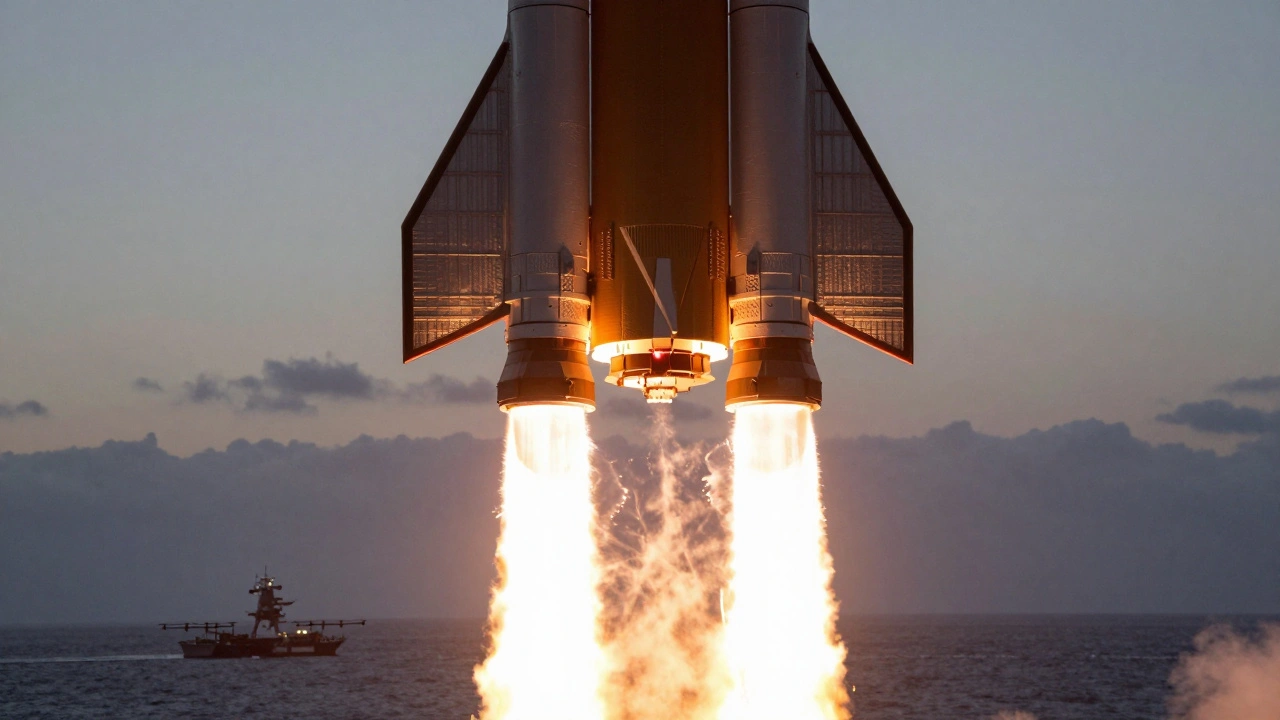
Grid fins are the key to precision rocket landings, enabling reusable boosters to steer through extreme reentry conditions. SpaceX's titanium grid fins have slashed launch costs and made drone ship landings routine.
Learn More