
When astronauts step outside the International Space Station, they don’t just float into space—they carry a full toolkit designed for zero gravity, extreme temperatures, and the silence of a vacuum. These are NASA EVA tools, specialized equipment used during extravehicular activities to perform repairs, install hardware, and conduct science outside spacecraft. Also known as spacewalk tools, they’re built to work with bulky gloves, under pressure suits, and without the help of gravity. Every bolt tightened, every cable routed, every sensor swapped happens with tools made for a world where nothing falls and everything floats away if you let go.
It’s not just about having the right wrench. Extravehicular activity, the technical term for any work done by astronauts outside a spacecraft. Also known as EVA, it requires tools that won’t drift, won’t fail, and won’t get lost. Think of a torque wrench that locks in place so it doesn’t spin off into orbit, or a tethered screwdriver with magnetic tips to hold fasteners. Even something as simple as a hammer has to be redesigned—no air means no sound, so vibrations and tactile feedback become critical. NASA engineers test these tools in giant water tanks that mimic weightlessness, then send them up to the ISS for real-world trials. The ISS tools, the actual hardware astronauts use daily on the station’s exterior. Also known as space station maintenance gear, they’re built to last years in radiation and temperature swings from -150°C to 120°C.
These tools aren’t just for fixing broken parts. They’re how astronauts install new solar arrays, replace aging batteries, and even help attach future lunar landers. The same tethers and foot restraints used on the ISS are being adapted for Artemis missions to the Moon. What you see in videos—astronauts floating, reaching for tools, snapping them into place—is the result of decades of trial, error, and brutal testing. One wrong move, one loose bolt, and you lose more than equipment—you risk lives.
What you’ll find in the articles below are real stories from the field: how astronauts learned to use these tools under pressure, what broke during a spacewalk and how it was fixed, and why some tools are still in use after 30 years. You’ll also see how new designs are making spacewalks faster, safer, and more efficient. Whether it’s a new grip for a wrench or a camera mounted on a tool to help ground teams guide repairs, every upgrade matters. This isn’t science fiction—it’s the everyday reality of keeping humanity’s outpost in space alive.
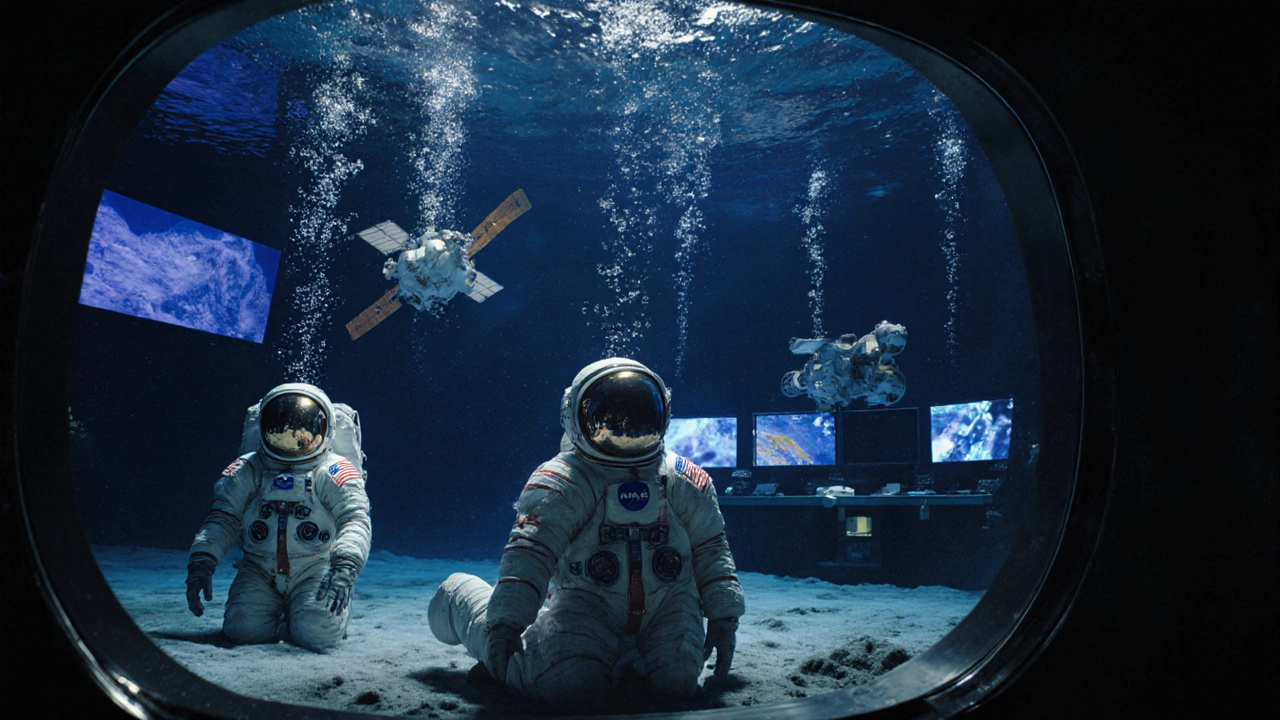
EVA maintenance planning ensures astronaut safety during spacewalks by combining advanced tools, strict protocols, and exhaustive simulations. Learn how NASA plans every spacewalk to handle extreme risks in orbit and beyond.
Learn More