
When we talk about launch frequency, the number of rocket launches occurring over a set period, usually measured per year or month. It's no longer just about NASA or government missions—it's about how many times a rocket leaves the pad, and who’s making it happen. In 2024, over 200 orbital launches happened worldwide, more than double the number from just five years ago. That surge isn’t random. It’s driven by one thing: reusability, the ability of rockets to return to Earth and fly again, cutting costs and speeding up turnaround. rocket reusability turned SpaceX’s Falcon 9 into a workhorse, flying over 20 times per booster. That’s not a fluke—it’s the new standard.
Before reusability, every launch meant a new rocket. Now, companies like SpaceX, Rocket Lab, and even Blue Origin are re-flying boosters like they’re taxi cabs. That’s why commercial space, private companies building, launching, and operating spacecraft for profit. private spaceflight, now accounts for more than half of all launches. These firms aren’t just launching satellites—they’re building constellations. Starlink alone needs dozens of launches a year just to keep its network alive. And it’s not just internet satellites. Earth observation, science probes, and even lunar cargo missions are adding to the pile. All of this pushes launch frequency, the number of rocket launches occurring over a set period, usually measured per year or month. It’s the heartbeat of modern space operations. But here’s the catch: you can’t just fire off rockets anytime you want. You need launch contracts, legal agreements that define who pays, who’s liable, and how risks are shared between space companies and governments. space launch agreements—especially under U.S. law—are what make this possible. The government caps liability at $2.7 billion, letting companies like Rocket Lab and Relativity Space operate without going bankrupt after one bad launch. Without these contracts, the whole system would stall.
So what does this mean for you? Whether you’re tracking Starlink deployments, wondering why SpaceX launches every few weeks, or just curious how we’re getting to the Moon so fast—launch frequency is the key. The numbers tell a story: cheaper rockets, more demand, smarter rules. And it’s not slowing down. Below, you’ll find deep dives into the tech, the laws, and the companies making it all happen—from how boosters land safely to how insurance works when things go wrong. This isn’t just about counting rockets. It’s about understanding the engine behind today’s space revolution.
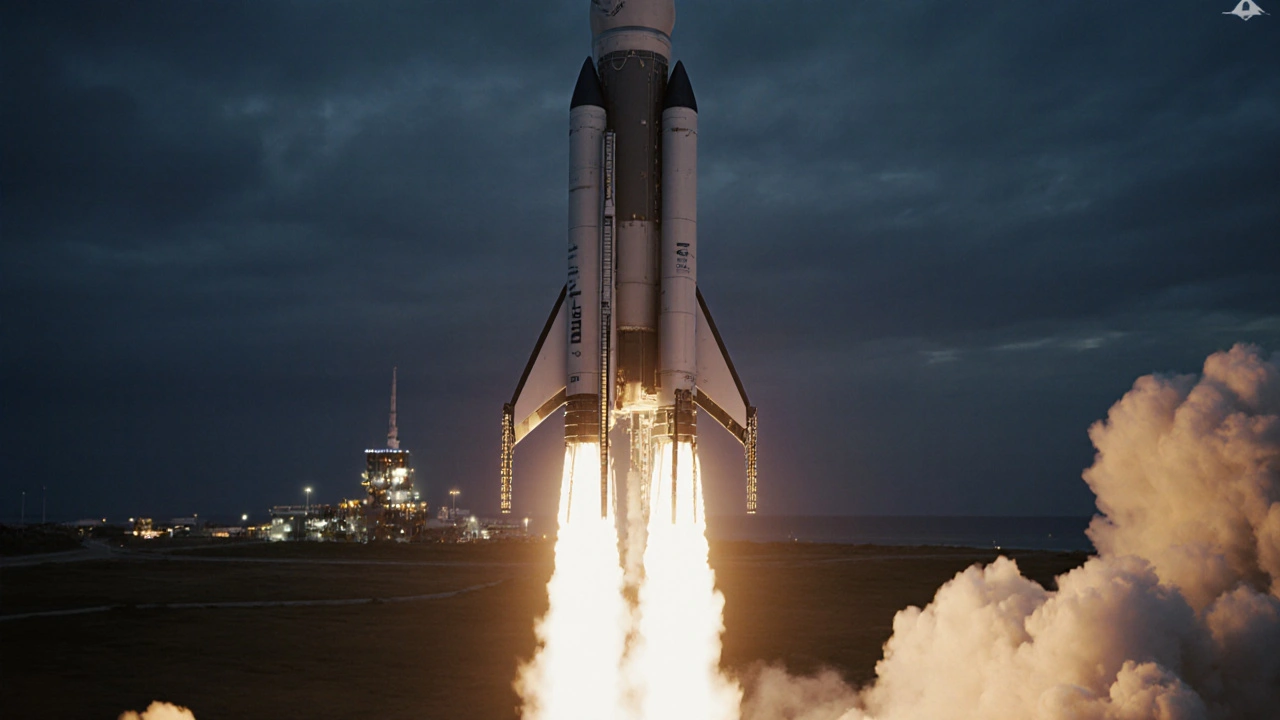
Reusable rockets like SpaceX's Falcon 9 have slashed launch costs and increased flight frequency, turning space access from rare and expensive to routine and affordable. Learn how rapid turnaround is reshaping the future of spaceflight.
Learn More