
When a country or company launches a satellite, it doesn’t just need rockets and antennas—it needs to file paperwork with the ITU satellite filings, official submissions to the International Telecommunication Union that register a satellite’s frequency use and orbital position. Also known as satellite registration, these filings are the legal backbone of space operations, ensuring one satellite doesn’t drown out another’s signal—or crash into its path. Think of it like license plates for space: no filing, no legal right to operate.
Without ITU satellite filings, official submissions to the International Telecommunication Union that register a satellite’s frequency use and orbital position, satellites risk causing interference with weather satellites, GPS systems, or even emergency radio bands. The International Telecommunication Union, a United Nations agency that coordinates global use of the radio-frequency spectrum and satellite orbits doesn’t enforce rules with police, but it does have teeth: if you don’t file, other nations can legally block your signals. And if you file late or inaccurately, you might lose your slot to someone who did it right. This isn’t bureaucracy—it’s survival in crowded space.
Most filings come from big players like NASA, ESA, or SpaceX, but now even small startups and universities are filing. That’s why space spectrum allocation, the process of assigning specific radio frequencies to satellites to prevent signal clashes is getting tighter. Low Earth Orbit is packed. The orbital debris, defunct satellites and fragments that threaten active spacecraft problem isn’t just about junk—it’s about who gets to use the space before it’s full. The filings track who’s where, and when they’re supposed to deorbit. If a satellite doesn’t file a deorbit plan, it’s a ticking time bomb for everyone else.
There’s no magic formula to get your filing approved. It’s a mix of technical specs, timing, and diplomacy. The ITU doesn’t approve or deny filings—it just records them and waits to see if anyone objects. If a U.S. company files for a frequency already claimed by a Russian satellite, the ITU triggers a negotiation window. This is where things get messy. Some filings are strategic: companies file early just to lock down a slot, even if they don’t launch for years. Others are rushed, leading to errors that cause delays or rejections.
What you’ll find in the posts below are real-world examples of how satellite filings shape missions—from drag sails that help satellites leave orbit cleanly, to how NASA and private companies coordinate with global regulators to avoid conflicts. You’ll see how ITU satellite filings aren’t just paperwork—they’re the invisible rules that keep space from turning into chaos. Whether you’re tracking a new launch, worried about space junk, or just curious how satellites don’t crash into each other, these stories show the quiet system that makes modern spaceflight possible.
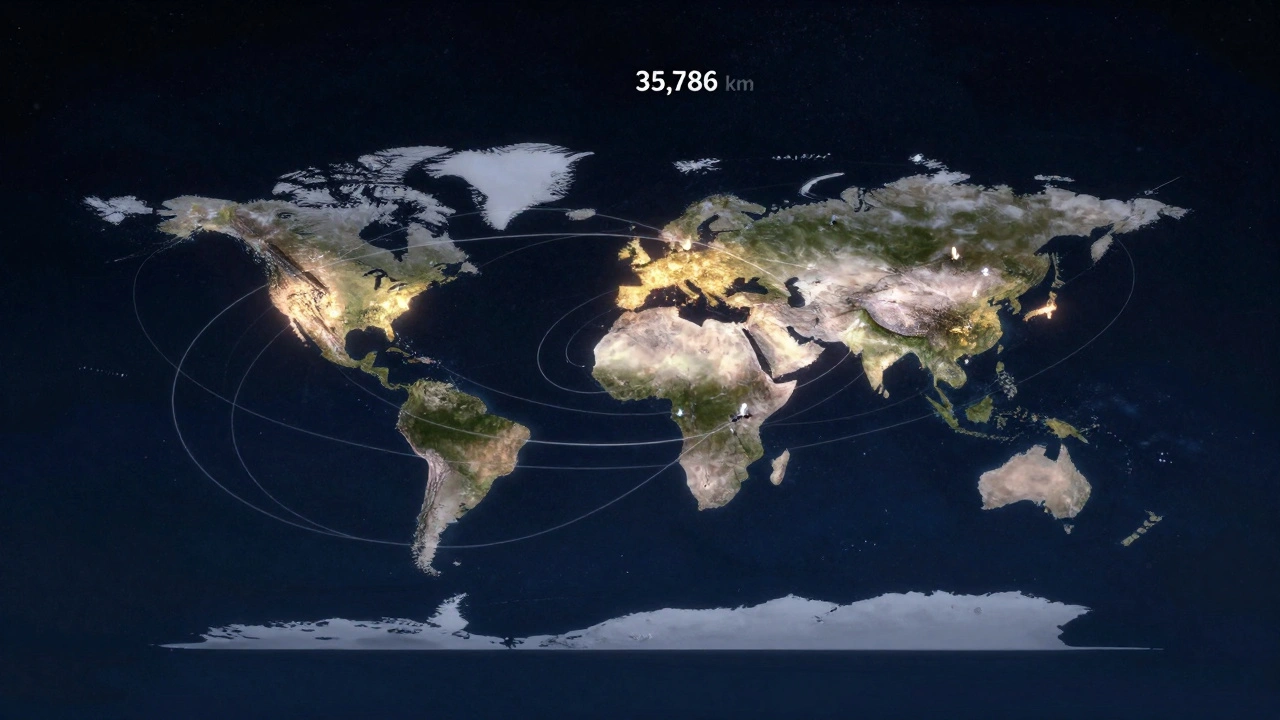
The ITU manages global satellite spectrum and orbital rights through a complex filing system. Learn how countries and companies claim space, why paper satellites are a problem, and what’s changing in 2025 to make space fairer.
Learn More