
When you scan a barcode at the store, you’re reading a GTIN, a globally unique identifier for products that ensures every item—from a soda can to a satellite component—can be tracked anywhere in the world. Also known as the Global Trade Item Number, it’s the backbone of modern supply chains, letting companies know exactly where a product is, when it was made, and who shipped it. Without GTIN, inventory systems would collapse. Retailers couldn’t restock. Warehouses couldn’t sort. Even space missions rely on it: NASA tracks every screw, battery, and tool on the ISS using GTIN codes to avoid shortages during long-duration flights.
GTIN isn’t just a barcode. It’s a family of standards that includes UPC, EAN, and ISBN numbers—all built on the same core system. A GTIN can be 8, 12, 13, or 14 digits long, depending on the product and region. The number is structured so machines and software can decode it instantly: the first few digits identify the manufacturer, the middle part pinpoints the exact item, and the last digit is a checksum that catches errors before they cause chaos. This is why your coffee maker from Japan and your drone from Texas both use the same GTIN format. It’s the universal language of physical goods.
Companies that skip proper GTIN assignment run into serious problems. Amazon rejects listings without valid GTINs. Customs delays shipments without clear product IDs. Even space debris tracking uses similar principles—just like GTIN identifies a product, orbital databases identify a satellite by its unique code. In fact, the same organizations that manage GTINs, like GS1, also work with the ITU to coordinate global identifiers for both Earth-bound and space-bound assets. That’s why you’ll find GTINs in posts about satellite logistics, cross-border payments, and even blockchain-based supply chains. It’s not just a barcode. It’s the invisible thread tying together global trade, space operations, and digital commerce.
What you’ll find below are real-world examples of how GTIN and related tracking systems are used across industries—from crypto mining hardware shipments to ISS life support parts. These aren’t theoretical guides. They’re stories from the field: how a missing GTIN delayed a rocket launch, how a startup used GTIN to cut warehouse errors by 70%, and why every hardware wallet manufacturer now embeds GTINs into their packaging. This isn’t about scanning barcodes. It’s about understanding the system that keeps the modern world from falling apart.
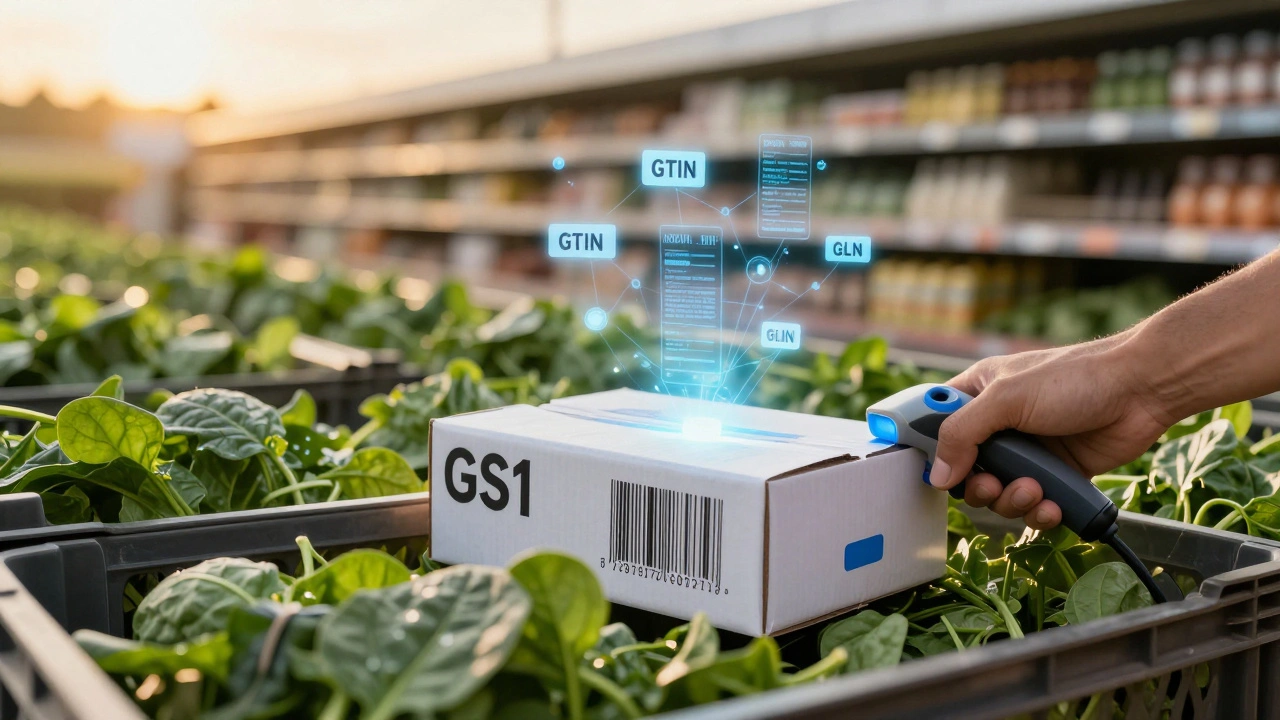
GS1 standards and blockchain work together to create trusted, real-time supply chain traceability. Learn how GTIN, GLN, and EPCIS enable compliance, reduce recalls, and meet global regulations by 2026.
Learn More