
When you use navigation on your phone, you’re relying on GPS, a global satellite-based system that tells you where you are using signals from orbiting satellites. Also known as Global Positioning System, it’s built for everyday use—driving, hiking, ride-sharing. But there’s another version, just as real but hidden: military GPS, a secure, encrypted version of the same system used by armed forces for precision targeting, troop movement, and drone operations. The two aren’t just different in who uses them—they’re built differently, with one designed for accuracy under pressure and the other for convenience in daily life.
Here’s the catch: regular GPS can be off by a few meters. That’s fine for finding a coffee shop, but not for guiding a missile or landing a drone on a moving ship. Military GPS uses encrypted signals called P(Y)-code that civilian devices can’t access. It’s more resistant to jamming, spoofing, and interference. That’s why systems like Differential GPS, a technique that uses ground-based reference stations to correct satellite signal errors were developed—to bring civilian GPS closer to military-grade accuracy. DGPS can cut errors down to under a meter, making it essential for surveying, agriculture, and even autonomous vehicles. But even DGPS can’t match the raw security and reliability of the military’s encrypted signal. It’s not just about precision—it’s about control. The U.S. government can degrade civilian GPS during conflicts, but military users always have priority access.
That’s why you’ll see military GPS referenced in posts about precision positioning, satellite control, and space-based navigation systems. You’ll find deep dives into how GPS augmentation, methods like WAAS or ground stations that improve GPS accuracy bridge the gap for civilian users. And you’ll see how these same technologies power formation flying satellites, lunar landing systems, and even the navigation tools used in spacewalks. The line between civilian and military GPS isn’t just technical—it’s strategic. What you think of as a simple map app is built on a system designed for war, repurposed for peace. And as private companies launch more satellites and governments race to secure space-based infrastructure, that line is getting blurrier.
Below, you’ll find real-world breakdowns of how GPS works under the hood, how it’s being improved, and why the military version still holds the edge—whether you’re tracking a satellite, landing on the Moon, or just trying to find your way home.
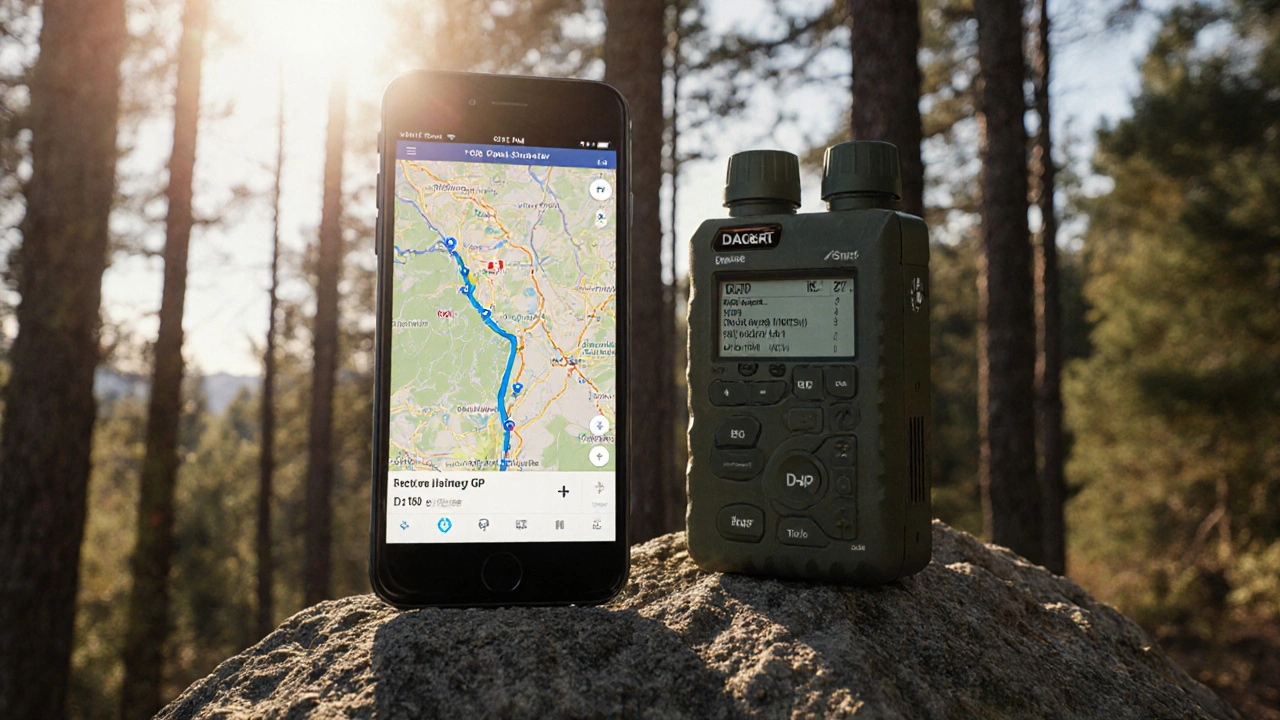
Civilian GPS is no longer less accurate than military GPS - modern devices using dual-frequency signals match military precision. The real difference lies in anti-jamming, security, and access - not raw accuracy.
Learn More