
When astronauts step outside their spacecraft for an extravehicular activity, a spacewalk performed outside a spacecraft in the vacuum of space. Also known as EVA, it's one of the most dangerous tasks in spaceflight. One tear in a suit, one failed communication, one miscalculated movement—and the mission, or the life, can be lost. EVA safety isn’t just a checklist. It’s a system built on decades of trial, error, and survival.
Every EVA depends on three things: the suit, the plan, and the team. The spacesuit, a wearable spacecraft that maintains pressure, temperature, and oxygen for astronauts in vacuum conditions is the first line of defense. NASA’s EMU and Russia’s Orlan suits are engineered to handle extreme cold, radiation, and micrometeoroid impacts. But even the best suit won’t help if the astronaut doesn’t know how to move in microgravity. That’s why training happens in giant pools, simulating weightlessness for hours on end. Astronauts practice every task—tool handling, cable routing, emergency repairs—until it’s muscle memory.
Communication is another make-or-break factor. During a spacewalk, astronauts rely on radio links to the crew inside and mission control on Earth. If the signal drops, they’re alone. That’s why backup comms, hand signals, and pre-agreed emergency protocols are drilled into every mission. The ISS communication systems, the global network of ground stations and satellites that keep astronauts connected during spacewalks and daily operations aren’t just for chatting—they’re lifelines. A single lost transmission during a critical repair could mean the difference between fixing a leak or losing air pressure.
It’s not just about hardware. EVA safety is also about human factors. Fatigue, stress, and even the wrong glove fit can cause mistakes. NASA tracks every EVA’s duration, physical strain, and environmental exposure. After every mission, teams review what worked, what didn’t, and how to improve. The goal isn’t perfection—it’s resilience. Because space doesn’t forgive errors.
You’ll find posts here that dig into the real-world details: how water recycling systems keep suits dry, how Russian language training helps astronauts respond to emergencies in Soyuz systems, and how sensors monitor structural stress on the ISS during spacewalks. These aren’t side notes—they’re part of the same safety chain. One small failure anywhere can ripple out. That’s why EVA safety is never just about the suit. It’s about the whole system: the people, the tech, the training, and the relentless focus on getting everyone home.
Below, you’ll find real stories, technical breakdowns, and lessons learned from missions that pushed the limits. Whether you’re curious about how astronauts avoid freezing in space or why every tool has a tether, these posts cover the hidden layers of what keeps humans alive outside Earth’s atmosphere.
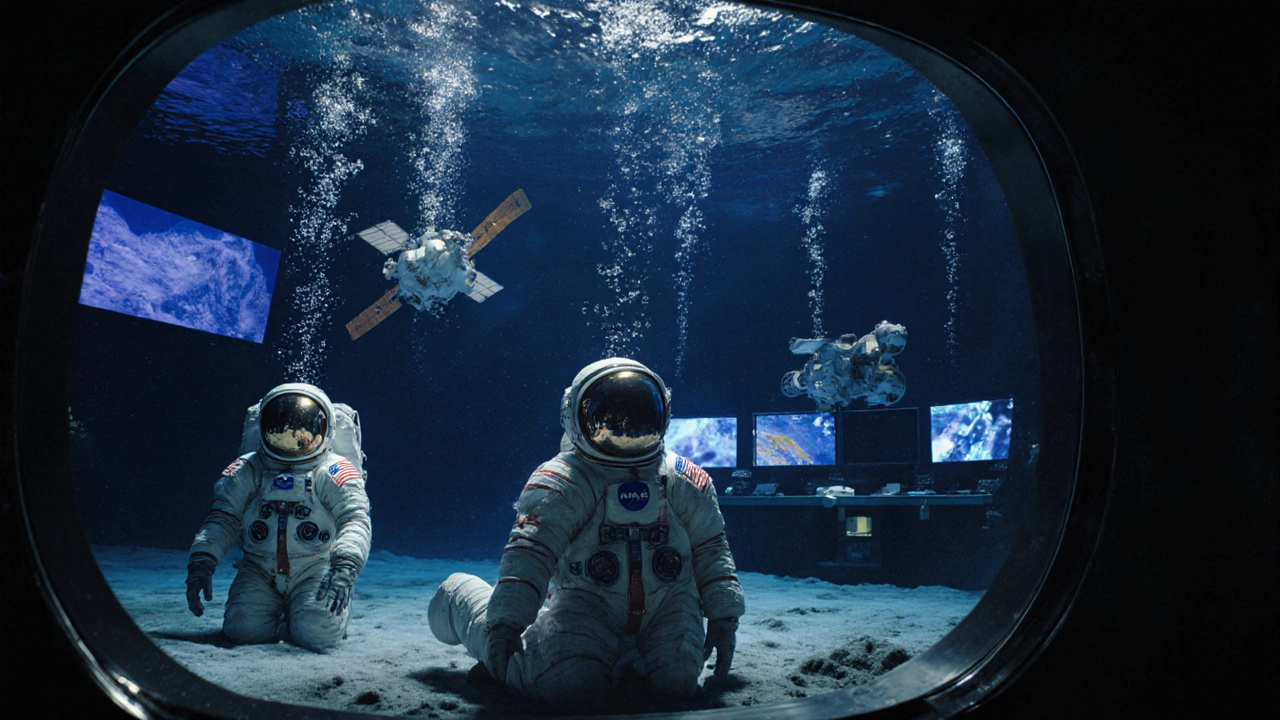
EVA maintenance planning ensures astronaut safety during spacewalks by combining advanced tools, strict protocols, and exhaustive simulations. Learn how NASA plans every spacewalk to handle extreme risks in orbit and beyond.
Learn More