
When the Ethereum Merge, the historic upgrade that switched Ethereum from proof-of-work to proof-of-stake. It was the moment Ethereum stopped being a miner-powered network and became a validator-run one—cutting its energy use by over 99% overnight. This wasn’t just a technical tweak. It was a full rewrite of how trust works on the world’s second-largest blockchain. Before the Merge, Ethereum relied on miners solving complex math puzzles with massive hardware rigs. After? Validators lock up ETH to secure the network—no electricity-hungry rigs needed.
The Merge didn’t just save energy. It changed how transactions get confirmed, how new ETH is created, and even how secure the network feels. Validators now face penalties if they act dishonestly—unlike miners who could just walk away after a failed block. This shift made Ethereum more decentralized too. You don’t need a warehouse full of ASICs to join. A laptop and 32 ETH are enough. And while Bitcoin still burns power like an old furnace, Ethereum now runs like a quiet server farm—efficient, scalable, and built for the future.
Related concepts like Proof-of-Stake, the consensus mechanism that replaced mining on Ethereum and Ethereum consensus, the rules that keep all validators agreeing on the state of the blockchain became central to how crypto operates today. The Merge also made Ethereum’s Ethereum blockchain, the public ledger that records every transaction and smart contract execution more predictable. Gas fees didn’t drop right away, but the foundation for future upgrades—like sharding—was finally laid. Now, developers can build apps knowing the base layer won’t suddenly break under load or cost.
What you’ll find below isn’t just a list of articles. It’s a toolkit. From how cryptographic signatures keep your ETH safe, to why the account model powers Ethereum’s smart contracts better than Bitcoin’s UTXO system, these posts connect the dots between the Merge and the real-world tech that runs on it. You’ll see how Ethereum’s shift affects everything from wallet security to cross-chain bridges. No fluff. Just clear, practical insights into what happened, why it stuck, and what’s next for anyone using or building on Ethereum.
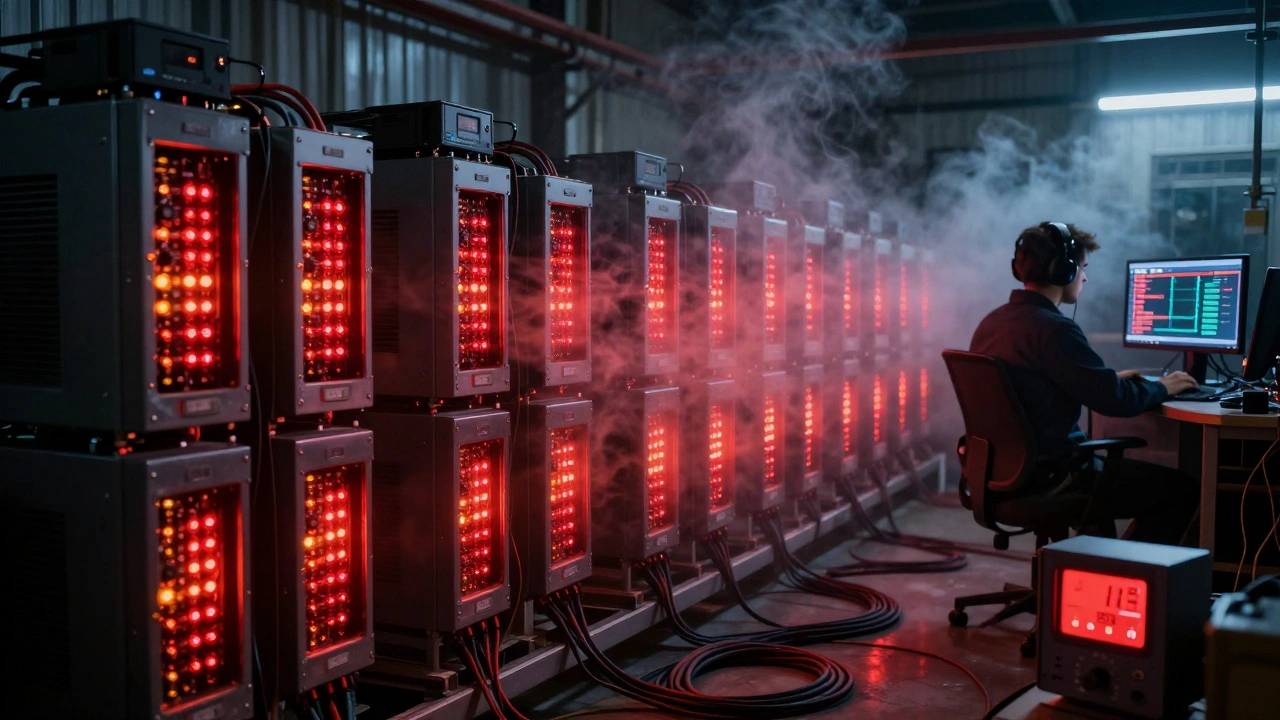
Proof-of-Work and Proof-of-Stake are the two main ways blockchains agree on transactions. PoW uses energy-heavy mining; PoS uses staking. Ethereum's switch to PoS cut energy use by 99.95%. Which is better in 2025?
Learn More