
When a satellite receives a command from Earth, how do we know it’s really from NASA—and not a hacker? That’s where digital signatures, a cryptographic method that verifies the origin and integrity of digital messages. Also known as electronic signatures, they’re the invisible lock on every piece of data sent to space. Without them, a rogue signal could trick a satellite into burning its fuel, shutting down instruments, or even deorbiting. It’s not science fiction—this is daily reality in modern space operations.
Digital signatures rely on public-key cryptography, where each spacecraft or ground station has a unique pair of keys: one private, one public. The sender signs a message with their private key; anyone can verify it using the public key, but no one can fake it without the private one. This system is used in launch contracts, legal agreements between space companies and government agencies that require tamper-proof authentication to ensure liability terms, like those under U.S. indemnification laws, are legally binding. It’s also critical for blockchain verification, a technique used in some satellite networks to confirm transaction history without central control, and for securing data from lunar missions where delays make real-time checks impossible.
Look at the posts here—you’ll see how digital signatures quietly enable everything from Differential GPS signals that prevent spoofing in navigation systems, to Space ROS software that ensures commands sent to lunar robots aren’t hijacked. They’re behind the security of satellite internet providers like Starlink, keeping your data from being intercepted in orbit. Even reusable rockets use them to authenticate software updates before ignition. These aren’t just tech buzzwords—they’re the reason your GPS doesn’t drop you in the ocean, and why a private company like Rocket Lab can launch safely under federal law.
What you won’t find in most explanations is how simple the core idea is: it’s like a wax seal on a letter, but digital, unbreakable, and automatic. You don’t need to understand the math—just know that every time a spacecraft confirms its identity, or a contract is signed remotely, digital signatures are doing the work. And with lunar bases, Mars missions, and mega-constellations coming online, their role is only growing. Below, you’ll find real-world examples of how these systems are built, tested, and used right now in space missions you can track today.
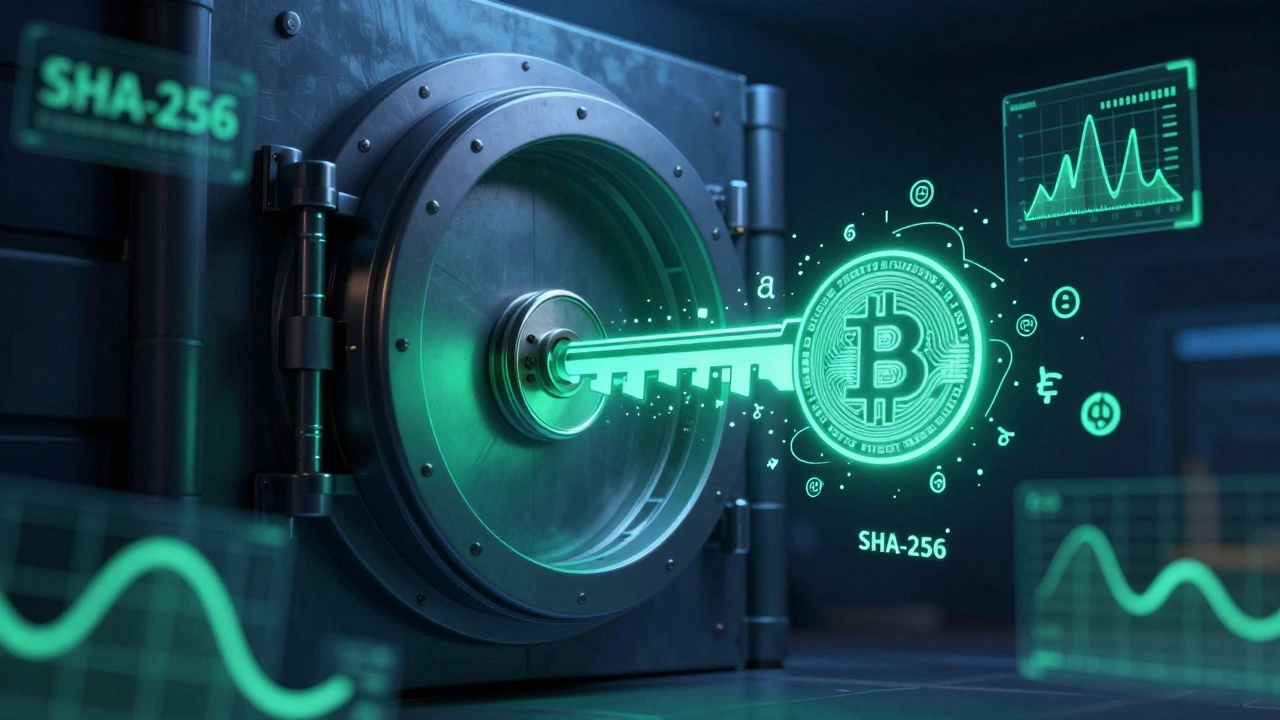
Cryptographic signatures use math, not middlemen, to prove you own your cryptocurrency. This is how Bitcoin and Ethereum verify transactions securely without banks.
Learn More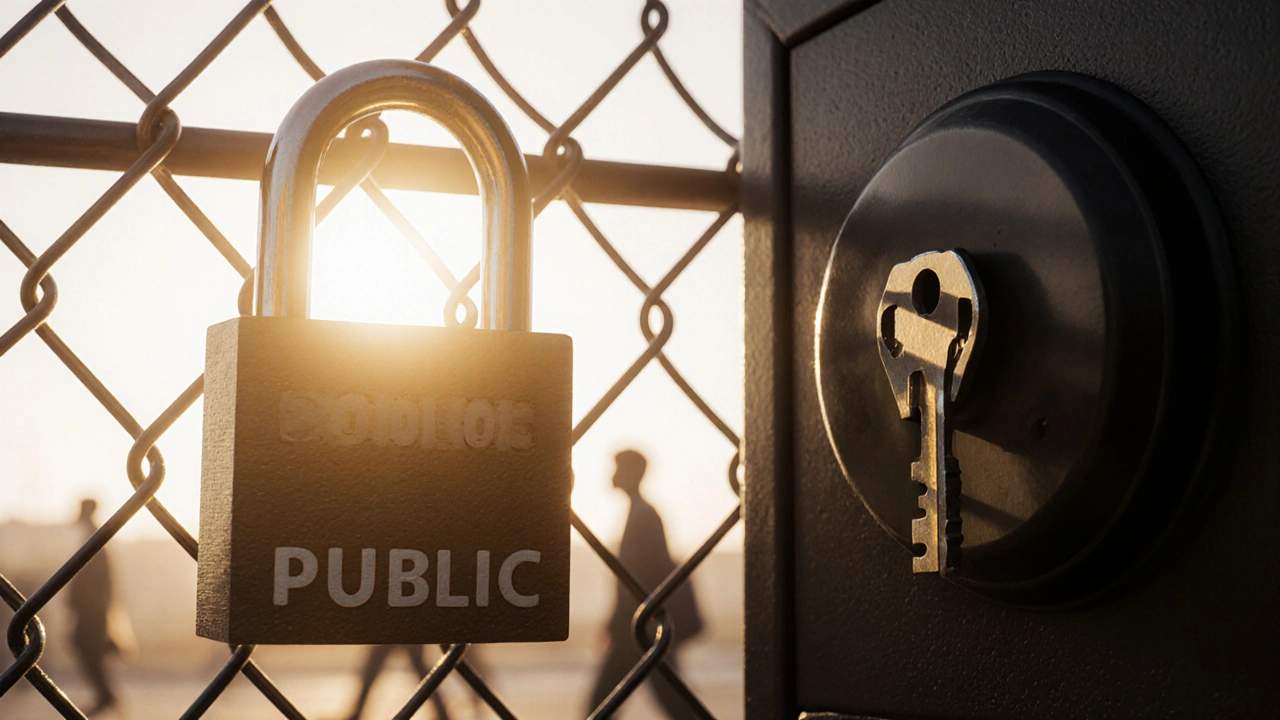
Private and public keys enable secure communication online by using math-based encryption. One key locks data, the other unlocks it-no sharing needed. Learn how they protect your emails, bank logs, and crypto wallets.
Learn More