
When you swap Curve Finance, a decentralized exchange optimized for trading stablecoins with minimal slippage and low fees. It's not just another DeFi platform—it's the backbone of stablecoin liquidity in crypto. Unlike platforms that handle volatile assets like Bitcoin or Ethereum, Curve focuses on assets that are meant to stay close to $1, like USDC, DAI, and USDT. This narrow focus lets it use smart math to keep trades smooth and cheap, even when millions are moving at once.
Curve’s power comes from its liquidity pools, concentrated pools of funds provided by users that enable instant token swaps without order books. These pools are the engine behind every trade, and they’re fueled by people who earn fees just for locking up their stablecoins. It’s not magic—it’s economics. The more stable the assets, the less price movement there is, and the less risk there is for liquidity providers. That’s why Curve became the go-to for traders who want to move between USDC, DAI, and FRAX without losing 1% to slippage. It also works with crypto liquidity, the availability of assets ready to be traded quickly without affecting price. Without deep liquidity, even simple swaps fail. Curve solved that for stablecoins when others couldn’t. And because it’s built on Ethereum, it connects directly to wallets like MetaMask and integrates with other DeFi tools like Yearn and Aave.
Curve isn’t just about swapping. It’s about efficiency. It uses a special pricing curve—hence the name—that adjusts prices based on pool balance, not market bids. This keeps prices steady even when one asset in the pool gets used up. It’s why institutions and retail users alike rely on it for daily stablecoin moves. And while other DEXs chase high yields with risky tokens, Curve stays focused: low risk, low cost, high reliability. That’s why it’s still the largest stablecoin DEX, years after launch.
Below, you’ll find deep dives into how Curve’s pools work, how liquidity providers earn, how it compares to other DeFi protocols, and what happens when the market shifts. These aren’t theoretical guides—they’re real-world breakdowns from people who’ve used Curve in volatile times, watched fees drop, and seen liquidity dry up and refill. Whether you’re swapping USDC for DAI or trying to understand why Curve matters in DeFi, these posts give you the facts—not the hype.
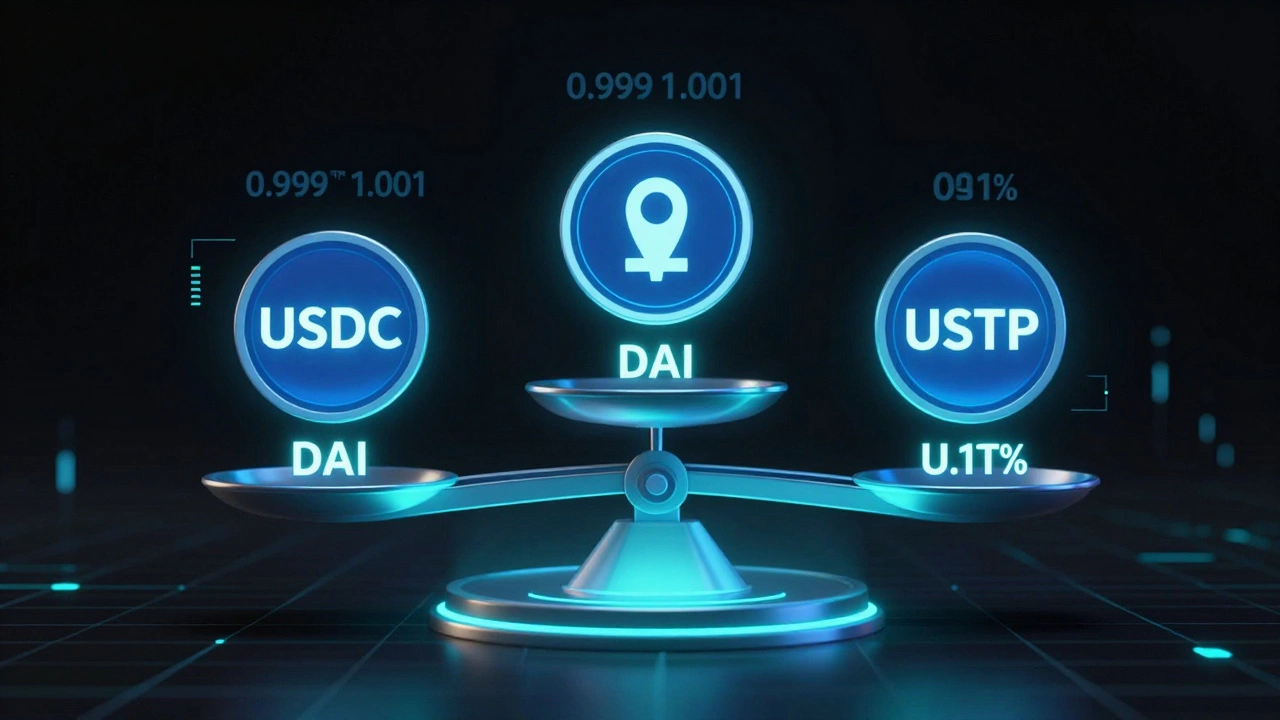
Curve Finance dominates stablecoin trading on DeFi by using smart math to slash slippage. Learn how it works, why it's more efficient than Uniswap, and the hidden risks that could change everything.
Learn More