
When you send a crypto transaction, sign a software update, or even authenticate a command to a satellite, you're using a cryptographic signature, a digital fingerprint created using math to prove who sent something and that it hasn’t been changed. Also known as digital signatures, it’s the invisible lock that keeps your data from being forged or tampered with. Without it, your Bitcoin could be stolen, your spacecraft could receive fake commands, and your online bank login could be hijacked.
It works using a pair of keys: a private key, a secret code only you hold that creates the signature, and a public key, a shared code anyone can use to check if the signature is real. Think of it like a wax seal on a letter—only you can make the seal, but anyone can verify it’s yours. This system doesn’t need passwords, shared secrets, or middlemen. It’s pure math, and it’s everywhere: in Bitcoin blocks, NASA mission controls, and even your phone’s secure boot process.
It’s not just about locking things down—it’s about trust. When the ISS receives a command from Earth, it checks the cryptographic signature before executing it. If the signature doesn’t match the authorized public key, the command is ignored. Same with Ethereum: every smart contract interaction is signed with your private key. No signature? No action. This is why hackers can’t steal your crypto just by guessing your password—they’d need your private key, and that’s mathematically impossible to crack if kept secure.
And it’s evolving. New standards like Schnorr signatures are making crypto transactions smaller and more private. Blockchain networks now rely on signature verification to reach consensus, not just energy-heavy mining. Even space agencies are adopting these techniques to secure communications with Mars rovers and lunar landers. The same math that protects your wallet also protects missions billions of miles away.
What you’ll find below are real-world examples of how cryptographic signatures power everything from blockchain ledgers to spacecraft commands. You’ll see how they tie into hardware wallets, Merkle trees, and blockchain finality. No theory without practice—just how it actually works in the systems you use every day.
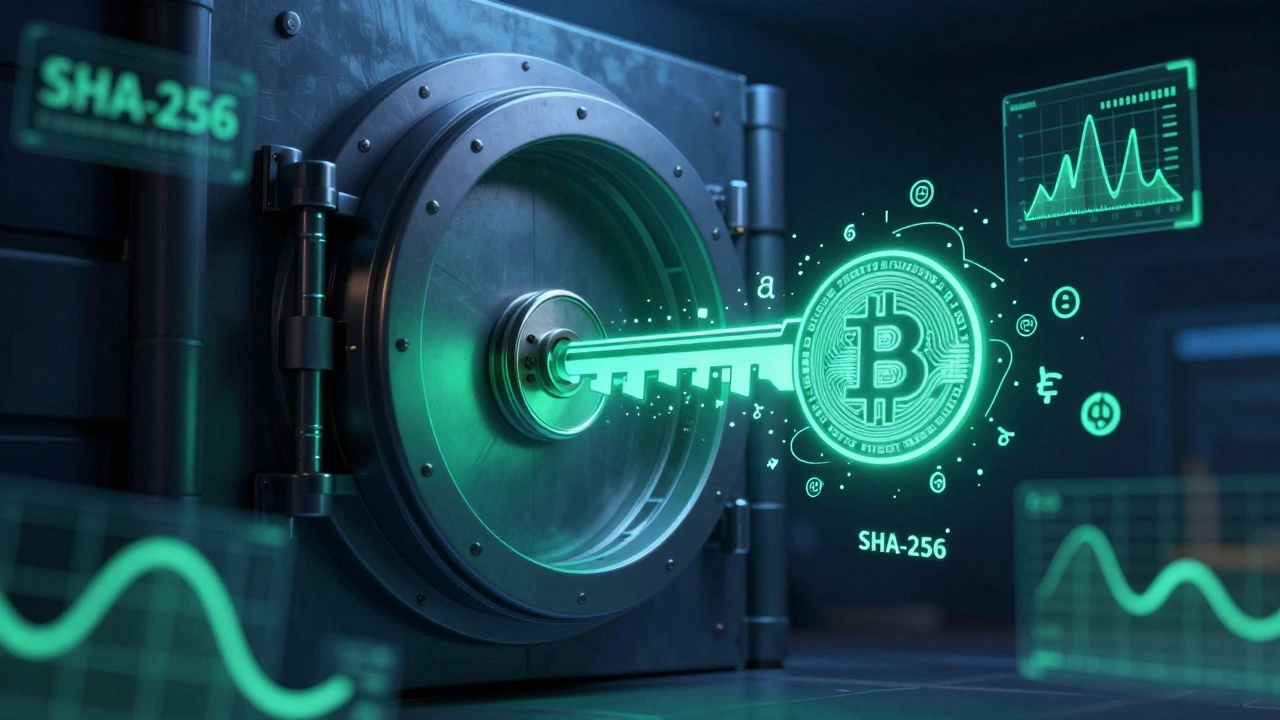
Cryptographic signatures use math, not middlemen, to prove you own your cryptocurrency. This is how Bitcoin and Ethereum verify transactions securely without banks.
Learn More