
When you hear cryptocurrency mining, the process of validating blockchain transactions and adding them to the public ledger using computational power. Also known as proof-of-work mining, it’s the engine behind Bitcoin and other networks that don’t rely on banks to verify payments. It’s not magic—it’s math, electricity, and hardware working together to solve puzzles no one else can solve faster. Every time someone mines a new block, they earn rewards in crypto, but they also help keep the whole system honest and secure.
Behind every mined Bitcoin is a machine called an ASIC miner, a specialized computer built only for solving cryptographic hashes in cryptocurrency networks. These aren’t your old gaming rigs—they’re factory-made machines that run 24/7, consuming as much power as a small apartment. That’s why Proof of Work, the consensus mechanism that requires miners to compete for block rewards using computational effort has come under fire. Critics say it’s wasteful. But miners argue it’s the only way to guarantee security without a central authority. Ethereum switched to Proof of Stake, a system where validators are chosen based on how much crypto they lock up, not how much power they use and cut energy use by 99.95%. But Bitcoin? It still runs on mining. And that’s not changing anytime soon.
Where you find mining, you also find innovation. Some miners now use waste gas from oil fields. Others run on solar panels in rural towns, turning idle energy into income. Community co-ops are popping up where locals pool hardware and share profits. And with tax rules tightening—like IRS rules requiring you to report mining income as ordinary earnings—knowing how it works isn’t just for tech heads anymore. It’s for anyone holding crypto, investing in it, or wondering why their electricity bill spiked last month.
What you’ll find below isn’t just theory. These are real stories: how miners report taxes, why some rigs shut down overnight, how new hardware makes old ones obsolete, and what happens when the price drops but the power bill doesn’t. Whether you’re curious about the tech, worried about the environment, or trying to figure out if mining still makes sense in 2025—this collection gives you the facts without the hype.
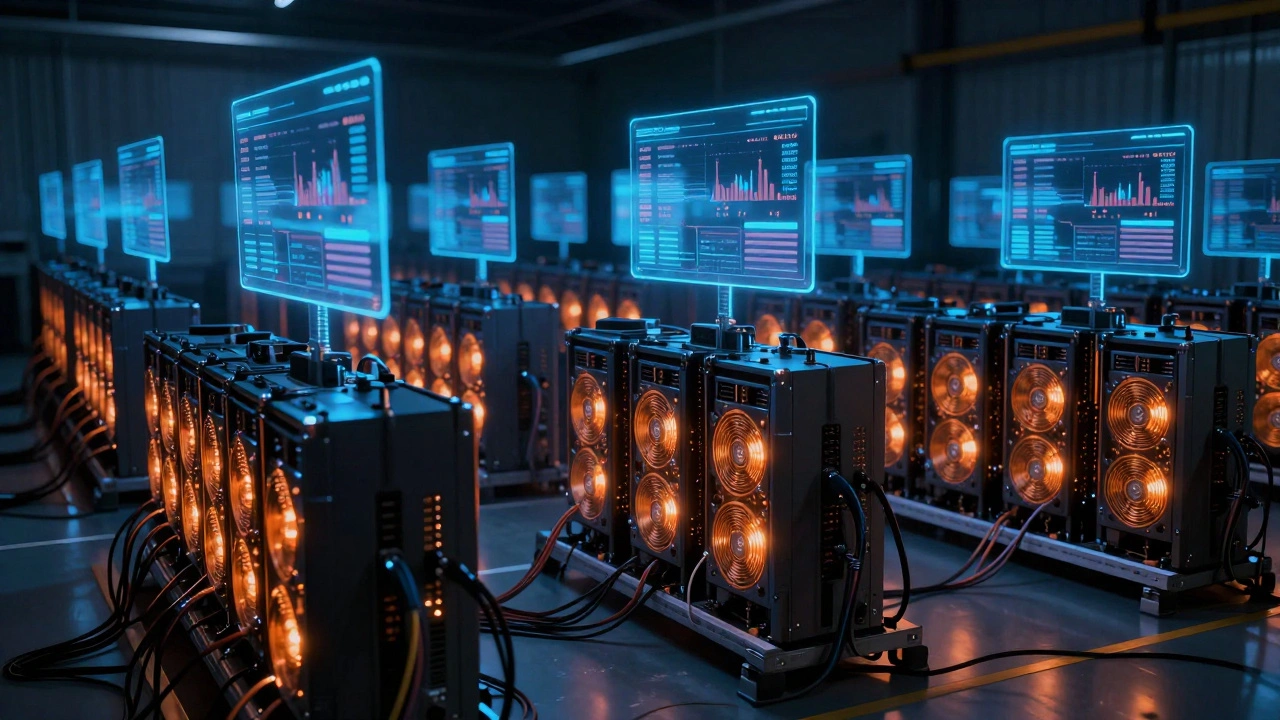
Mining pools let individual miners combine computing power to find cryptocurrency blocks more reliably. Learn how they work, which ones to choose, and why solo mining is no longer viable.
Learn More