
When you hear about crypto energy use, the total electricity consumed by blockchain networks like Bitcoin and Ethereum to verify transactions and secure their ledgers. Also known as blockchain power consumption, it’s not just a tech issue—it’s a real-world energy challenge that’s reshaping how we think about electricity, sustainability, and infrastructure. Bitcoin alone uses more power annually than many countries, and while some call it wasteful, others argue it’s a necessary cost for a decentralized financial system that doesn’t rely on banks or governments.
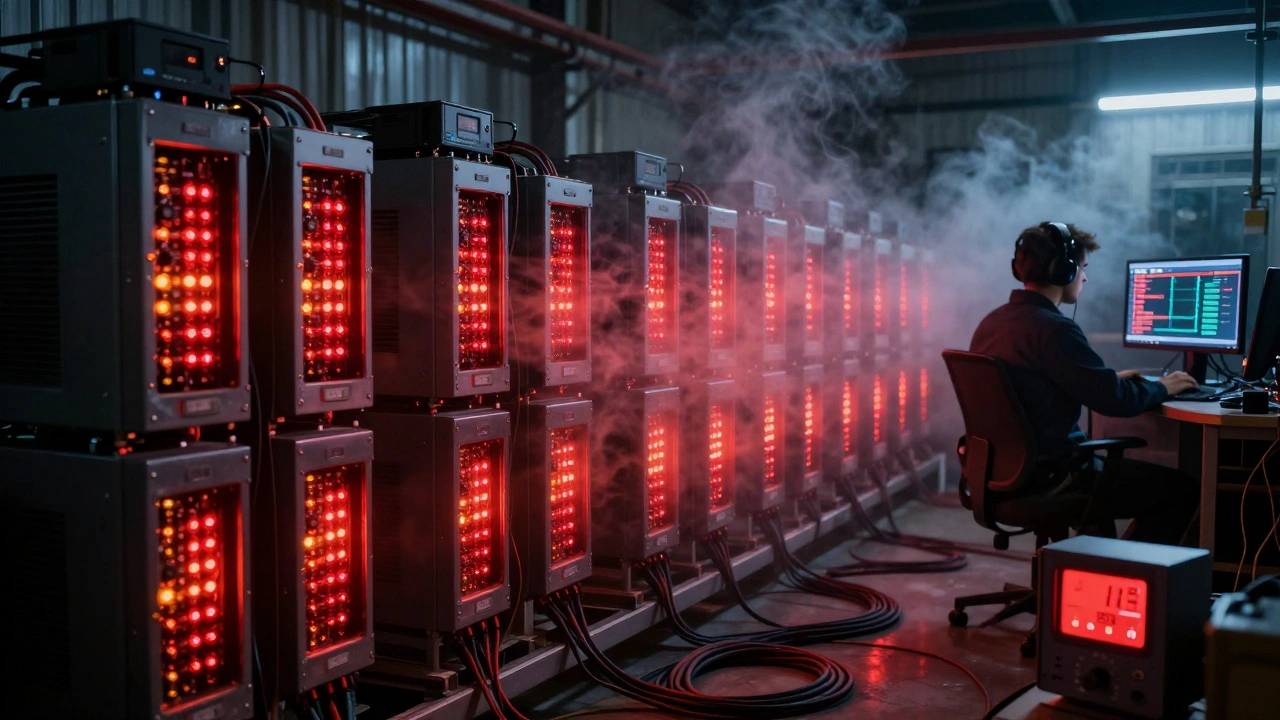
This energy demand doesn’t come from one place. It’s driven by Bitcoin mining, the process where specialized computers solve complex math problems to add new blocks to the blockchain and earn rewards. Also known as proof-of-work mining, it’s the backbone of Bitcoin’s security—but it’s also the biggest contributor to its power footprint. Meanwhile, renewable crypto mining, a growing trend where miners use solar, wind, or hydroelectric power to reduce emissions and lower costs. Also known as green Bitcoin mining, it’s turning crypto from a villain into a potential ally for clean energy grids—especially in places with excess renewable power that would otherwise go unused. These aren’t just buzzwords. Communities in Texas, Iceland, and Quebec are already running mining rigs with surplus wind and hydro, helping stabilize local grids and keeping profits local.
It’s not all about Bitcoin. Ethereum switched to proof-of-stake in 2022, cutting its energy use by over 99%. That shift proved that blockchain doesn’t have to be a power hog. But many smaller chains still rely on proof-of-work, and new mining projects keep popping up. The real question isn’t whether crypto uses too much energy—it’s whether that energy is being used wisely. Are we powering rigs with coal, or are we using wasted solar from midday and wind from overnight? The answer is changing fast, and the data is right here.
Below, you’ll find real guides on how mining is becoming more efficient, how co-ops are making it local and clean, and how regulations like the GENIUS Act are pushing for transparency. Whether you’re worried about the planet, curious about the tech, or trying to mine smarter, these articles give you the facts—not the hype.
Proof-of-Work and Proof-of-Stake are the two main ways blockchains agree on transactions. PoW uses energy-heavy mining; PoS uses staking. Ethereum's switch to PoS cut energy use by 99.95%. Which is better in 2025?
Learn More