
When the crypto bear market, a prolonged period of falling cryptocurrency prices and declining investor confidence. Also known as crypto downturn, it's when optimism fades, trading volume drops, and even big names lose value. This isn't a glitch—it's part of the cycle. Every bull run ends, and every crash clears out the weak hands. The blockchain market cycles, repeating patterns of growth and contraction in digital asset markets have been consistent since Bitcoin’s first major drop in 2011. What changes isn’t the pattern—it’s who’s left standing when the dust settles.
What separates survivors from casualties? It’s not luck. It’s fundamentals. Projects with real utility—like stablecoin liquidity pools, DeFi systems that maintain price stability through smart contract design—keep working even when prices crash. Meanwhile, tokens built on hype alone vanish. The crypto investing, the practice of buying and holding digital assets with the goal of long-term gain mindset shifts during a bear market. You stop chasing moonshots. You start asking: Does this solve a problem? Is the team still building? Are users still active? When Ethereum switched from Proof-of-Work to Proof-of-Stake, it didn’t wait for a bull run to prove its value. It improved the system. That’s the difference.
Don’t confuse a bear market with failure. It’s a filter. Mining pools still find blocks. Cryptographic signatures still secure transfers. Water recovery systems on the ISS keep working in zero gravity. So do real blockchain projects in a bear market. The noise drowns out the signal—but the signal is still there. Below, you’ll find deep dives into how tokenomics separates winners from losers, how liquidity pools survive volatility, and why infrastructure like The Graph and cross-chain standards keep growing even when prices fall. These aren’t speculative bets. They’re the bones of the next crypto economy. And they’re still being built—even now.
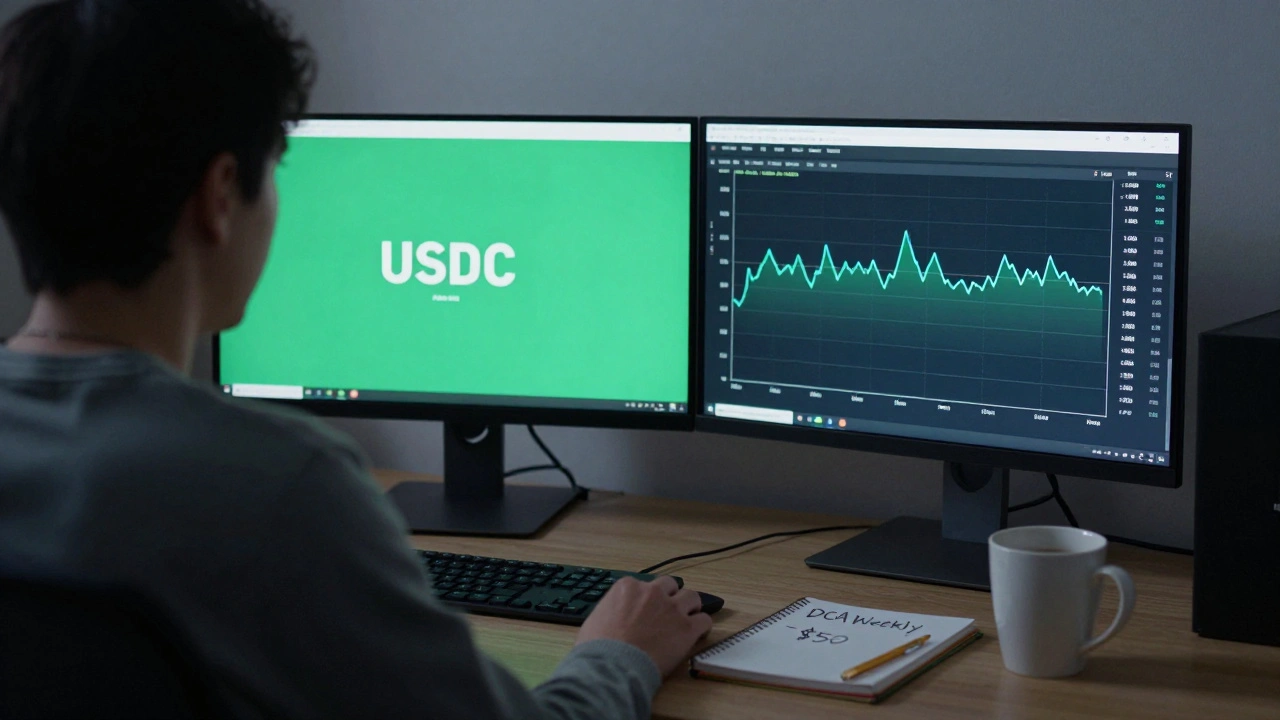
Learn how to protect your crypto investments during bear markets using stablecoins, dollar-cost averaging, and smart stop-losses. Avoid common mistakes and position yourself to thrive when the market rebounds.
Learn More