
When you hear about block rewards, the digital payments miners receive for adding new blocks to a blockchain. Also known as block subsidies, they’re the core incentive that keeps networks like Bitcoin secure and running without banks. Without block rewards, no one would spend money on powerful computers and electricity just to verify transactions. It’s not a bonus—it’s the entire reason the system works.
Block rewards are tied to Proof of Work, the consensus method where miners compete to solve complex math puzzles. The first one to solve it gets the reward, plus transaction fees. Bitcoin started with 50 BTC per block. That number cuts in half roughly every four years—a process called halving. The next one’s coming in 2024, and after that, miners will rely more on fees. Ethereum switched to Proof of Stake, a system where validators stake their own crypto instead of mining, so it doesn’t use block rewards at all. That’s why Bitcoin’s reward structure still defines the conversation.
Block rewards aren’t just about money. They shape how decentralized a network really is. When rewards are high, big mining farms pop up. When they drop, only the most efficient survive. That’s why Bitcoin’s halvings matter—they force the network to adapt. It’s also why some projects, like Bitcoin Cash, changed their reward schedules to keep miners interested. And in places where electricity is cheap, block rewards have turned mining into a local industry, not just a tech trend.
What you’ll find below isn’t just a list of articles. It’s a deep dive into how block rewards connect to real-world crypto economics, energy use, and network security. You’ll see how Ethereum’s move away from mining changed the game, how mining taxes affect profitability, and why some miners are now running co-ops powered by solar panels. These aren’t theoretical ideas—they’re happening right now, in data centers, garages, and remote towns where people are betting their hardware on the next reward cycle.
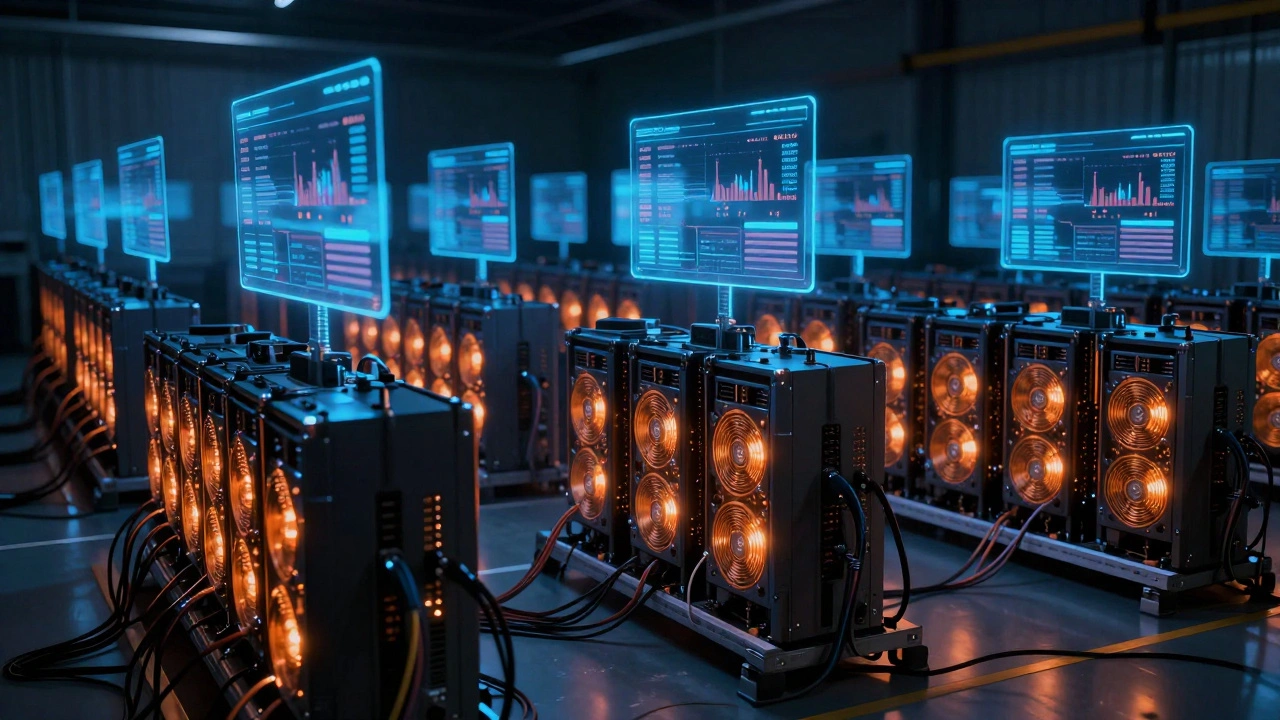
Mining pools let individual miners combine computing power to find cryptocurrency blocks more reliably. Learn how they work, which ones to choose, and why solo mining is no longer viable.
Learn More