
When you hear bitcoin mining, the process of validating transactions on the Bitcoin network using powerful computers to solve complex mathematical puzzles. It's not digging for digital gold—it's running code that secures the entire blockchain. Without it, Bitcoin wouldn’t exist. Every transaction, every wallet balance, every coin ever created relies on miners to keep the system honest and running. This isn’t optional—it’s the foundation.
Behind blockchain, a decentralized, tamper-proof digital ledger that records all Bitcoin transactions across thousands of computers worldwide is a system called proof of work, a consensus mechanism that forces miners to spend real-world energy to earn the right to add new blocks. It’s designed to be hard to cheat and easy to verify. Miners compete to solve cryptographic puzzles, and the first one to crack it gets rewarded with newly minted Bitcoin and transaction fees. This reward system is what keeps people investing in expensive hardware, cooling systems, and electricity bills. It’s not magic—it’s math, electricity, and competition.
People often ask if bitcoin mining is just a waste of power. It’s true: the global network uses more electricity than many countries. But that’s by design. The energy isn’t wasted—it’s paid to secure the network. If it were cheap and easy, bad actors could take over. The cost is the feature. Still, new approaches are emerging. Some miners now use stranded or flared natural gas. Others run on solar or wind during off-peak hours. And newer blockchains are moving away from proof of work entirely, using less energy-heavy methods like proof of stake. But Bitcoin? It’s staying the course.
What you’ll find in these posts isn’t hype. It’s how the system actually works. You’ll see how digital currency, a form of money that exists only in electronic form and relies on cryptography for security and verification gets created and verified without banks. You’ll learn why private keys matter when you’re mining, how Merkle trees help organize transactions, and why even satellite internet is now being used to connect remote mining rigs. This isn’t just about money. It’s about trust, infrastructure, and the quiet engineering that holds a global network together.
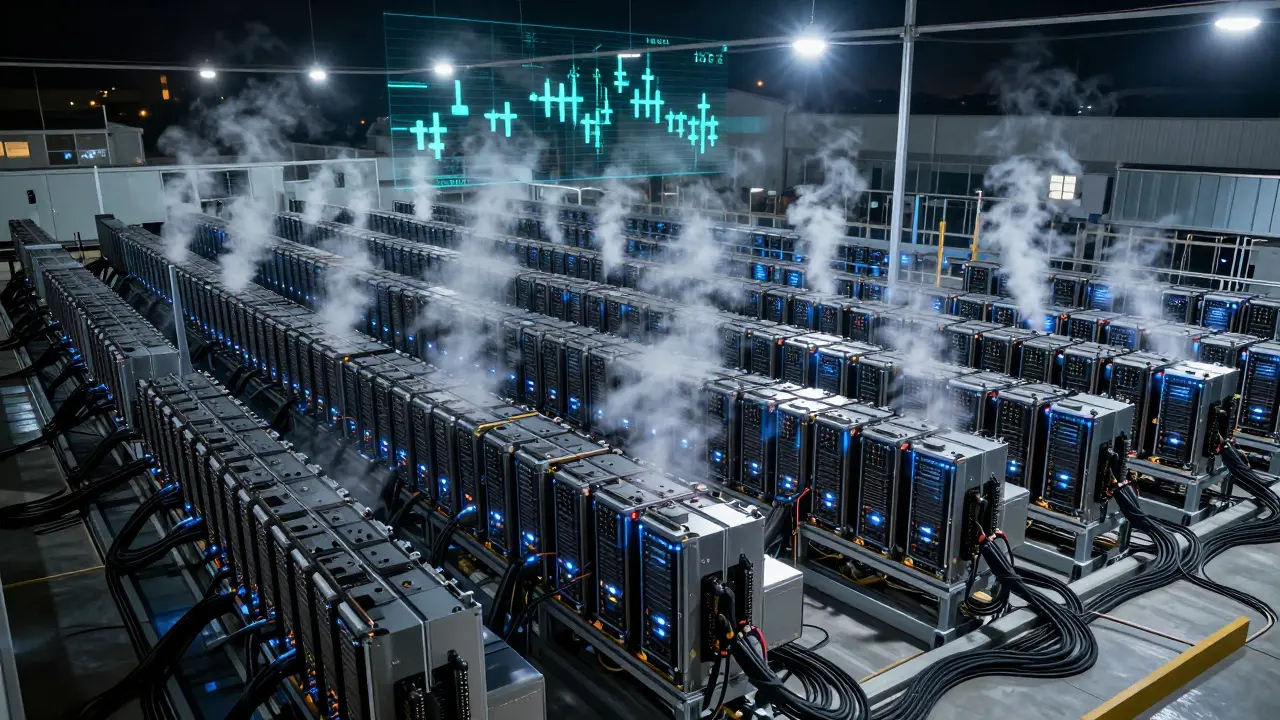
Bitcoin mining secures the network by validating transactions and adding blocks to the blockchain using Proof of Work. Miners compete to solve cryptographic puzzles with ASIC hardware, earning Bitcoin rewards. Learn how difficulty adjustments, block rewards, and mining pools keep the system running.
Learn More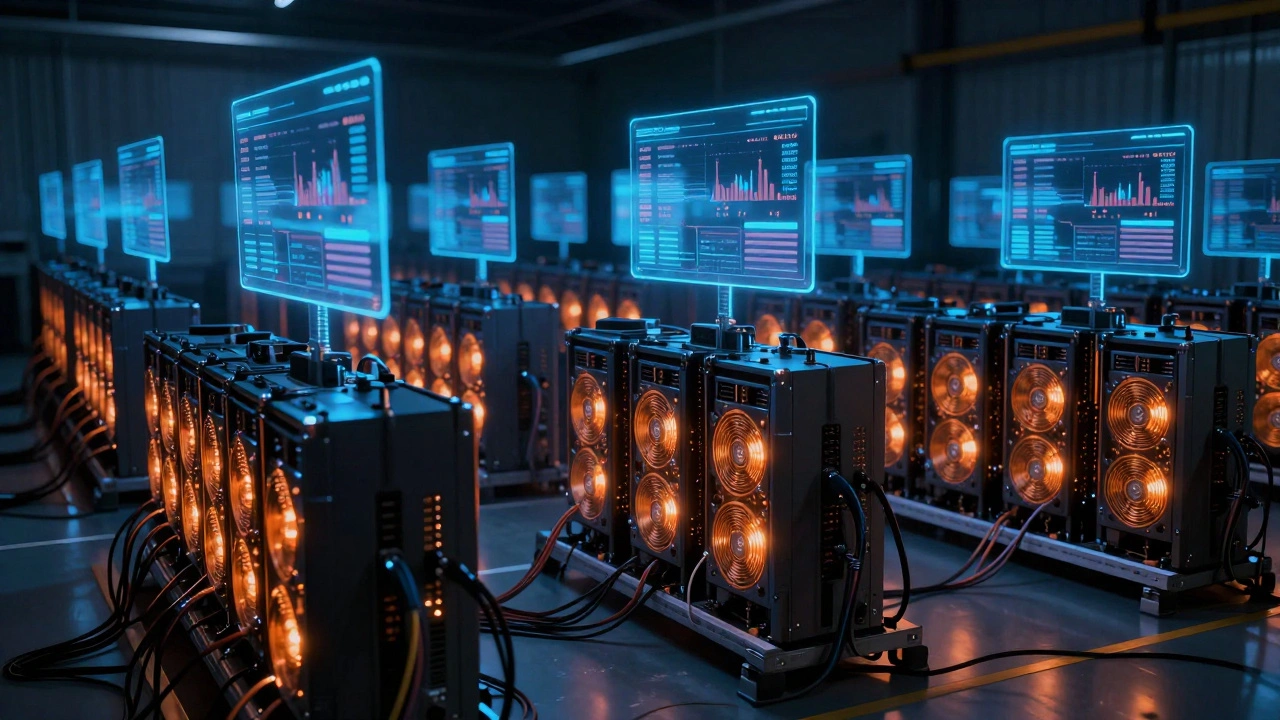
Mining pools let individual miners combine computing power to find cryptocurrency blocks more reliably. Learn how they work, which ones to choose, and why solo mining is no longer viable.
Learn More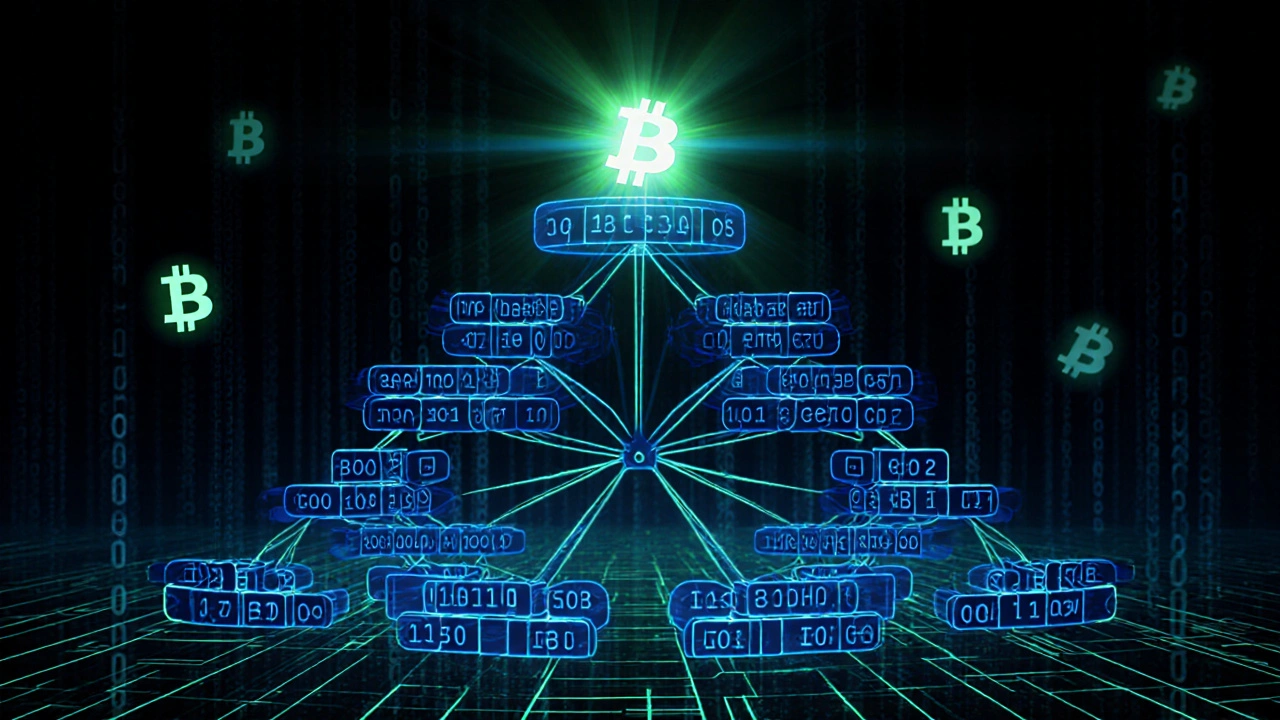
The Merkle root is a cryptographic hash that secures all Bitcoin transactions in a block by binding them to the proof-of-work. It enables lightweight wallets to verify payments without downloading the full blockchain, making Bitcoin scalable and secure.
Learn More