
BE-4 engine, a powerful liquid oxygen and methane rocket engine developed by Blue Origin. Also known as the BE-4, it's designed to replace older, less efficient engines and is now the core powerplant for United Launch Alliance's Vulcan Centaur rocket and Blue Origin's New Glenn. Unlike traditional engines that burn kerosene, the BE-4 uses liquid methane — a cleaner, more abundant fuel that can be made on Mars. This isn’t just a technical upgrade; it’s a strategic shift toward reusable, sustainable spaceflight.
The liquid oxygen methane propulsion, a fuel combination offering high performance with easier handling and storage than hypergolic or kerosene systems. Also known as LOX/methane, it enables engines to be reused multiple times without coking or residue buildup — a major problem with RP-1 fuel. This is why companies like Blue Origin and Rocket Lab are betting big on it. The BE-4 produces over 550,000 pounds of thrust, making it one of the most powerful methane engines ever flown. It’s also built with modern manufacturing techniques, including 3D-printed parts, which cuts cost and lead time.
The Blue Origin, Jeff Bezos’ space company focused on reusable launch systems and long-term space infrastructure. Also known as Blue Origin, it designed the BE-4 to power its own New Glenn rocket and sell it to other launch providers. Meanwhile, Rocket Lab, a private aerospace company known for its Electron rocket and rapid launch cadence. Also known as Rocket Lab, it’s working with Blue Origin to integrate BE-4 engines into future heavy-lift vehicles. Together, they’re pushing the industry away from single-use rockets and toward a model where engines are reused, refueled, and reflown — just like airplanes.
The BE-4 isn’t just about power — it’s about access. By using methane, future missions can potentially produce fuel on Mars using local resources, a key step for human exploration. It also reduces dependency on Russian engines like the RD-180, which were used in Atlas V rockets before sanctions and supply chain issues forced a change. The BE-4 fills that gap with American-made, scalable tech.
What you’ll find in this collection are real breakdowns of how the BE-4 works, why it matters for future lunar and Mars missions, and how it compares to other engines like SpaceX’s Raptor. You’ll see how it’s changing launch economics, what challenges engineers still face, and why this engine could be the backbone of spaceflight for the next 20 years.
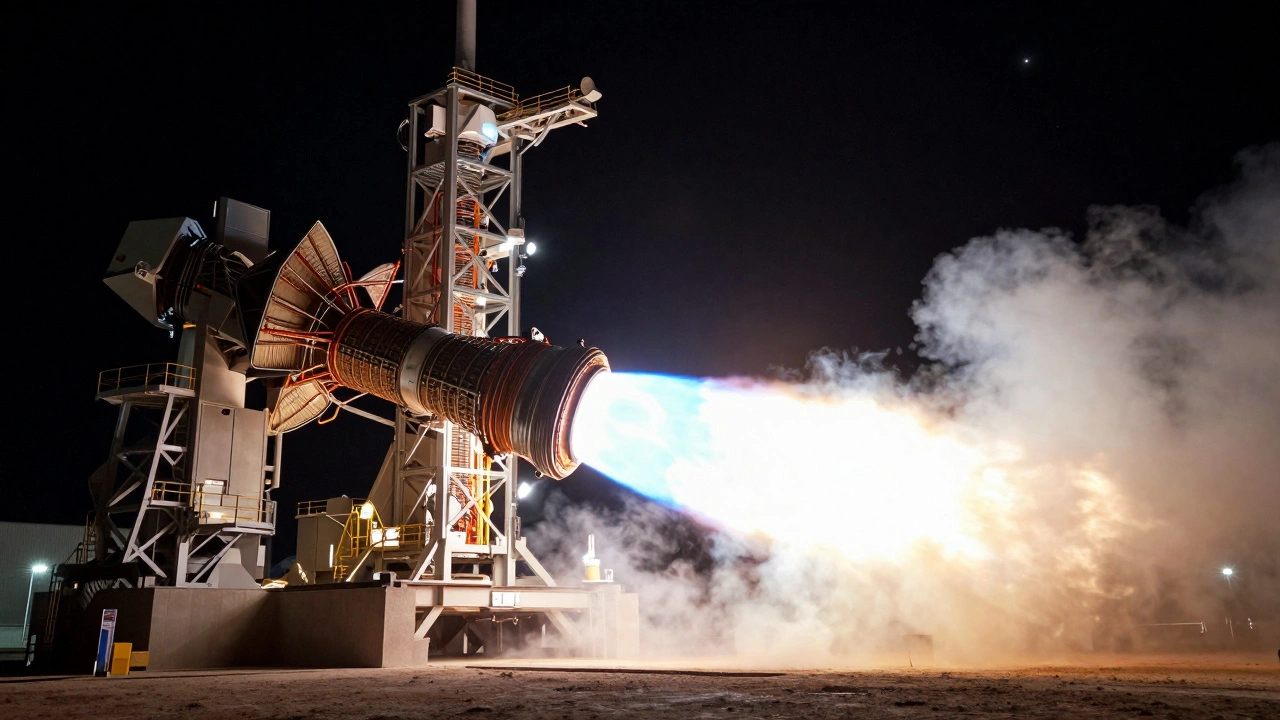
Methalox engines using liquid methane and oxygen are replacing kerosene in modern rockets due to cleaner burns, lower costs, and unmatched reusability - making them essential for Mars missions and affordable spaceflight.
Learn More