
When an astronaut gets stranded in space, there’s no roadside assistance. astronaut rescue, the set of procedures, tools, and backup systems designed to recover crew members in distress during space missions. Also known as in-orbit crew recovery, it’s not just about grabbing someone with a tether—it’s about predicting failure before it happens. Every mission, from the ISS to future lunar bases, includes multiple layers of astronaut rescue planning. It’s not optional. It’s built into every suit, every hatch, every communication protocol.
Spacewalks, or EVA safety, extravehicular activities where astronauts work outside their spacecraft, are among the riskiest operations. A suit leak, a tether snap, or a jetpack failure can turn a routine repair into a life-or-death situation. NASA and its partners train for these scenarios using underwater simulations, virtual reality, and real-time telemetry. They don’t just rehearse rescue—they simulate the worst-case chaos. The same goes for spacecraft abort systems, emergency mechanisms that pull crew capsules away from failing rockets or malfunctioning orbiters. These systems, like the ones on SpaceX’s Crew Dragon or Boeing’s Starliner, are designed to activate automatically if sensors detect a catastrophic failure.
It’s not just about getting astronauts back to their ship. It’s about keeping them alive until rescue happens. That’s where ISS life support, the integrated systems that maintain breathable air, clean water, and stable temperature inside the space station becomes critical. If a crew member can’t return to the main module, backup oxygen, water, and power must sustain them long enough for another vehicle to reach them. That’s why the ISS carries spare suits, emergency oxygen packs, and redundant comms—even for astronauts who never planned to leave the station.
There’s no single hero moment in astronaut rescue. It’s a chain of backups: a ground team monitoring heart rates, a robot arm ready to grab a drifting crewmate, a Soyuz capsule docked and fueled just in case. The most successful rescues are the ones you never hear about—because the plan worked before anyone needed it.
Below, you’ll find real case studies, technical breakdowns, and behind-the-scenes details on how space agencies turn survival into a science. From the tools used during spacewalks to the protocols that trigger a capsule escape, every article here is about one thing: making sure no one gets left behind in orbit.
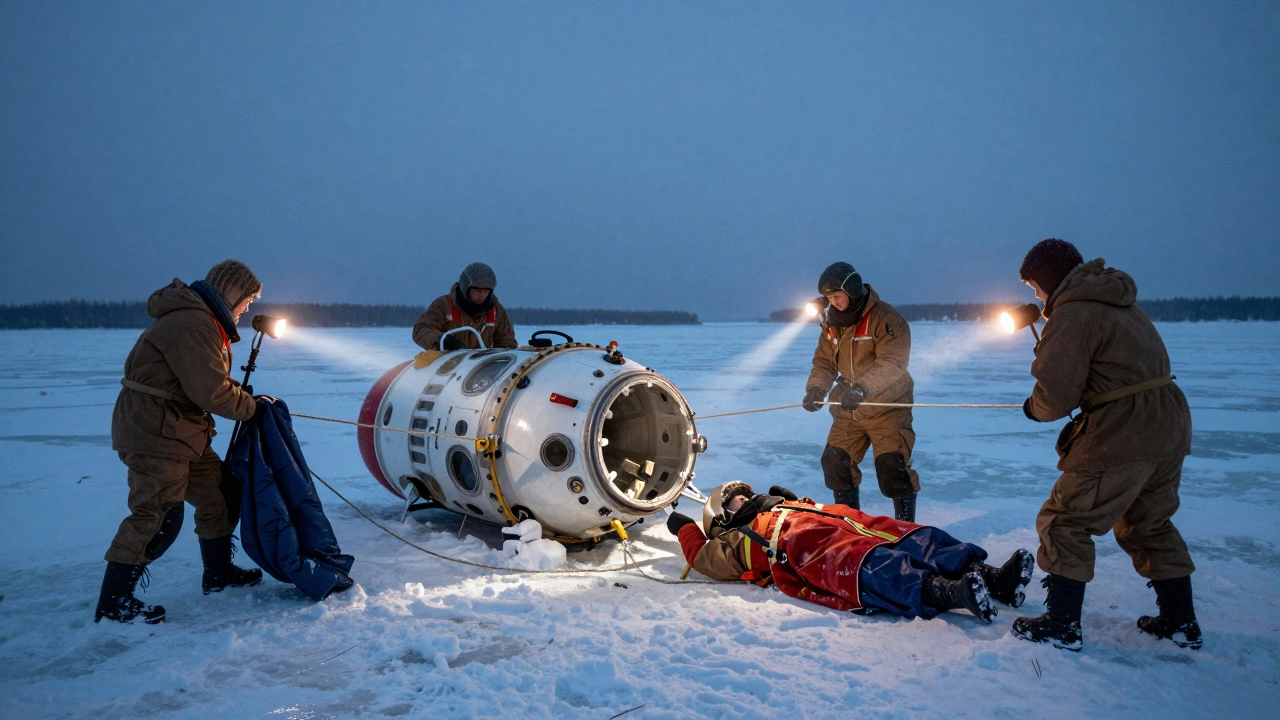
The Rescue Agreement legally obligates nations to save astronauts in distress and return them safely. But with space tourism rising, outdated definitions and unaddressed costs threaten its effectiveness.
Learn More