
When a rocket punches through the atmosphere, aerodynamic control, the system that uses air pressure and surfaces to steer a vehicle in flight. Also known as flight control in atmospheric flight, it’s what keeps rockets from tumbling end-over-end as they climb—or from burning up as they come back down. It’s not just about engines. It’s about shape, angle, and timing. Even in space, where there’s almost no air, aerodynamic control still matters because every spacecraft has to pass through the atmosphere at least once. Miss that step, and you lose the vehicle—or worse, create dangerous debris.
Take Starship’s belly flop maneuver, a controlled horizontal reentry that uses drag to slow down before flipping upright for landing. It’s not a stunt. It’s physics. By turning sideways, Starship increases its surface area to air resistance, slowing itself without using fuel. That same principle applies to drag sails, thin, deployable membranes that catch the last wisps of atmosphere to pull satellites out of orbit. NASA and private companies use them to make sure old satellites don’t become space junk. Both rely on the same idea: use the environment, not just engines, to control movement.
It’s not just about landing. Aerodynamic control shapes how satellites survive reentry, how probes enter Mars’ thin air, and even how astronauts get home safely. The Rescue Agreement, the international rule that says nations must help stranded astronauts. doesn’t just cover medical emergencies—it assumes the spacecraft can still be steered. If a capsule loses aerodynamic control during reentry, rescue becomes impossible. That’s why every system, from fins to reaction wheels, is tested for atmospheric behavior.
What you’ll find here isn’t theory. It’s real missions, real failures, and real fixes. From how SpaceX learned to flip a 100-ton rocket mid-air to why old satellites are now fitted with tiny parachutes made of fabric, these posts show how aerodynamic control isn’t just engineering—it’s survival.
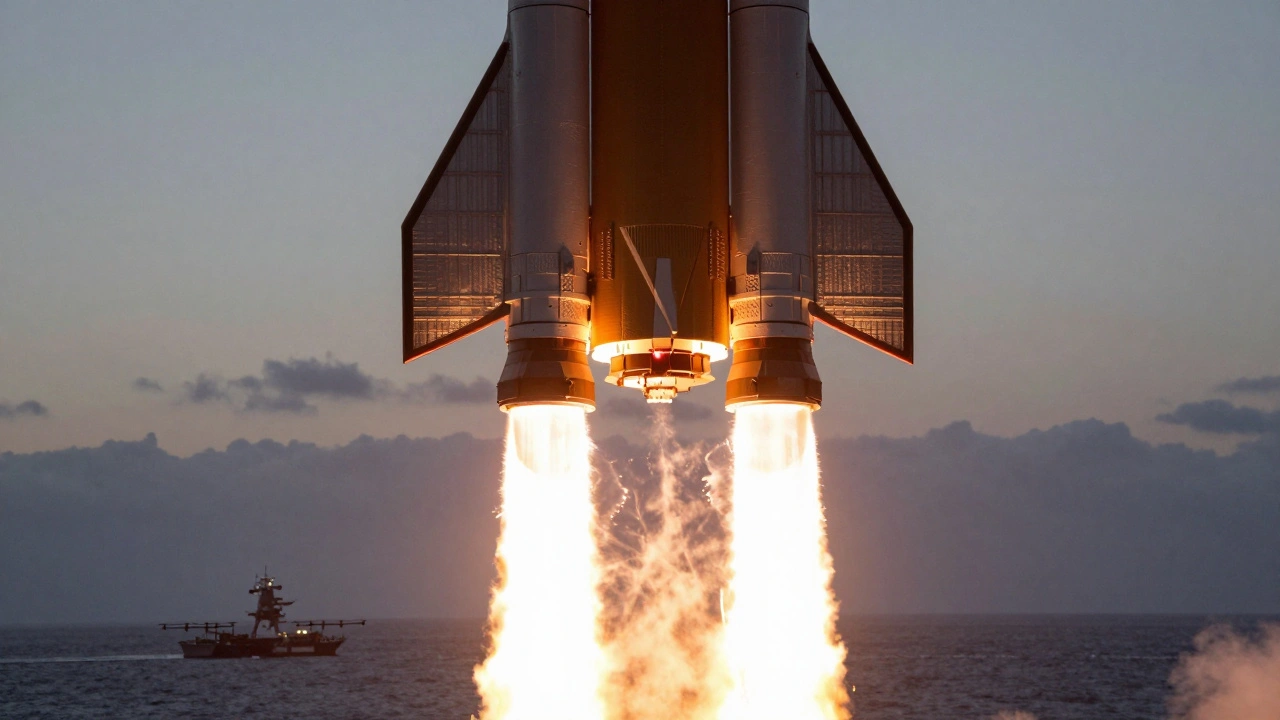
Grid fins are the key to precision rocket landings, enabling reusable boosters to steer through extreme reentry conditions. SpaceX's titanium grid fins have slashed launch costs and made drone ship landings routine.
Learn More