
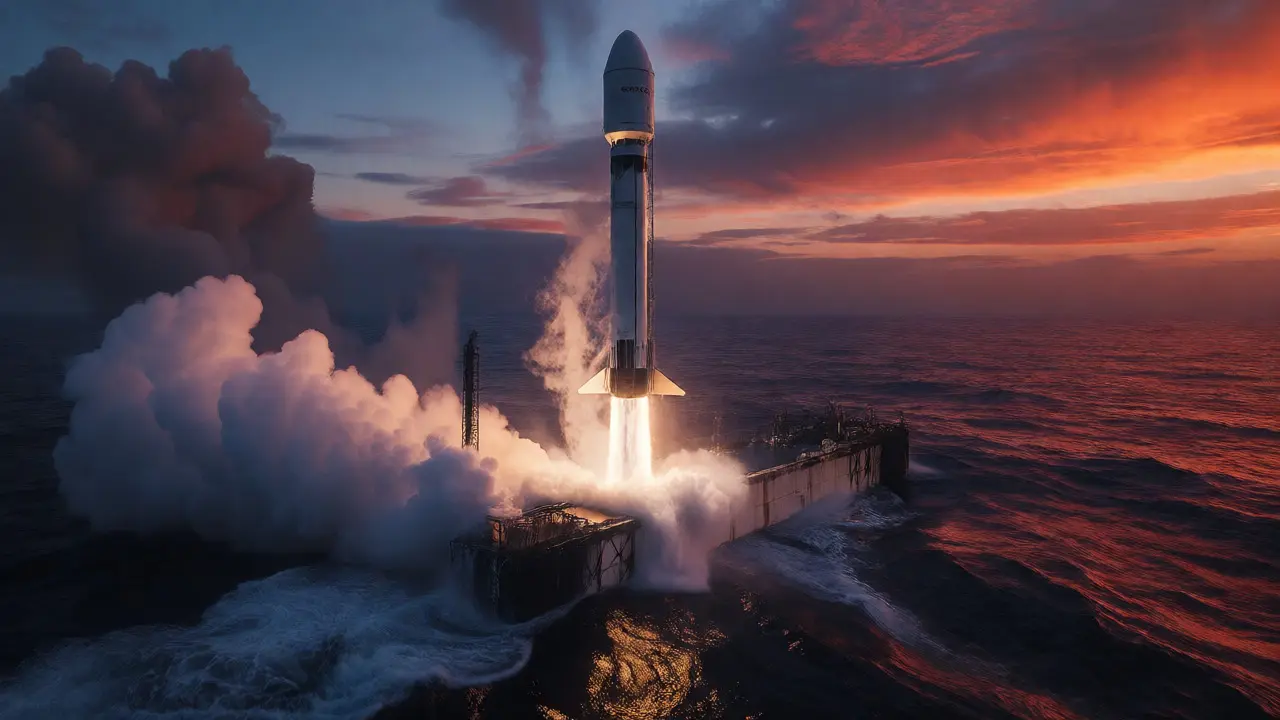
You might think that reusing a rocket is an obvious win for the planet. Why throw away a multi-million dollar booster when you can land it, refurbish it, and fly it again? It saves money, sure. But does it save the atmosphere? The answer isn't as simple as "reuse equals green." While reusable systems like Falcon 9 cut down on manufacturing waste, they also make launching so cheap that we are doing it more often than ever before.
This creates a tricky trade-off. On one side, you have the massive industrial footprint of building new rockets from scratch-mining aluminum, refining kerosene, and shipping heavy stages. On the other, you have the cumulative effect of burning fuel in the upper atmosphere at a record-breaking pace. As of 2026, with satellite megaconstellations filling our skies and space tourism gaining traction, understanding the true environmental cost of getting to orbit matters more than just looking at the price tag per launch.
The Hidden Climate Impact of Rocket Soot
Most people measure pollution by carbon dioxide (CO2). For cars and factories, this works fine. But rockets operate in a different league. They inject exhaust directly into the stratosphere and mesosphere, where it stays much longer than ground-level pollution. The biggest culprit here isn't just CO2; it's black carbon, commonly known as soot.
When RP-1 kerosene burns, it produces tiny, dark particles. A 2022 study from University College London found that these rocket-emitted soot particles are nearly 500 times more efficient at trapping heat than soot from airplanes or cars. Why? Because they sit high up in the atmosphere, absorbing sunlight and heating the air around them without being washed away by rain.
Current data suggests that while rockets produce only about 0.01% of the world's total anthropogenic soot mass, they are responsible for roughly 3% of the global warming attributed to black carbon. That’s a disproportionate impact. If launch rates continue to climb-as projections suggest, potentially reaching 870 tons of soot annually by 2029-this percentage could double. This means that even if each individual flight is cleaner, the sheer volume of flights driven by cheaper reusable rockets could worsen the overall climate impact.
Manufacturing Waste: The Case for Reusability
Let’s flip the script. What happens when you don’t reuse a rocket? You build a new one. Every time an expendable rocket flies, it discards its first stage, fairings, and often its second stage. These components require vast amounts of raw materials, energy-intensive machining, and transportation.
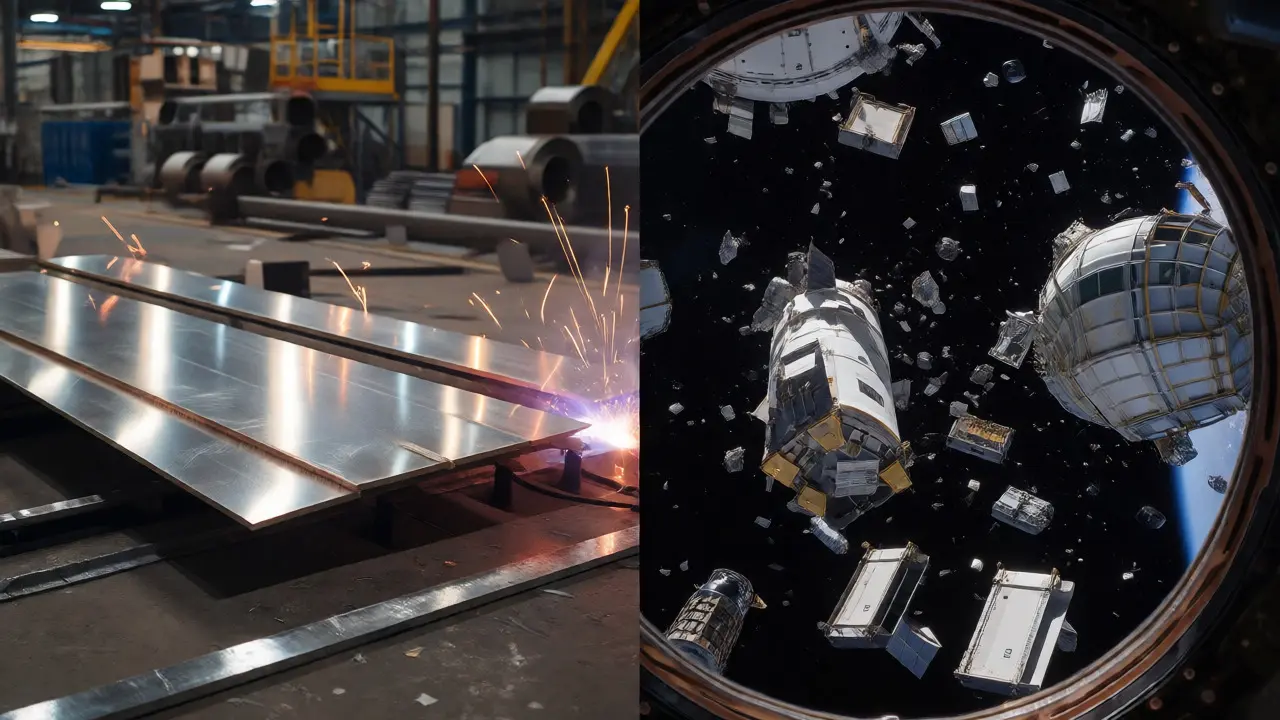
A 2020 life-cycle assessment compared a reusable configuration of Falcon Heavy against an equivalent expendable setup. The results were striking: the reusable version reduced global warming potential by 64% per mission. Most of this benefit came from avoiding the manufacturing phase. Building a new rocket stage involves smelting aluminum, welding tanks, and producing propellant tanks-all of which generate significant industrial emissions.
By recovering boosters and fairings, companies like SpaceX drastically cut down on this factory footprint. Instead of building a whole new stack for every flight, they only manufacture new upper stages and small components. Some industry estimates claim reusability reduces emissions by up to 80% per mission when accounting for manufacturing savings. This is a huge win for resource efficiency, reducing the demand for mining and the energy used in production facilities.

The Rebound Effect: More Launches, More Pollution?
Here is the catch. Cheaper launches mean more launches. When the marginal cost of sending a satellite to orbit drops, companies deploy more satellites. We are seeing this now with megaconstellations like Starlink, which rely heavily on frequent, low-cost reusable flights.
A 2024 database study noted that megaconstellation missions accounted for almost 40% of all launch-related carbon emissions in 2022, despite being a subset of total flights. This is the "rebound effect" in action. Reusability lowers the barrier to entry, encouraging aggressive deployment strategies that burn more fuel in aggregate over time. So, while each Falcon 9 flight might be 64% cleaner than an expendable counterpart in terms of lifecycle emissions, the fact that we are flying hundreds of these rockets a year instead of dozens changes the math entirely.
Experts warn that this increased cadence could offset the per-mission gains. If we go from 100 launches a year to 1,000, the total amount of soot and nitrogen oxides released into the stratosphere skyrockets, regardless of how efficient each individual vehicle is. The environment doesn't care about your cost-per-kilogram; it cares about the total mass of pollutants injected into the upper atmosphere.
Space Debris: Clearing the Orbit
Beyond atmospheric chemistry, there’s the issue of physical trash. Space debris is a growing crisis. Traditional expendable rockets leave behind spent upper stages, broken fairings, and fragmentation from explosions. There are already tens of thousands of tracked objects in Low Earth Orbit (LEO), plus millions of smaller pieces moving at lethal speeds.
Reusable systems help here, but not perfectly. By landing the first stage, we prevent large chunks of hardware from becoming orbital debris. Recovered fairings also reduce the number of lightweight composite fragments left in space. However, most reusable rockets still discard their second stage. These upper stages often remain in orbit as debris unless they perform a controlled deorbit burn. Even then, re-entry causes ablation, releasing metal particles like alumina into the atmosphere.
| Metric | Expendable System | Reusable System |
|---|---|---|
| Manufacturing Emissions | High (New stage built every flight) | Low (Refurbished stages reused) |
| Per-Mission Global Warming Potential | Baseline (100%) | ~36% lower (based on 2020 LCA) |
| Orbital Debris Generation | High (Discards all major stages) | Medium (Recovers first stage/fairings; discards upper stage) |
| Launch Cadence Impact | Lower (Higher cost limits frequency) | Higher (Lower cost enables frequent flights) |
| Stratospheric Soot Accumulation | Directly proportional to flight count | Directly proportional to flight count (potentially higher due to cadence) |
Upper Atmosphere Chemistry and Ozone Depletion
We often forget that rockets affect the ozone layer. Combustion products like nitrogen oxides (NOx) and chlorine compounds can catalytically destroy ozone molecules. A 2022 NOAA modeling study projected that a high scenario of space traffic could raise global stratospheric temperatures by 0.5-2.0 degrees Celsius. This warming can slow down subtropical jet streams and weaken the circulation patterns that distribute weather globally.
Alumina particles from solid rocket motors and re-entering debris also play a role. These particles provide surfaces for chemical reactions that accelerate ozone depletion. While reusable rockets reduce the amount of solid motor debris entering orbit, they don’t eliminate the issue because upper stages and payload adapters still re-enter and ablate. The cumulative effect of thousands of re-entries adds up, creating a persistent layer of metallic dust in the upper atmosphere that interacts with sunlight and chemicals.
What’s Next? Greener Propellants and Better Practices
If reusability alone isn’t enough to solve the environmental puzzle, what will? The industry is shifting toward cleaner propellants. Methane, used in vehicles like Starship, produces less soot than RP-1 kerosene. Hydrogen-oxygen combinations produce mostly water vapor, though they still contribute to stratospheric humidity and radiative forcing.
Additionally, better debris management is critical. Controlled deorbiting ensures that upper stages burn up completely rather than lingering in orbit. Passive deorbit devices, like drag sails, can help clear space junk faster. Regulatory frameworks are also evolving, pushing operators to account for their atmospheric footprint, not just their orbital cleanliness.
For now, the verdict is mixed. Reusable rockets are undeniably better for resource conservation and per-mission efficiency. They keep valuable hardware out of landfills and reduce the need for constant manufacturing. However, they act as a catalyst for a high-frequency launch era that challenges the upper atmosphere in ways we are only beginning to understand. As we move through the late 2020s, the focus must shift from simply reusing hardware to optimizing the entire system for minimal atmospheric disturbance.
Do reusable rockets pollute less than expendable ones?
On a per-mission basis, yes. Life-cycle assessments show that reusable rockets reduce global warming potential by up to 64% by eliminating the need to manufacture new first stages for every flight. However, because reusability makes launches cheaper, it leads to more frequent launches, which can increase the total annual amount of soot and other pollutants released into the atmosphere.
Why is rocket soot worse than car exhaust?
Rocket soot is injected directly into the stratosphere, where it remains for years rather than weeks. Studies indicate that rocket-emitted black carbon is nearly 500 times more effective at trapping heat than surface-level soot because it absorbs solar radiation efficiently at high altitudes and is not removed by rain.
Does reusing rockets stop space debris?
It significantly reduces it, but doesn't eliminate it. Reusable rockets recover their largest components, such as first stages and fairings, preventing them from becoming orbital debris. However, most reusable systems still discard their second stages, which either remain in orbit as debris or re-enter the atmosphere, contributing to upper-atmosphere pollution.
How do satellite megaconstellations affect the environment?
Megaconstellations drive a high launch cadence, largely using kerosene-fueled reusable rockets. In 2022, these missions accounted for nearly 40% of all launch-related carbon emissions. This concentration of launches increases the cumulative load of black carbon and nitrogen oxides in the stratosphere, potentially affecting ozone levels and climate patterns.
Are methane rockets cleaner than kerosene rockets?
Generally, yes. Methane combustion produces less black carbon (soot) than RP-1 kerosene, which is the primary driver of rocket-induced radiative forcing. While methane still emits CO2 and water vapor, the reduction in particulate matter makes it a promising option for mitigating the specific climate impacts associated with high-altitude emissions.
8 Responses
omg this is so frustrating to read 😠 we are literally burning the sky for convenience and nobody cares?? its like 500x worse than cars??? that stat from ucl blew my mind. i feel sick thinking about it 🤢
I think it's important not to lose hope here! While the rebound effect is real, the shift toward methane propellants in vehicles like Starship shows genuine progress. We have to remember that every reusable flight keeps tons of aluminum out of landfills, which is a massive win for resource conservation. It's a complex trade-off, but humanity is actively working on solutions rather than just ignoring the problem. Let's stay optimistic about the innovation happening right now.
The article completely fails to address the radiative forcing efficiency properly. Black carbon in the stratosphere isn't just 'soot'; it's a potent greenhouse aerosol with an albedo effect that dwarfs CO2 on a per-mass basis due to lack of wet deposition. The Jevons paradox cited regarding launch cadence is obvious to anyone who understands basic economics. Reusability lowers marginal costs, increasing demand, which inevitably raises total externalities unless regulated by a Pigouvian tax on stratospheric emissions. Until we price the atmospheric commons, 'green' launches are just greenwashing industrial output. The LCA methodologies often ignore the cumulative ozone depletion potential from NOx catalysis at altitude, rendering their '64% reduction' claims misleadingly narrow.
It is worth noting that the comparison between RP-1 and methane is nuanced. While methane produces less black carbon, the production of liquid natural gas or synthetic methane can be energy-intensive if not sourced sustainably. Furthermore, hydrogen-oxygen combinations, while clean in combustion, contribute significantly to stratospheric humidity, which itself has a warming effect. The table provided simplifies these interactions too much for a rigorous scientific discussion.
great job pointing out that we're just moving the pollution around instead of stopping it 🙄
this feels like such a classic human dilemma 🌍 we solve one problem (waste) and create another (emissions). maybe the answer isn't just better rockets, but rethinking why we need thousands of satellites in low earth orbit? do we really need that level of connectivity right now? 🤔 perhaps slowing down our ambition might actually save us more than any technological fix could. it's all about balance and recognizing limits. 💭
finally someone says it!! 🇺🇸 we shouldn't let other countries dump their space trash in OUR atmosphere without consequences. this rebound effect is basically them cheating on environmental rules. we need strict US regulations on launch frequencies immediately. 🛑
The dichotomy presented here is rather stark, yet illuminating. One must consider the sheer audacity of humanity's reach into the heavens, juxtaposed against the fragile tapestry of our atmospheric chemistry. To discard hardware is wasteful, yes, but to saturate the stratosphere with particulate matter is akin to smothering the sky in ash. It is a tragic irony that our quest for efficiency breeds excess. Perhaps the true measure of progress is not how many times we can fly, but how gently we tread upon the air we breathe. The elegance of engineering must eventually bow to the wisdom of restraint.