
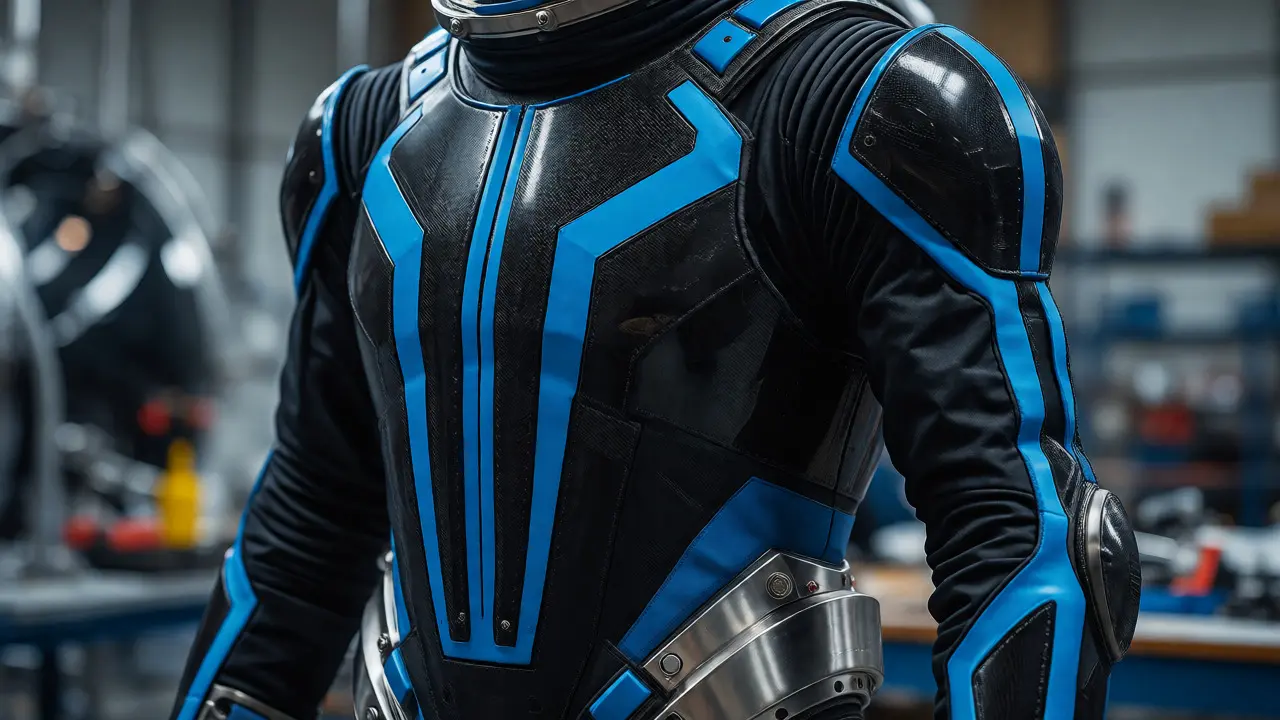
You might have seen photos of a sleek, black-and-blue astronaut suit that looks like it stepped out of Tron. That wasn't a movie prop or a concept render. It was the Z-2, a real-life experimental pressure garment built by NASA to solve one massive problem: how do you walk on Mars without tiring out in three hours? While headlines often scream about "new moon missions," the quiet revolution in how astronauts actually move on dusty surfaces started with the Z-Series prototypes back in the early 2010s.
Here is the reality check: You cannot buy a Z-Series suit. You won't see them on the next Artemis launch pad as-is. But if you are wondering why current space suits look and function the way they do, the answer lies in these testbeds. They were the bridge between the bulky Apollo gear and the modern Exploration Extravehicular Mobility Unit (xEMU). Let's break down what made the Z-1 and Z-2 special, why the public voted on their appearance, and where this technology stands today in late 2026.
Why We Needed New Suits for Walking
The standard suit used on the International Space Station, the Extravehicular Mobility Unit (EMU), is fantastic for floating in microgravity. In zero-g, you don't need to fight gravity to lift your leg. You just push off. But on the Moon or Mars, gravity exists. Trying to walk in an EMU is like trying to march while wearing a rigid cardboard box around your torso. Every step requires massive effort because the joints resist bending.
NASA realized that future missions weren't just about visiting; they were about working. Astronauts needed to kneel to pick up rocks, bend over to drill samples, and climb slopes. The old suits failed at this. Enter the Advanced Space Suit Project, which spawned the Z-Series. These weren't designed to replace the ISS suits immediately but to prove that we could build flexible, durable, and easy-to-wear gear for planetary surfaces.
Z-1: Proving Rear Entry Works
The first iteration, Z-1, arrived in 2012. Its biggest innovation wasn't the materials-it was the entry method. Traditional suits require you to slide into the legs first, then struggle into the arms, all while fighting internal air pressure. This is exhausting and slow.
Z-1 introduced a rear-entry architecture. Imagine putting on a jacket instead of climbing into a sleeping bag. You open a hatch on the back, step in, and seal it shut. This design allowed for a softer upper torso and more natural shoulder movement. It also meant astronauts could put the suit on themselves without needing two people to help zip them up. This self-donning capability is critical for emergency situations or when support crews aren't nearby.
| Feature | ISS EMU (Current) | Z-1 Prototype | Z-2 Prototype |
|---|---|---|---|
| Entry Method | Front entry (hard torso) | Rear entry (soft torso) | Rear entry (hybrid hard/soft) |
| Primary Use Case | Microgravity (ISS) | Mobility testing | Planetary walking (Moon/Mars) |
| Operating Pressure | 4.3 psid | Variable (tested higher) | 8.3 psid nominal |
| Torso Material | Aluminum Hard Upper Torso | Soft fabric layers | Carbon-composite shell |
| Status (2026) | Operational | Historical Testbed | Heritage Hardware |
Z-2: The Tron-Looking Powerhouse
If Z-1 was the proof of concept, Z-2 was the muscle. Delivered later, Z-2 was designed specifically for high-pressure operations-up to 8.3 pounds per square inch differential (psid). Why so high? Because lower pressure means you can breathe pure oxygen safely, but higher pressure reduces the risk of decompression sickness during rapid descents from orbit to surface. It’s a trade-off between mobility and physiological safety.
Z-2 featured a hard upper torso made from carbon and S-glass composites. Unlike the heavy aluminum shells of the past, this composite material is lighter and stronger. It also included rolling-convolute joints-those accordion-like folds at the shoulders and hips-that allow for extreme range of motion. The suit had a titanium waist bearing, letting the top half rotate independently from the bottom half. This sounds minor until you try to twist around to reach a tool belt while crouching in a pressurized bubble.
The most famous aspect of Z-2 was its look. In 2014, NASA let the public vote on the external cover design. Over 230,000 people participated. The winner, dubbed the "Technology" design, featured sharp lines and blue accents reminiscent of sci-fi aesthetics. It wasn't just for show; the outer layer was designed to be abrasion-resistant against sharp lunar regolith and Martian dust.
The Reality Check: Prototype vs. Flight Ready
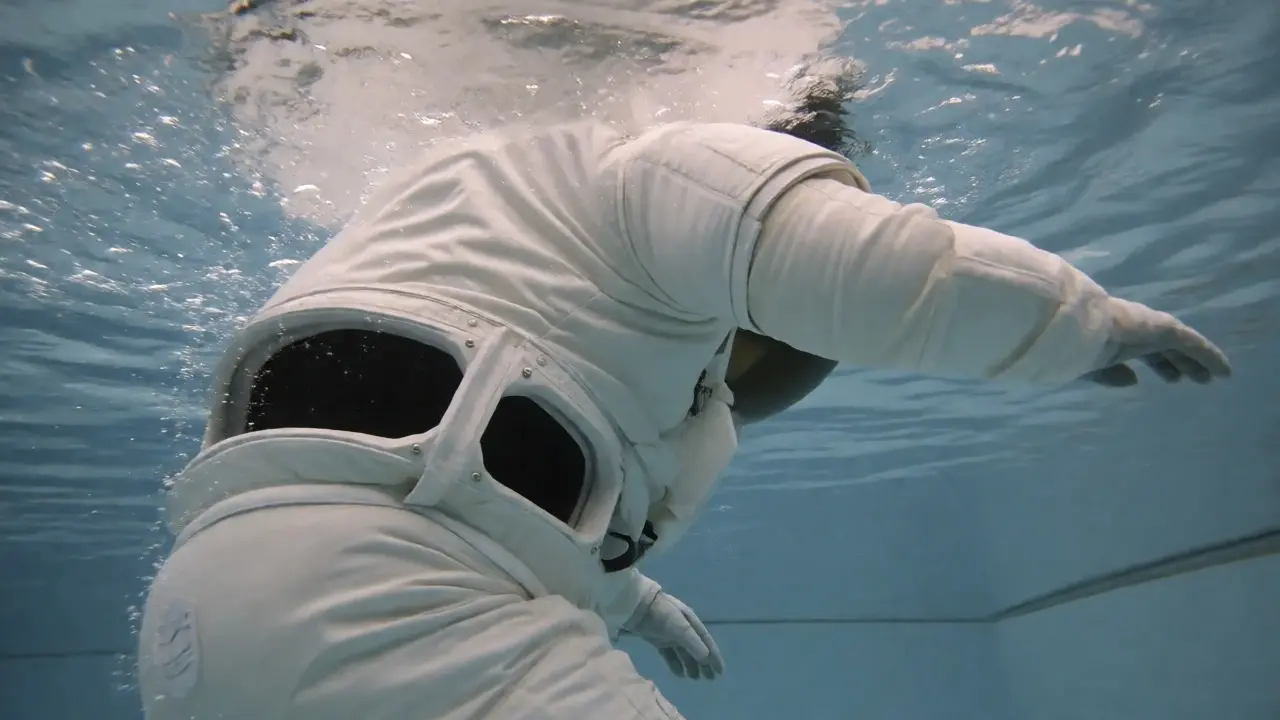
It is crucial to understand that neither Z-1 nor Z-2 ever flew in space. They were Class II prototypes, meaning they were built for rigorous testing in vacuum chambers and underwater pools, not for rocket launches. As of November 2026, no astronaut has worn a Z-Series suit on the Moon or Mars.
So, what happened to them? They became ancestors. The lessons learned from Z-2’s composite torso and joint mechanisms directly influenced the development of the xEMU (Exploration Extravehicular Mobility Unit), which is the suit intended for the Artemis program. A 2024 technical paper confirmed that the xEMU hard upper torso has direct heritage from the Z-2 hardware delivered by ILC Dover.
There is a common misconception that NASA canceled the Z-Series because they failed. Not exactly. Programs evolve. The specific Z-2 configuration served its purpose as a testbed. The focus shifted to integrating these technologies into a complete system that includes a portable life-support backpack, communication arrays, and radiation shielding. The Z-Series proved the mechanical concepts; the next phase was making them mission-certified.

Challenges Still Facing Planetary Suits
Even with advanced designs like Z-2, several hurdles remain before we have a perfect Mars suit:
- Dust Tolerance: Lunar dust is sharp and electrostatically charged. It gets into every crevice. Engineers aim for suits that can operate for 600 hours in dusty conditions with minimal maintenance. Z-2 helped test sealing mechanisms, but long-term durability is still being refined.
- Thermal Control: On the Moon, temperatures swing from +120°C to -170°C. The suit must keep the astronaut comfortable without adding excessive weight. Active cooling systems, like water-cooled garments, are integrated into these designs.
- Sizing and Fit: One size does not fit all. Z-2 included adjustable sizing rings and telescoping waists to accommodate different body types. This is vital for crewed missions where multiple astronauts share equipment.
- Self-Doffing: Being able to take the suit off alone is a safety feature. If an astronaut feels unwell, they shouldn't have to wait for a partner to help them unzip. The rear-entry design facilitates this.
What This Means for Future Exploration
The Z-Series represents a pivotal moment in aerospace engineering. It marked the shift from "surviving in space" to "working in space." The investments made in these prototypes-estimated at hundreds of millions across various NASA suit programs since 2007-have paid off in knowledge rather than immediate deployment.
As we look toward the late 2020s and beyond, the DNA of the Z-2 lives on in every new prototype tested at Johnson Space Center. When you see images of upcoming Artemis astronauts, remember that their ability to bend, kneel, and explore comes from the groundwork laid by these black-and-blue test suits. They didn't make it to Mars themselves, but they paved the way for those who will.
Is the Z-2 space suit currently in use?
No, the Z-2 is not currently used for operational spacewalks. It was an experimental prototype developed by NASA to test new technologies for planetary suits. Its design features, such as the composite torso and rear-entry system, have been incorporated into newer suits like the xEMU, which is intended for Artemis lunar missions.
Why did NASA let the public vote on the Z-2 suit design?
NASA held a public vote in 2014 primarily to engage the general audience and generate excitement for space exploration. The winning "Technology" design, which resembled the aesthetic of the movie Tron, received about 62-63% of the votes. Importantly, the vote only determined the outer cover color and pattern, not the underlying engineering or functionality of the suit.
Can you buy a Z-Series space suit?
No, you cannot buy a Z-Series space suit. They were research and development prototypes owned by NASA. There was never a commercial production run, retail price, or consumer availability for the Z-1 or Z-2 models. They exist as historical artifacts and technical references for current aerospace engineers.
What is the difference between the Z-2 and the xEMU?
The Z-2 was a technology demonstrator focused on proving specific features like rear entry and composite torsos. The xEMU (Exploration Extravehicular Mobility Unit) is the resulting flight-ready suit designed for actual missions to the Gateway station and the lunar surface. The xEMU integrates the successful elements of the Z-2 with additional life-support, thermal control, and certification requirements needed for human spaceflight.
How much did the Z-Series suit development cost?
While individual prototype costs vary, NASA's broader spacesuit development efforts have exceeded $1 billion in projected spending through recent fiscal years. The Z-1 prototype alone reportedly cost approximately $1.8 million to develop. However, these figures represent R&D investment rather than a unit production cost, as the suits were never mass-produced.