
When you hear space tourism, the emerging industry that lets private citizens pay to travel beyond Earth’s atmosphere. Also known as commercial spaceflight, it’s no longer just a dream for billionaires—it’s a growing sector with real tickets, training programs, and scheduled launches. Companies like SpaceX and Virgin Galactic aren’t just building rockets; they’re building passenger experiences. One flight might take you to the edge of space for a few minutes of weightlessness. Another could send you circling the Moon. The difference isn’t just altitude—it’s the entire experience.
Lunar tourism, a subset of space tourism focused on trips around or near the Moon, is already in development. Companies like Space Adventures have been working with NASA and private partners for years to design circumlunar missions. These aren’t just sightseeing tours—they involve complex orbital mechanics, radiation shielding, and multi-day life support systems. Meanwhile, SpaceX, the company leading the charge in reusable rocket technology and crewed missions has already sent private citizens on orbital flights using Crew Dragon. Their Starship, still in testing, could one day carry tourists to the Moon or even Mars. And Virgin Galactic, a pioneer in suborbital spaceflights using winged spacecraft has already flown dozens of customers, giving them a few minutes of zero-G and a view of Earth’s curvature.
What’s driving this? It’s not just wealth. It’s access. More people are asking: Can I do this? How much does it cost? What’s the training like? What if something goes wrong? The answers are evolving fast. Medical screenings are strict, but not impossible. Training lasts weeks, not years. And prices? They’re dropping—from $250,000 for a suborbital hop to $55 million for a lunar flyby. That’s still a fortune, but it’s a fraction of what it was a decade ago.
Behind every tourist flight is a stack of tech: life support systems that recycle air and water, radiation monitors that track solar storms, and spacecraft designed to handle reentry after months in deep space. This isn’t just about going up—it’s about coming back safely. And that’s where the real innovation is happening. You’ll find detailed breakdowns of those systems in the articles below, from how SpaceX’s Dragon capsule keeps passengers alive to what materials shield tourists from cosmic rays.
What you’ll find here isn’t hype. It’s facts. Real missions. Real prices. Real risks. And real people who’ve already gone—or are lining up to. Whether you’re curious about the next flight, wondering how it all works, or just trying to understand why this matters, the posts below cover it all—without the fluff.
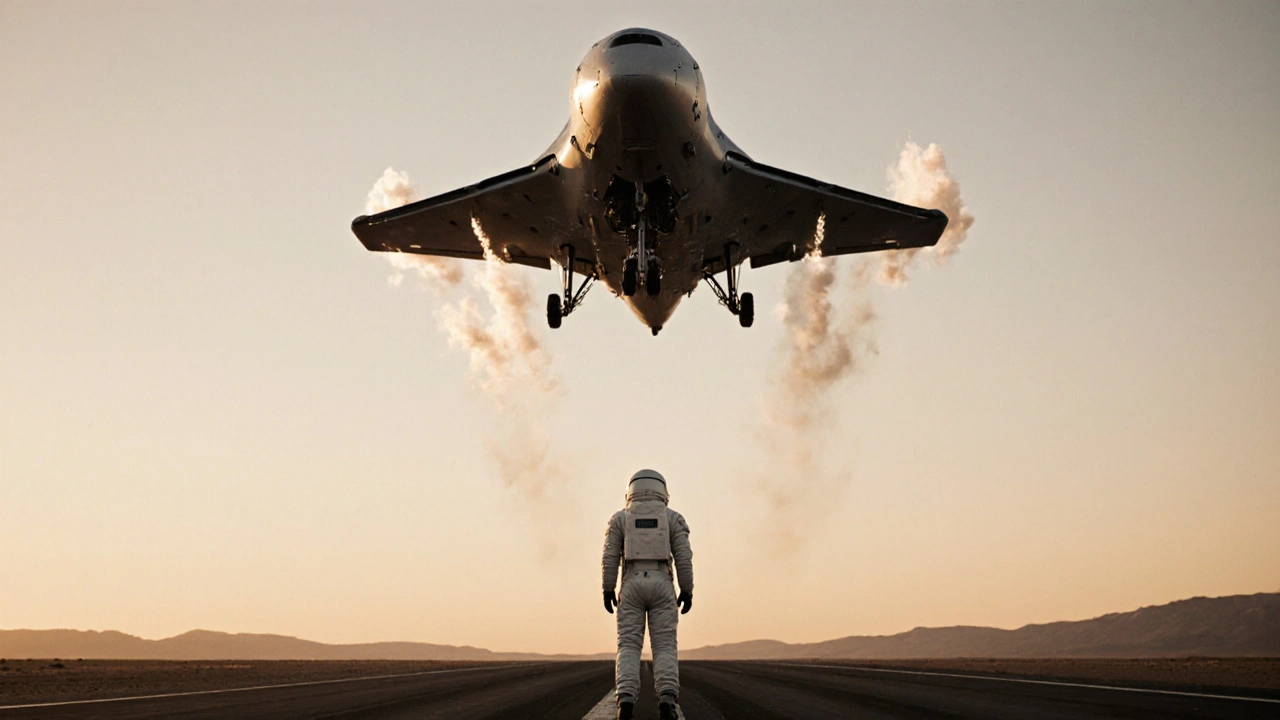
Space travel insurance covers death and permanent injury during commercial spaceflight, but excludes medical care, long-term health effects, and most common risks. Premiums are high, coverage is limited, and claims have never been paid.
Learn More