
When you own cryptocurrency, access a secure account, or sign a digital document, you’re using something called a private key, a unique, secret cryptographic code that proves you own something digital without revealing it to anyone else. Also known as a secret key, it’s the one thing that can’t be reset, recovered, or replaced—if you lose it, you lose access forever. Think of it like the only key to a safe deposit box that no bank holds a copy of. No customer service line, no password reset, no ‘I forgot my key’ option. Just you and that string of letters and numbers.
Every private key, a 256-bit random number generated mathematically has a matching public key, a derived code that can be shared openly to receive transactions or verify signatures. Together, they form a pair used in encryption systems like those behind blockchain, a distributed ledger that records transactions using cryptographic proofs. Your public key is your digital address—like an email you can give out. Your private key is the password that lets you send money from that address. Without it, your Bitcoin, Ethereum, or any other asset is locked away forever.
This system powers everything from crypto wallets to secure email, software updates, and even some government IDs. It’s the reason your phone can verify you’re you without storing your fingerprint on a server. The math behind it is unbreakable—not because it’s hidden, but because it’s designed to be impossible to reverse. That’s why digital security, the practice of protecting data using cryptographic methods relies so heavily on keeping private keys truly private.
You’ll find posts here that explain how private keys work inside Bitcoin’s blockchain, how they’re stored in hardware wallets, and why even a single typo in copying one can erase thousands of dollars. You’ll also see how companies like SpaceX and NASA use similar cryptographic methods to secure satellite commands and protect mission data from tampering. Whether you’re holding crypto, managing a satellite network, or just trying to understand why your online accounts need two-factor auth, the private key is the silent guardian behind it all. What you do with it matters more than you think.
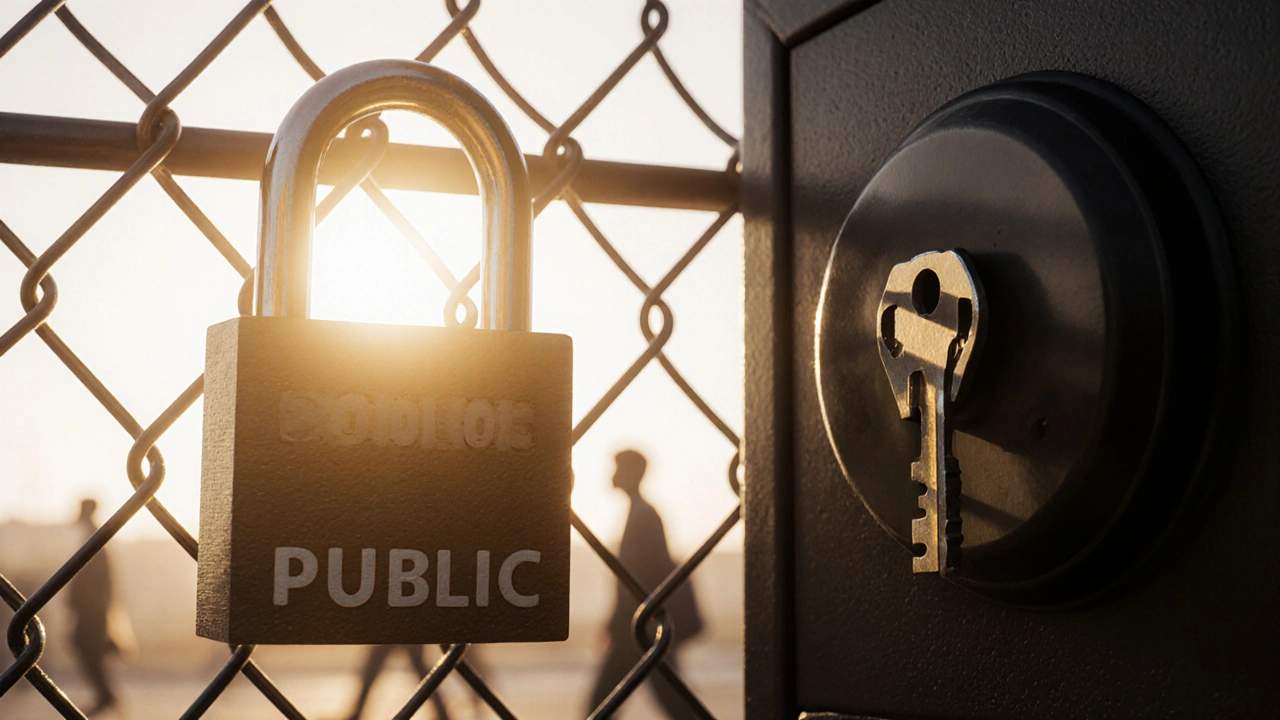
Private and public keys enable secure communication online by using math-based encryption. One key locks data, the other unlocks it-no sharing needed. Learn how they protect your emails, bank logs, and crypto wallets.
Learn More