
When we talk about NASA Mars architecture, the integrated plan for sending humans to Mars, including vehicles, habitats, life support, and resource use. It’s not just a list of missions—it’s the entire system needed to keep people alive, working, and coming home from another planet. This isn’t science fiction. It’s a detailed engineering blueprint being built right now, using lessons from the International Space Station, lunar landing tests, and decades of robotic exploration.
The in-situ resource utilization, the process of using materials found on Mars to build supplies and fuel. It’s the core idea behind cutting mission costs and making long stays possible. Instead of hauling everything from Earth, NASA plans to turn Martian soil into water, oxygen, and even building materials. That’s why research on lunar landing pads, using heat to fuse regolith into stable surfaces. This same tech is being adapted for Mars to prevent dust storms from swallowing landers. Without this, every mission would be a gamble with dust clogging filters, damaging equipment, and choking habitats.
It’s not just about landing. It’s about staying. That means radiation shielding, reliable power, and systems that don’t break down after six months. NASA’s testing everything from lava tube habitats, natural underground tunnels on Mars that offer built-in protection from radiation and meteorites. These could become the first safe homes for astronauts. And it’s not just NASA—private companies are building parts of this system too, from reusable rockets that deliver cargo to advanced life support that recycles air and water with near-perfect efficiency.
What you’ll find in this collection isn’t just news about upcoming launches. It’s the real engineering behind the dream: how we’ll drill for water, how we’ll cool sensors on Mars rovers, how software keeps robots working together, and why materials science is the silent hero making all of this possible. These posts show you the tools, the trade-offs, and the tiny breakthroughs that turn a bold idea into a working plan.
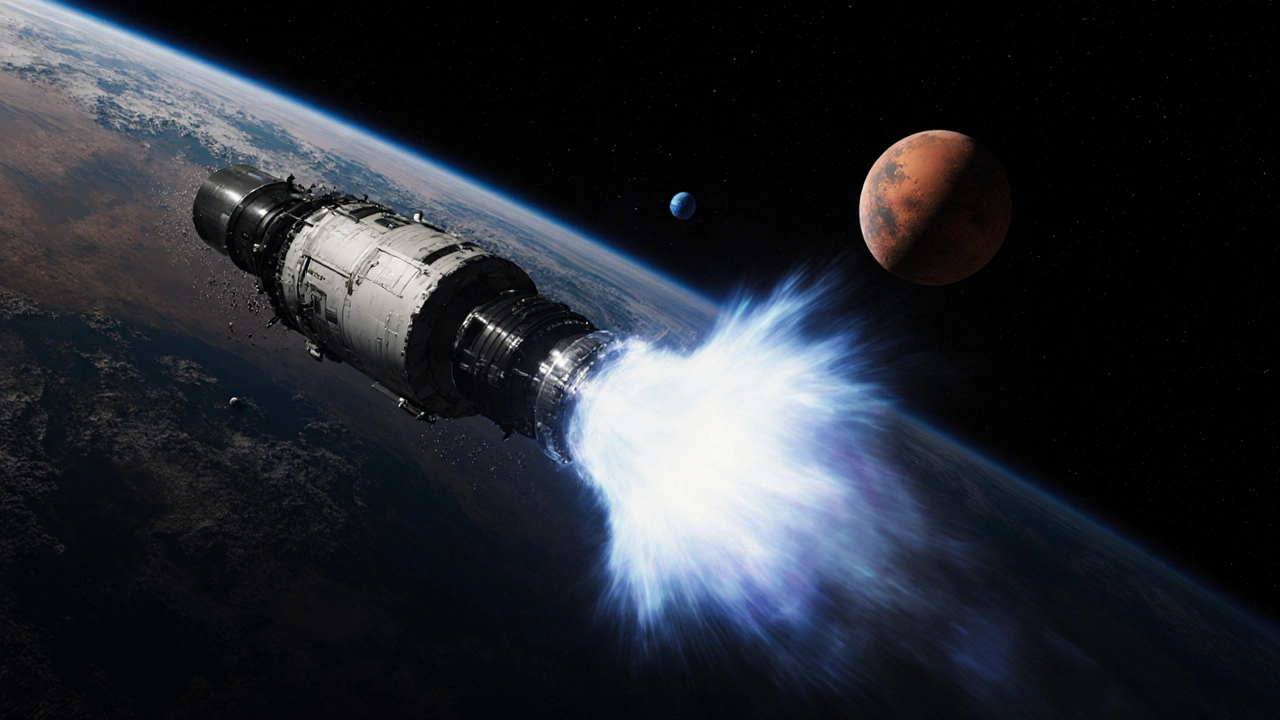
NASA's Human Mars Mission Architecture outlines how to transport astronauts to Mars and keep them alive on the surface using nuclear power, split-mission logistics, and advanced landing systems - all tested first on the Moon.
Learn More