
When you think about surviving in space, you might picture spacesuits or rockets—but the real hero is ECLSS, Environmental Control and Life Support System. Also known as life support systems, it’s the quiet, relentless machine that turns urine into drinking water, scrubs CO2 from the air, and keeps the temperature stable inside the ISS. Without ECLSS, astronauts wouldn’t last more than a few hours. This isn’t just about comfort—it’s about physics. In a sealed metal tube floating in vacuum, every breath, every drop of sweat, every waste product has to be captured, cleaned, and reused. NASA doesn’t have the luxury of running out of air or water. That’s why ECLSS is designed to recycle over 98% of the water on board, and why every component is built to fail-safe.
ECLSS doesn’t work alone. It relies on a network of subsystems that talk to each other like organs in a body. The Water Recovery System, a core part of ECLSS that recycles urine and humidity into clean water, works hand-in-hand with the Carbon Dioxide Removal Assembly, which uses chemical scrubbers to pull CO2 out of the cabin air. Then there’s the Oxygen Generation System, which splits water into breathable oxygen and hydrogen. These aren’t sci-fi gadgets—they’re real, tested, and constantly monitored by sensors that alert engineers on the ground if anything goes off by even a fraction of a percent. It’s this level of precision that lets astronauts stay alive for months, and why these same systems are being scaled up for future Moon bases and Mars missions.
What you won’t see are the backups. ECLSS has redundancy built into every valve, pump, and filter. If one water recycler fails, another kicks in. If a CO2 scrubber gets clogged, a spare takes over. And if the power goes out? Batteries and manual overrides keep things running long enough for ground teams to respond. This isn’t just engineering—it’s survival design. The same tech that keeps the ISS alive is the reason we’re even talking about sending humans to Mars. You can’t bring enough air and water for a two-year trip. You have to make it from what you’ve got. That’s the real challenge of space exploration: not getting there, but staying alive once you do.
Below, you’ll find deep dives into how these systems actually work, what happens when they glitch, and how they’re being improved for the next generation of space travelers. From water recycling on the ISS to the next-gen life support for lunar outposts, this collection covers the unsung tech that keeps humans breathing in the void.
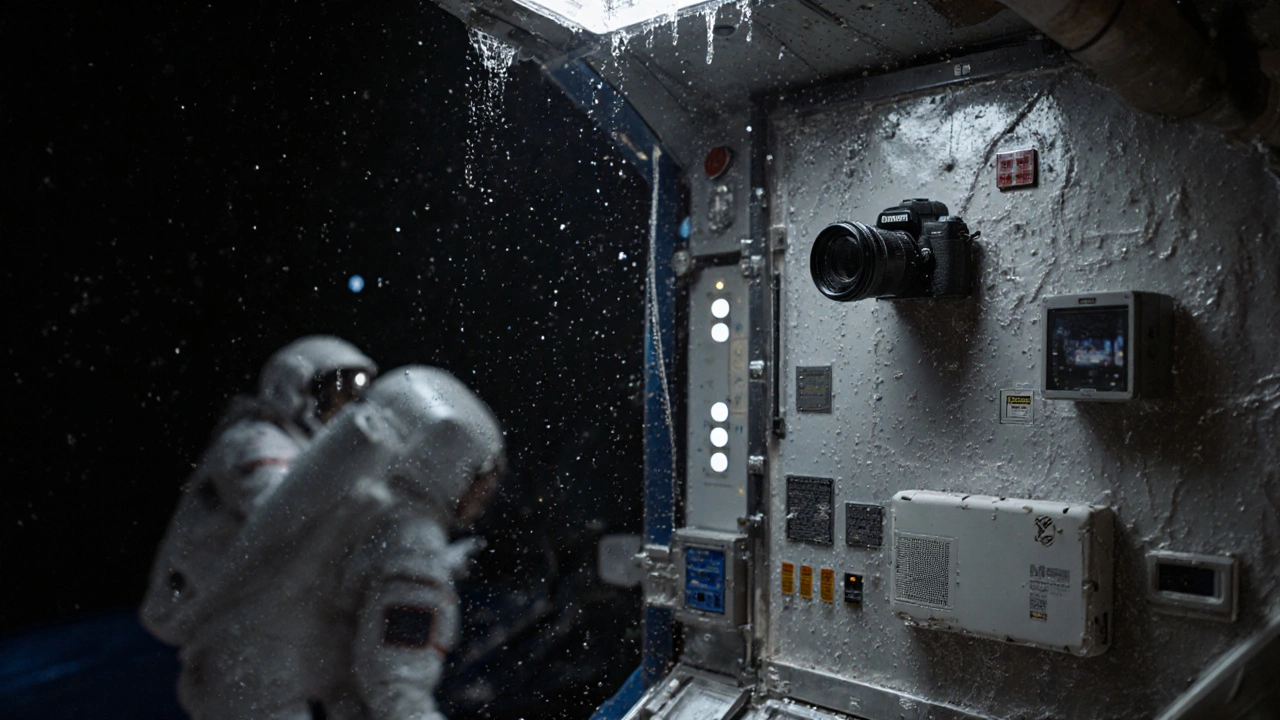
Spacecraft humidity control keeps astronauts safe by preventing condensation, protecting electronics, and recycling sweat into drinking water. Learn how NASA and private companies are making life support systems smarter and more efficient.
Learn More