
When you hear cryptocurrency rewards, earnings you receive for helping secure or operate a blockchain network. Also known as blockchain incentives, they’re how users get paid for doing work that keeps networks like Bitcoin and Ethereum running. These aren’t bonuses—they’re the engine that powers decentralized systems. Without rewards, no one would bother running nodes, validating transactions, or locking up their coins. It’s simple economics: you contribute, you get paid—in crypto.
There are three main ways to earn these rewards. The first is crypto mining, using powerful computers to solve complex math problems and add new blocks to a blockchain. Bitcoin still uses this method, but it’s energy-heavy and mostly done by big farms now. The second is staking rewards, locking up your crypto to help validate transactions on proof-of-stake networks. Ethereum switched to this in 2022, and now you can earn 3–6% yearly just by holding and staking ETH. The third is DeFi yield, lending or pooling crypto in smart contracts to earn interest or trading fees. Platforms like Aave and Uniswap pay you in tokens just for letting others use your assets. These aren’t bank interest—they’re protocol incentives, and they come with real risks.
What ties all these together? Cryptocurrency rewards exist because blockchains need participants. No central authority pays you. Instead, the network itself, coded in open software, distributes new coins or fees to those who help keep it secure and functional. That’s why you can’t just sign up and get rich—you need to understand how the system works. Some rewards are stable, like staking on Ethereum. Others, like yield farming on new DeFi apps, can pay 50% a year—or vanish overnight if the code has a flaw.
Look at the posts below. You’ll find deep dives into how Merkle trees secure transactions, how yield farming actually generates returns, and how private keys protect your earnings. You’ll also see how blockchain tech connects to real-world systems like GPS and satellite networks. This isn’t just about money. It’s about trust, math, and infrastructure—and how ordinary people can play a role in shaping the next internet.
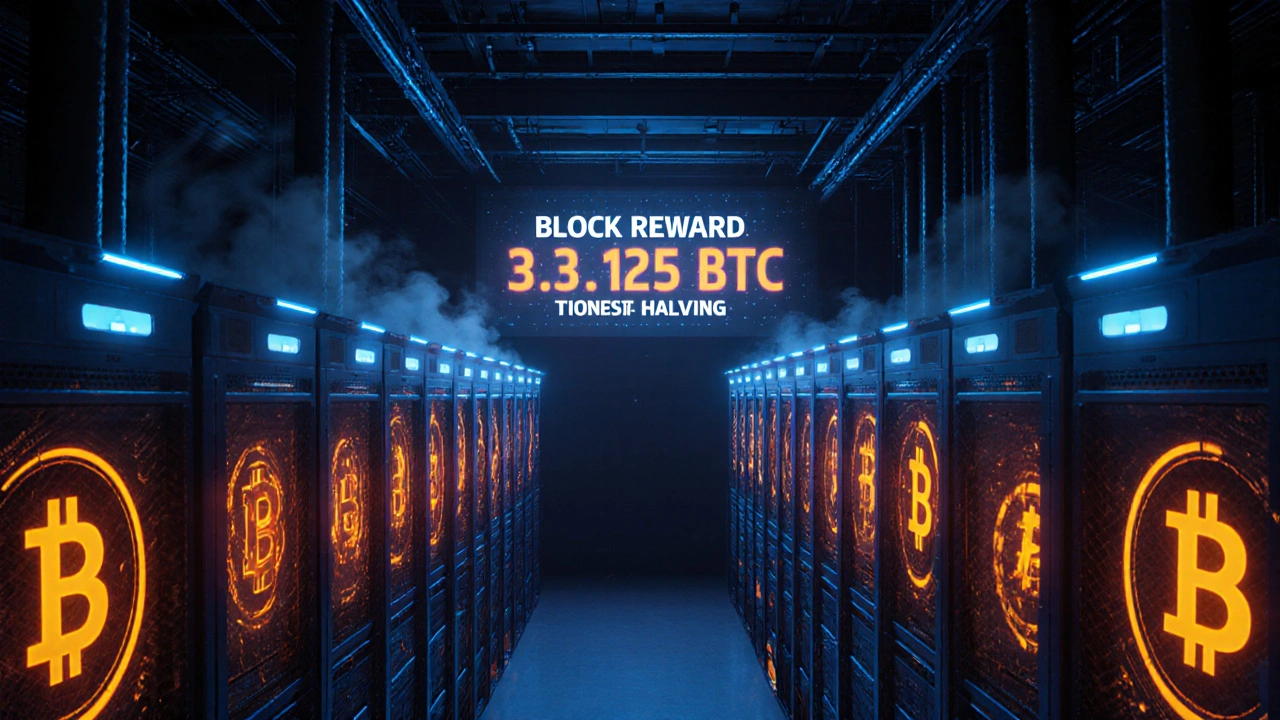
The block reward is how new Bitcoin is created and miners are paid. It halves every four years, making Bitcoin scarce. As of 2025, it's 3.125 BTC per block. This system ensures Bitcoin's supply is predictable and limited.
Learn More