
At its core, blockchain, a distributed digital ledger that records transactions across many computers so that any involved record cannot be altered retroactively. Also known as distributed ledger technology, it’s the reason Bitcoin exists without a bank—and why secure space missions now rely on it too. You don’t need to be a coder to get it: think of it like a public notebook everyone can see but no one can erase. Every new entry gets locked in with math, not passwords. That’s what makes it perfect for tracking who owns what, when, and where—even in space.
It’s not just about Bitcoin, a decentralized digital currency that uses blockchain to verify and record transactions without a central authority. Also known as digital gold, it’s built on a system where new coins are created through block reward—a fixed payment given to miners every time a new block is added. As of 2025, that’s 3.125 BTC per block, halving every four years. This isn’t magic—it’s code, and it’s the same kind of math that protects your public key, a cryptographic identifier used to receive encrypted data or verify digital signatures. Also known as crypto address, it’s how your wallet knows who sent you Bitcoin, and how satellites confirm they’re talking to the right ground station.
Blockchain’s real power isn’t in speculation—it’s in trust. Space agencies and private companies are starting to use it to log satellite data, track launch components, and even secure communications between orbiting fleets. When a satellite sends back science data, blockchain can prove it hasn’t been tampered with. When a rocket part is manufactured, its entire history can be stored on-chain. It’s not sci-fi—it’s happening now, quietly, behind the scenes.
And here’s the thing: you don’t need to buy Bitcoin to benefit from blockchain. The same principles that keep your crypto safe are the same ones that keep your GPS signal accurate, your satellite internet secure, and your space mission data untampered. Whether it’s a lunar lander verifying its landing coordinates or a private astronaut signing off on a medical log, blockchain provides a way to say, "This is real, and no one changed it."
What you’ll find below isn’t a list of crypto hype—it’s a curated collection of real, technical posts showing how blockchain’s core ideas show up in space tech, from Bitcoin’s block reward to the public keys that protect your data in orbit. No fluff. Just how it works, why it matters, and where it’s headed next.
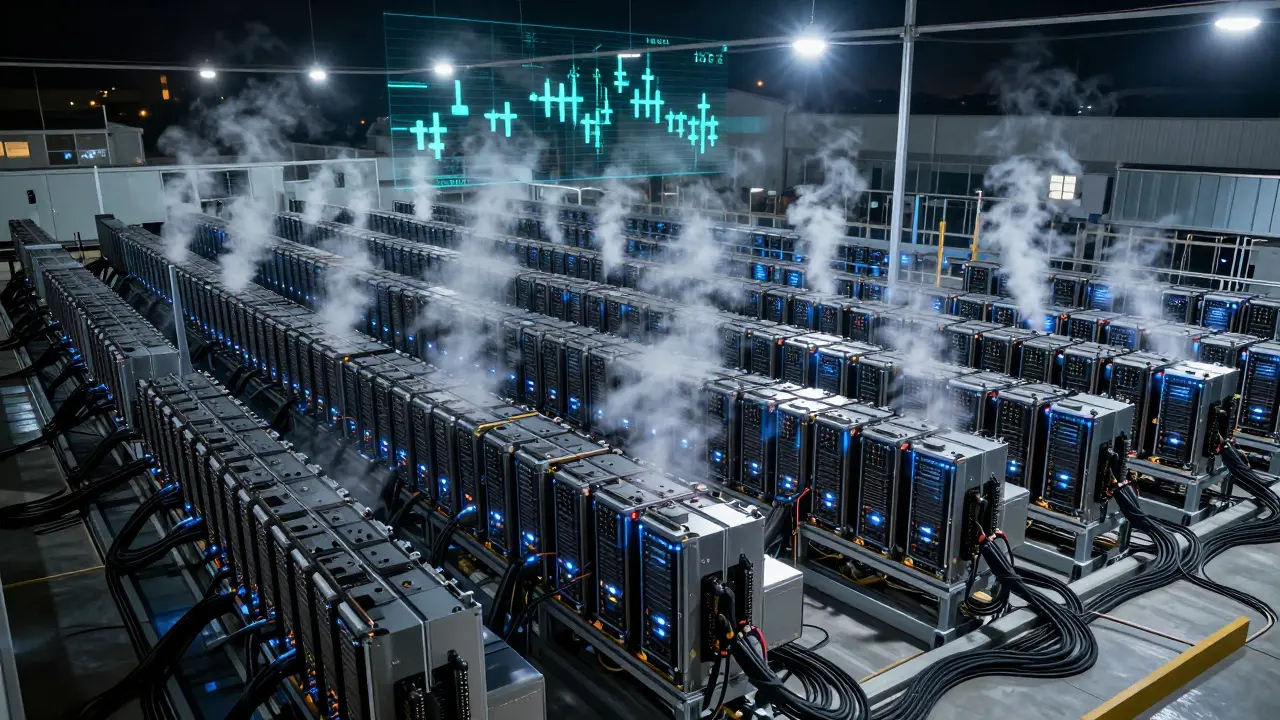
Bitcoin mining secures the network by validating transactions and adding blocks to the blockchain using Proof of Work. Miners compete to solve cryptographic puzzles with ASIC hardware, earning Bitcoin rewards. Learn how difficulty adjustments, block rewards, and mining pools keep the system running.
Learn More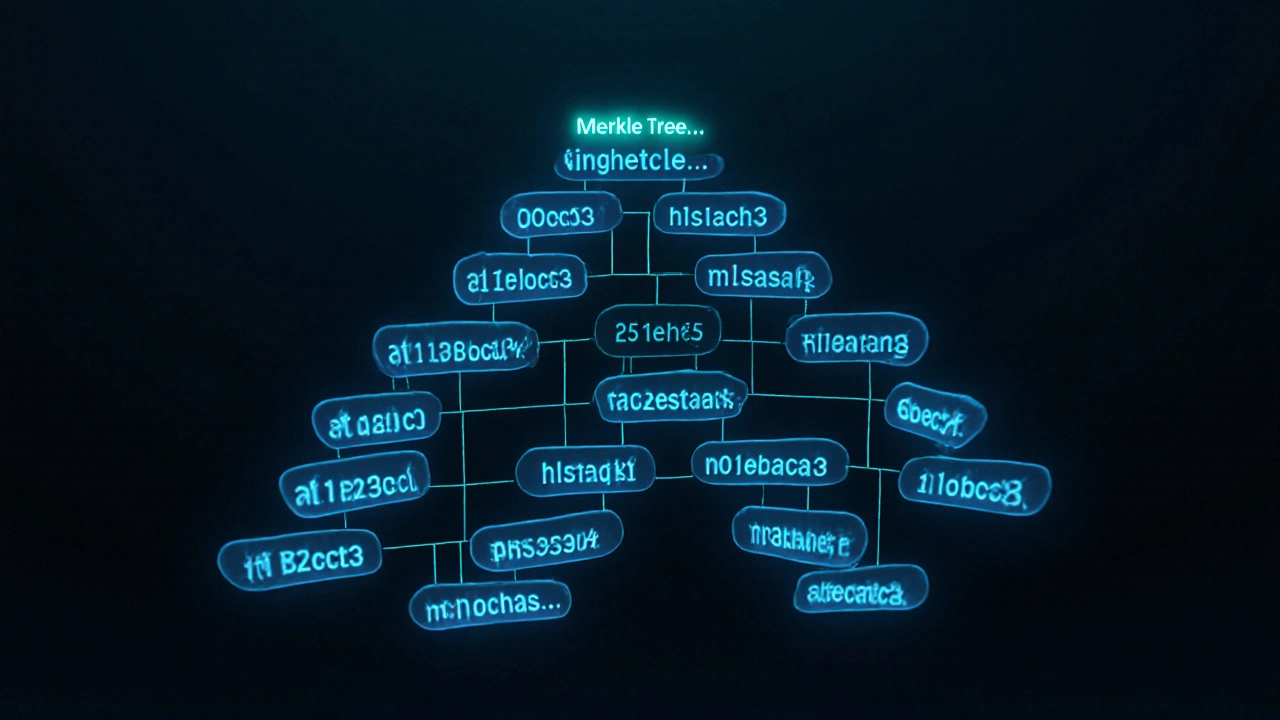
A Merkle tree is a cryptographic structure that lets blockchains verify thousands of transactions instantly using just one hash. It’s the reason your phone wallet can check your balance without downloading the whole blockchain.
Learn More