
When you hear about block reward, the incentive given to miners for adding a new block to a blockchain. It's the engine behind Bitcoin and dozens of other cryptocurrencies—without it, the network wouldn't function. Think of it like a digital paycheck: every time someone solves a complex math problem to verify transactions, they earn new coins. This isn’t just a bonus—it’s how new cryptocurrency enters circulation and how the network stays secure.
The blockchain, a decentralized digital ledger that records transactions across many computers. It's the foundation of Bitcoin and other crypto systems. relies on block rewards to keep miners motivated. Miners use powerful hardware to compete in solving cryptographic puzzles, and the first to succeed gets the reward. This process, called mining, the computational work that validates transactions and secures the blockchain. ensures no single entity can control the network. The system is designed so rewards slowly decrease over time—Bitcoin’s reward started at 50 BTC per block and has halved multiple times. Today, it’s 3.125 BTC, and it’ll keep dropping until all 21 million coins are mined.
Block rewards aren’t just about new coins. They’re also tied to cryptocurrency, digital money that uses cryptography for security and operates independently of banks. security. If miners stopped getting paid, they’d quit, and the network could be attacked. The reward keeps the system honest. Even as transaction fees grow, the block reward remains the backbone of incentive structure. You’ll see this play out in Bitcoin, but also in lesser-known chains that copy its model.
What you’ll find in the posts below aren’t just explanations—they’re real breakdowns of how these systems work in practice. From how block reward changes affect Bitcoin’s price, to how mining hardware evolves to chase smaller payouts, to why some blockchains are ditching mining entirely—this collection cuts through the noise. You’ll get clear, no-fluff insights into what keeps crypto running under the hood, and why it matters whether you’re holding coins or just curious about the tech.
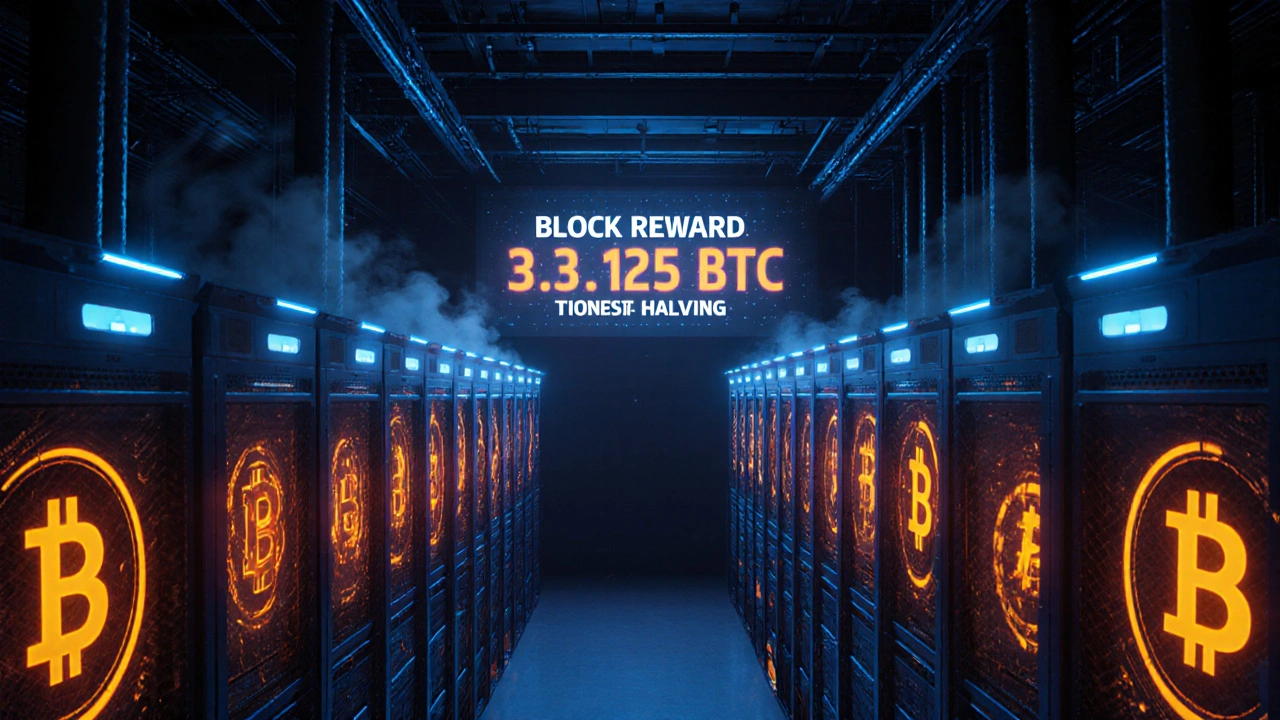
The block reward is how new Bitcoin is created and miners are paid. It halves every four years, making Bitcoin scarce. As of 2025, it's 3.125 BTC per block. This system ensures Bitcoin's supply is predictable and limited.
Learn More