
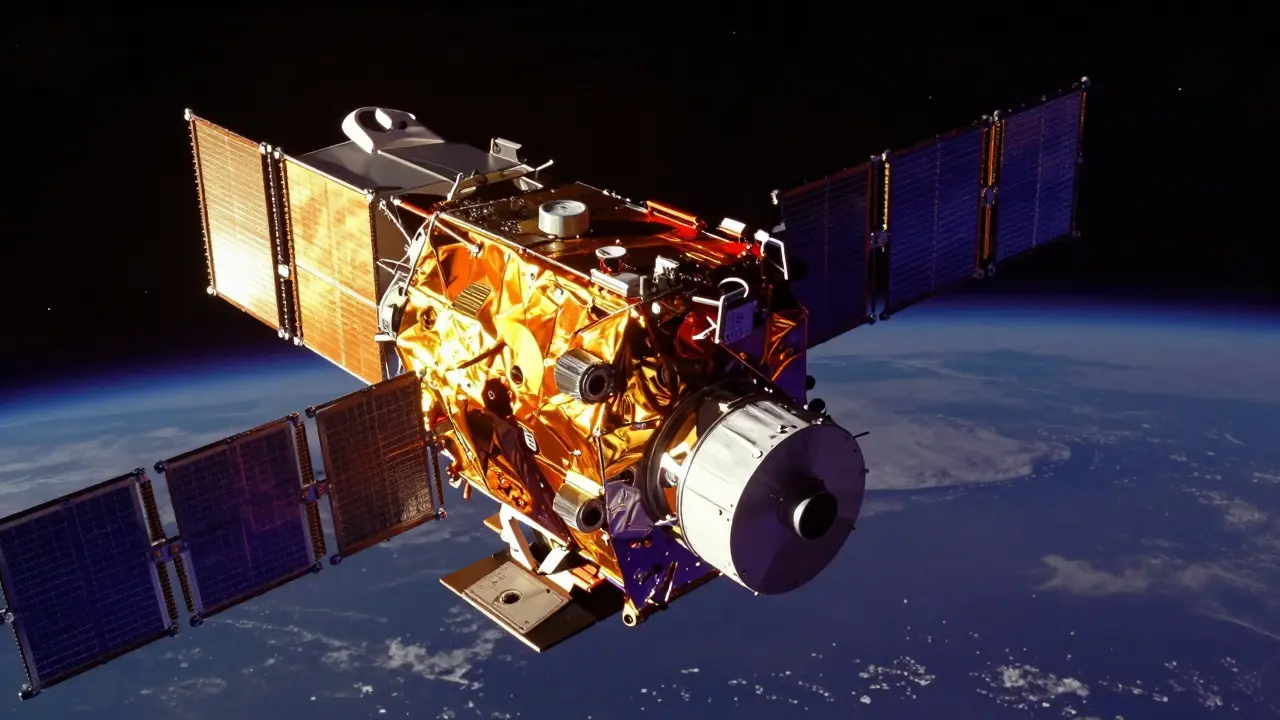
Why Temperature Matters in Space
Space is a paradoxically hostile environment for electronics: direct sunlight heats surfaces to +120°C while shadowed areas plummet to -150°C. This isn't just uncomfortable-it destroys unshielded equipment within hours. Consider what happened to the European Space Agency's Rosetta mission: its onboard computer failed repeatedly because solar wind radiation degraded thermal insulation layers.
The Three Laws of Satellite Thermodynamics
- Heat Collection: Electronics generate waste heat; a CPU chip can reach 85°C during operation
- Heat Transport: Aluminum heat straps move energy at 400W/m² to radiating surfaces
- Heat Rejection: White-coated radiators shed excess heat via infrared radiation (emissivity ε=0.85 optimal)
Passive vs Active Cooling Showdown
| Feature | Passive Systems | Active Systems |
|---|---|---|
| Power Consumption | Zero watts | 50-300W typical |
| Weight Penalty | Low (~0.5kg/m³) | High (~5kg/m³) |
| Mission Profile | LEO constellations | Deep space probes |
Redwire Space revolutionized small satellite design by stacking phase-change thermal storage units between components. These paraffin-based panels absorb peak heat loads before releasing them gradually over orbital night cycles.
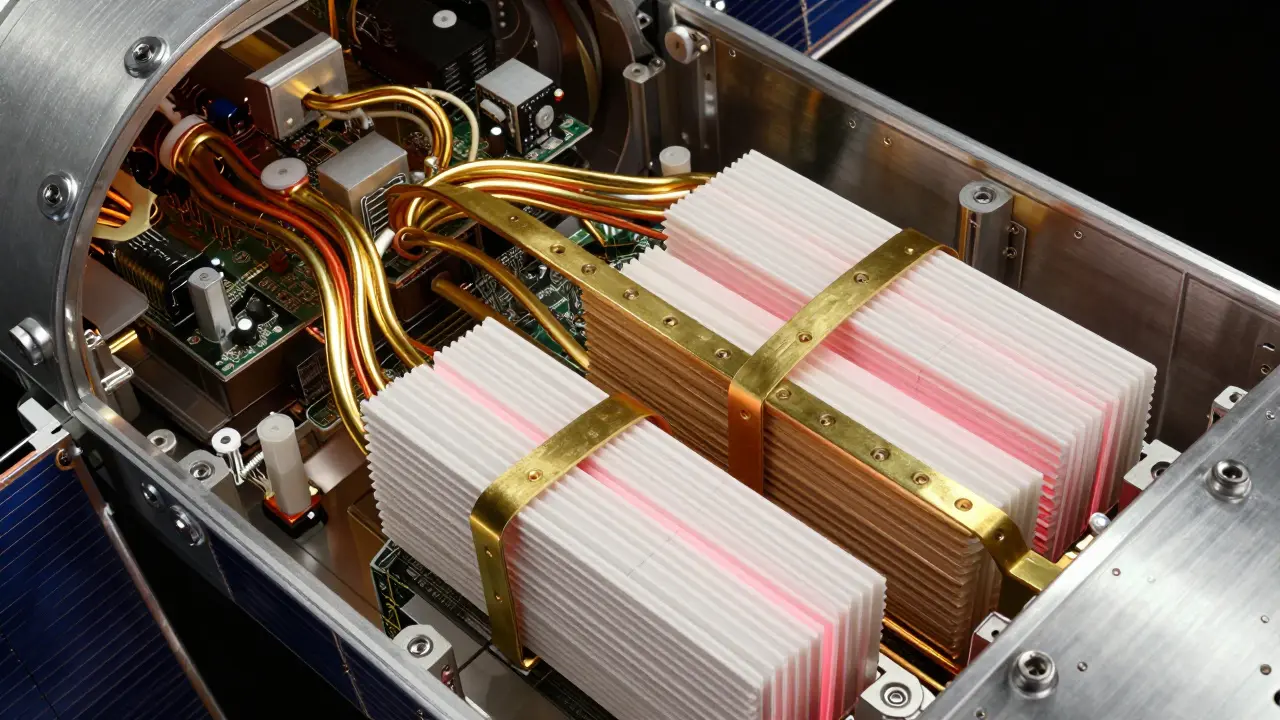
The Unsung Heroes: Radiators and Reflectors
Imagine trying to cool your phone by pointing it toward deep space-that's essentially how spacecraft radiators work. Modern optical solar reflectors (OSR) achieve solar absorptivity α=0.18 while maintaining high IR emissivity. Compare this to standard black paint where α=ε=0.95, trapping dangerous heat during equinox seasons.
When Small Satellites Break the Rules
CubeSat engineers face unique challenges. Traditional radiators occupy too much volume, forcing creative solutions like deployable fin arrays that unfurl after launch. Remember the NASA CubeSat Thermal Challenge? They achieved ±5°C stability using only 12g graphite foam and vapor chambers-the entire mass of two USB drives.
Emerging Tech Beyond Basic Insulation
- Nanofluid loops: Silver-water mixtures transfer heat 3× more efficiently than conventional fluids
- Vacuum gap louvers: Automatically adjust aperture based on internal temperature sensors
- Metamaterial heat shields: Engineered structures block 99% of solar flux across 0.3-2μm wavelengths
Lessons from Near-Misses
The 2023 Starlink batch failure wasn't caused by propulsion issues but undetected radiator icing. When ice crystals formed during atmospheric passage, effective emissivity dropped by 40%. Modern manufacturers now integrate humidity-sensitive coatings that activate electrostatic dispersal fields during cryogenic exposure.
Your Satellite Temperature Checklist
- Audit all heat-generating components (>10W requires dedicated conduction paths)
- Calculate worst-case orbital beta angles every season
- Design redundant TCS paths-single points fail during micrometeoroid impacts
- Test thermal vacuum chambers up to 10⁻⁶ torr pressure levels
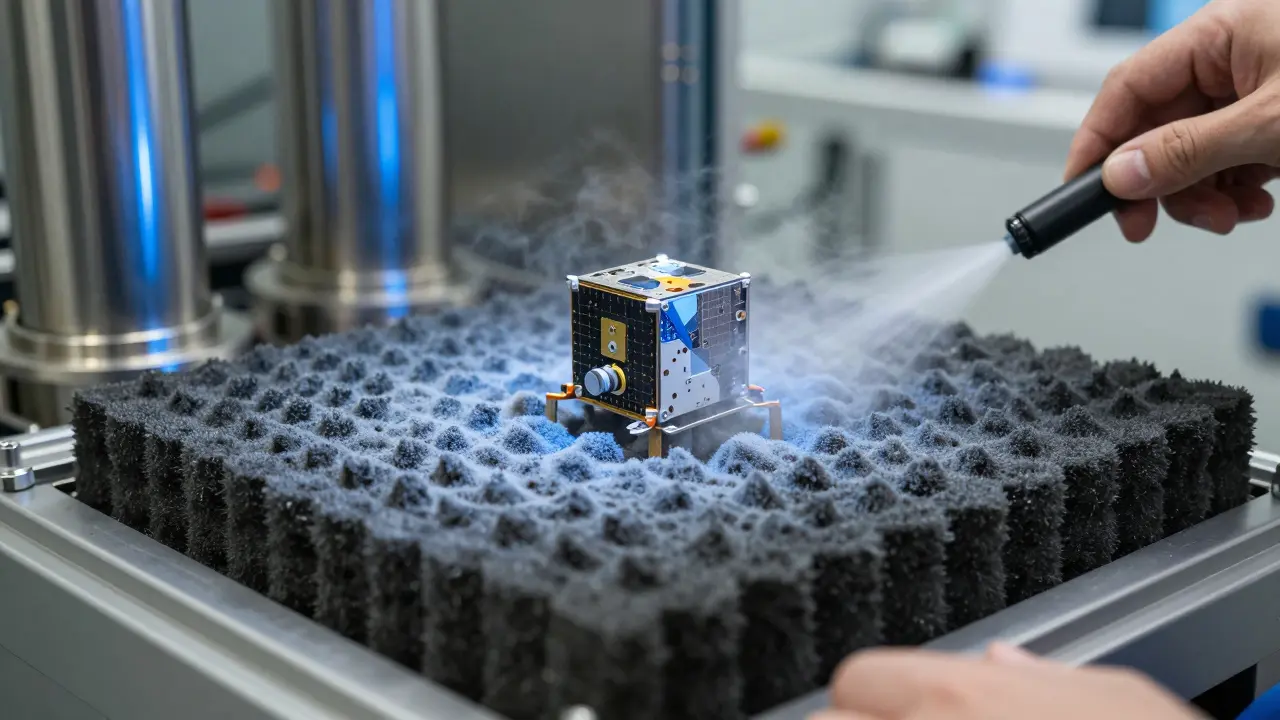
- Include ground verification using liquid nitrogen spray simulations
What kills satellites faster-overheating or freezing?
Overheating damages 63% of commercial LEO satellites according to ESA data. Lithium-ion batteries degrade permanently above 45°C, while optics misalign at temperatures beyond ±2°C from calibration point.
How do lunar missions handle permanent shadows?
Artemis landers use radioactive decay heaters (Pu-238 fuel cells) maintaining minimum 12K warmth at Shackleton Crater sites. Unlike Earth-orbit, these require shielding against both extreme cold AND sudden solar flares.
Can old thermal paint still be trusted?
Z93 white paint maintained performance through Hubble Telescope's 30-year lifespan, but modern alternatives offer better UV resistance. Newer fluoropolymer composites show <2% degradation after 2 million electron-radiation cycles.
Do all satellites need radiators?
Only those generating >5W/kg. Low-power communication cubesats often dissipate heat directly through aluminum chassis walls-but this increases structural fatigue risk over time.
How fast can temperatures shift during orbit transitions?
From full sun to eclipse boundary causes 70°C swings within 4 minutes on polar orbits. This creates metal expansion stresses exceeding material yield strength-requiring flexible thermal interfaces at every joint.
14 Responses
It is absolutely mind-blowing to consider how fragile these machines actually are out there. The Rosetta mission failure really puts things in perspective for all of us engineering enthusiasts. You can read about the thermal insulation degradation and feel the weight of those lost opportunities. Heat collection seems so simple until you try to move that energy around efficiently. The numbers regarding CPU chips reaching eighty-five degrees Celsius are terrifyingly high. Imagine holding something that hot while floating in a vacuum without air to cool it down. Transport methods like aluminum straps moving four hundred watts per square meter sound almost magical. Rejection systems relying on white coatings are the unsung heroes keeping everything running smoothly. Seeing the comparison table for power consumption makes the trade-offs incredibly clear. Zero watts for passive systems is definitely the dream goal for everyone involved. Active systems drawing three hundred watts typical would drain batteries quickly during long missions. The Redwire Space innovation with phase-change storage units sounds revolutionary for smaller satellites. Paraffin panels absorbing peak loads before releasing them gradually is pure genius engineering logic. Optical solar reflectors achieving such low solar absorptivity values are truly impressive feats. Comparing this to standard black paint trapping dangerous heat during equinox seasons highlights the progress made. We should all appreciate the engineers working on nanofluid loops transferring heat three times more efficiently. Silver-water mixtures seem like the kind of breakthrough we always hope for in aerospace design. Vacuum gap louvers adjusting aperture based on internal sensors automate the survival process perfectly. The Starlink batch failure due to undetected radiator icing was a crucial lesson learned recently. Effective emissivity dropping by forty percent when ice crystals formed shows the fragility of the environment. Modern manufacturers integrating humidity-sensitive coatings now represent a necessary evolution of technology. Electrostatic dispersal fields during cryogenic exposure are exactly what we need to prevent future losses. Every season requires auditing all heat-generating components above ten watts according to safety guidelines. Calculating worst-case orbital beta angles ensures nothing gets overlooked during critical phases. Design redundant paths because single points of failure happen during micrometeoroid impacts unexpectedly. Testing thermal vacuum chambers up to ten to the negative sixth torr pressure levels verifies integrity. Ground verification using liquid nitrogen spray simulations mimics the harsh reality of outer space conditions. Overheating damages commercial LEO satellites at alarming rates shown by ESA data reports. Lithium-ion batteries degrading permanently above forty-five degrees means strict thermal limits exist. Optics misalign at temperatures beyond positive or negative two degrees from calibration points easily. Lunar missions handling permanent shadows with radioactive decay heaters show another dimension of survival. These require shielding against both extreme cold and sudden solar flares simultaneously. It gives me so much confidence knowing humanity pushes these boundaries despite the risks.
Thermodynamic laws remain non-negotiable regardless of design preferences.
One must consider the profound implications of thermal control systems upon our understanding of entropy. The balance between heat collection and rejection represents a microcosm of universal equilibrium principles. Such engineering marvels demonstrate our capacity to impose order upon chaotic environmental forces.
People always forget the basics when reading about fancy new tech. Simple physics beats complex solutions every single time on this planet.
this info is kinda sus about the starlink part real experts know better than to blame icing for the failure though i guess average folks believe anything posted online without checking facts properly
While skepticism is healthy the data regarding radiator icing aligns perfectly with known material properties under cryogenic stress. Those electrostatic dispersal fields sound like a symphony of microscopic currents conducting safety protocols. Perhaps we should visualize the paraffin panels as sponges soaking up stellar fire before dripping it back into the void. It feels like watching alchemy turn basic wax into guardian shields for delicate electronics navigating the dark ocean.
nice breakdown of how cubeSats manage their heat with deployable fins since volume is always so limited for those tiny boxes. really cool that graphie foam worked for mass constraints
Deployable fins fail more often than standard fixed surfaces according to my own private testing notes anyway. The reliability metrics never match simulation data for unfolding mechanisms in zero gravity environments.
The section on lunar missions using Pu-238 fuel cells is wild honestly 🔋🌙 keeping warm at Shackleton Crater sounds like science fiction coming true soon enough! 🚀
Your grammatical structure regarding the plutonium source term was slightly ambiguous in the final paragraph. The decision to utilize radioactive materials over cleaner electric heating methods for landers remains suspicious given budget transparency issues. Claims regarding solar flares hide the fact that radiation shielding costs are too high for public disclosure usually. There is always hidden data behind these official NASA thermal management statistics released to civilians.
American engineers built the original Hubble thermal coating that lasted thirty years which proves superior domestic capability. Z93 white paint maintained performance through decades unlike European alternatives failing prematurely. USA leads the way in thermal shield development while others lag behind with inferior composite designs. Our companies produce better fluoropolymer composites showing five watts per kilogram efficiency gains.
One might argue that material fatigue risks increase with direct chassis dissipation strategies mentioned in the post. Structural integrity concerns cannot be ignored when aluminum walls carry excessive thermal load cycles repeatedly.
Everyone knows the real reason satellites fail is secret military testing interfering with commercial communications networks constantly. They release technical papers to distract us from actual electromagnetic pulse weaponization occurring in orbit right now.
It appears the methodology described lacks sufficient rigorous academic validation for widespread adoption by serious research institutions globally. Although the enthusiasm is palpable the practical application remains questionable without peer-reviewed longitudinal studies supporting these claims. We must maintain intellectual standards rather than celebrating anecdotal success stories presented in popular media formats today.