
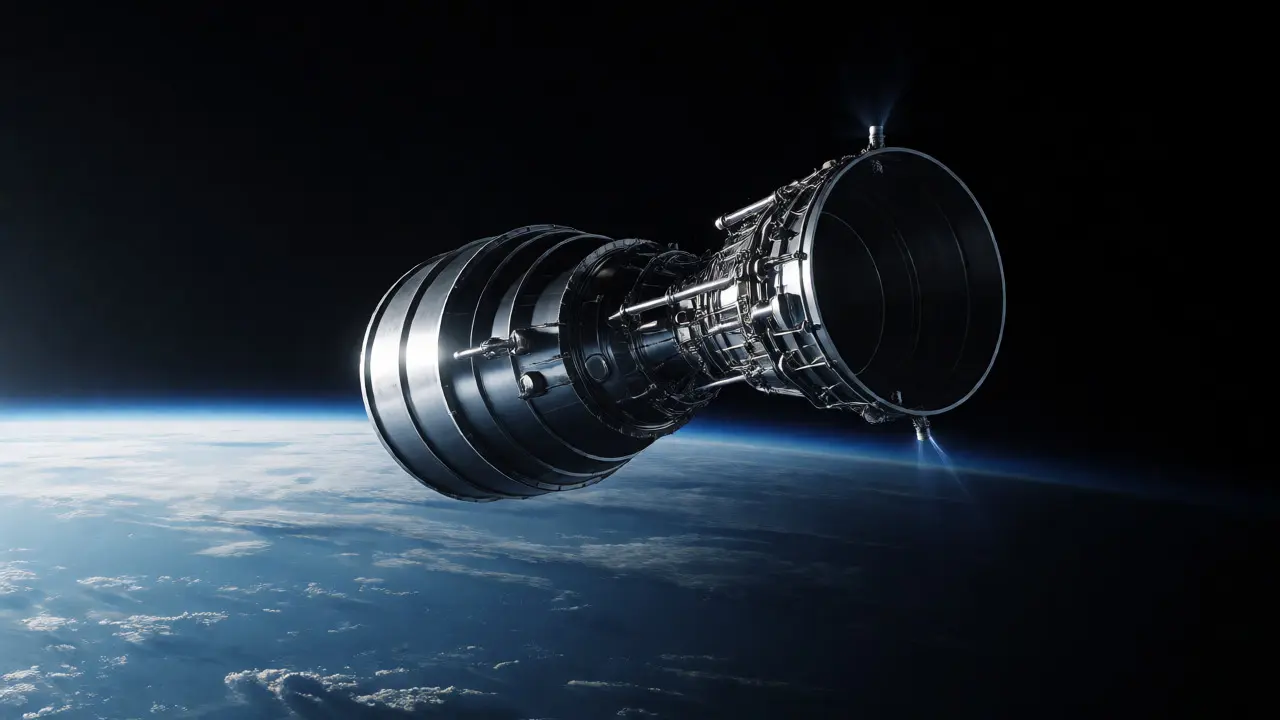
Imagine launching a satellite into space, only to realize it needs to wait three hours for the perfect orbital window before firing its main engine again. Or picture a single rocket carrying 130 tiny satellites that need to be dropped off at four different altitudes and inclinations. Without reignition capability, these missions would be impossible or prohibitively expensive. This isn't science fiction; it's the standard operating procedure for modern launch vehicles like SpaceX’s Falcon 9 and ESA’s Ariane 6. Reignition is the engineered ability of an upper-stage rocket engine to shut down, coast through space without thrust, and later start up again one or more times during the same flight. It transforms a simple energy delivery device into a maneuverable orbital vehicle, offering unprecedented flexibility for payload deployment, collision avoidance, and precise orbital insertion.
The Core Value: Why Restart Matters
Why go through the engineering headache of making an engine start twice? The answer lies in mission economics and physics. A non-restartable stage commits every payload to the same instantaneous insertion condition. If you want two satellites in different orbits, you either need two rockets or complex, heavy kick stages on the spacecraft themselves. With reignition, a single upper stage can perform separated burns. It can deploy Payload A, coast while Earth rotates beneath it, and then fire again to insert Payload B into a completely different orbit.
This capability expands launch windows significantly. Instead of launching at a specific second to hit a target orbit directly, operators can launch earlier, coast, and adjust their trajectory with a second burn. NASA’s historical records highlight that multiple restarts increase performance capability and allow longer launch windows, which is crucial for time-sensitive missions like interplanetary departures. For rideshare providers, this means higher payload utilization. You aren't just filling a tank; you're selling precise orbital placement services.
Technical Hurdles: Taming Liquid Propellants in Microgravity
Starting an engine on the ground is hard enough. Doing it in space, where gravity doesn't pull fuel to the bottom of the tank, is exponentially harder. In microgravity, liquid propellants float freely. If you try to ignite an engine immediately after shutdown, you risk sucking gas instead of liquid into the turbopump, causing cavitation and potential failure. This is known as the propellant acquisition problem.
To solve this, engineers use settling thrusters. These are small, auxiliary engines that fire briefly to create artificial acceleration, pushing the liquid propellant toward the tank outlet before the main engine starts. Another method involves capillary devices that wick liquid away from gas bubbles. For cryogenic fuels like liquid hydrogen and liquid oxygen, there’s another challenge: boil-off. During long coast phases, heat from the sun warms the tanks, turning some liquid into gas. This increases tank pressure and creates bubbles that can block feed lines. Systems like the Auxiliary Power Unit (APU) on Ariane 6’s Vinci engine manage this by maintaining tank pressure and preventing bubbles from entering the feed lines, ensuring the engine gets clean, cold liquid when it fires.
Historical and Modern Implementations
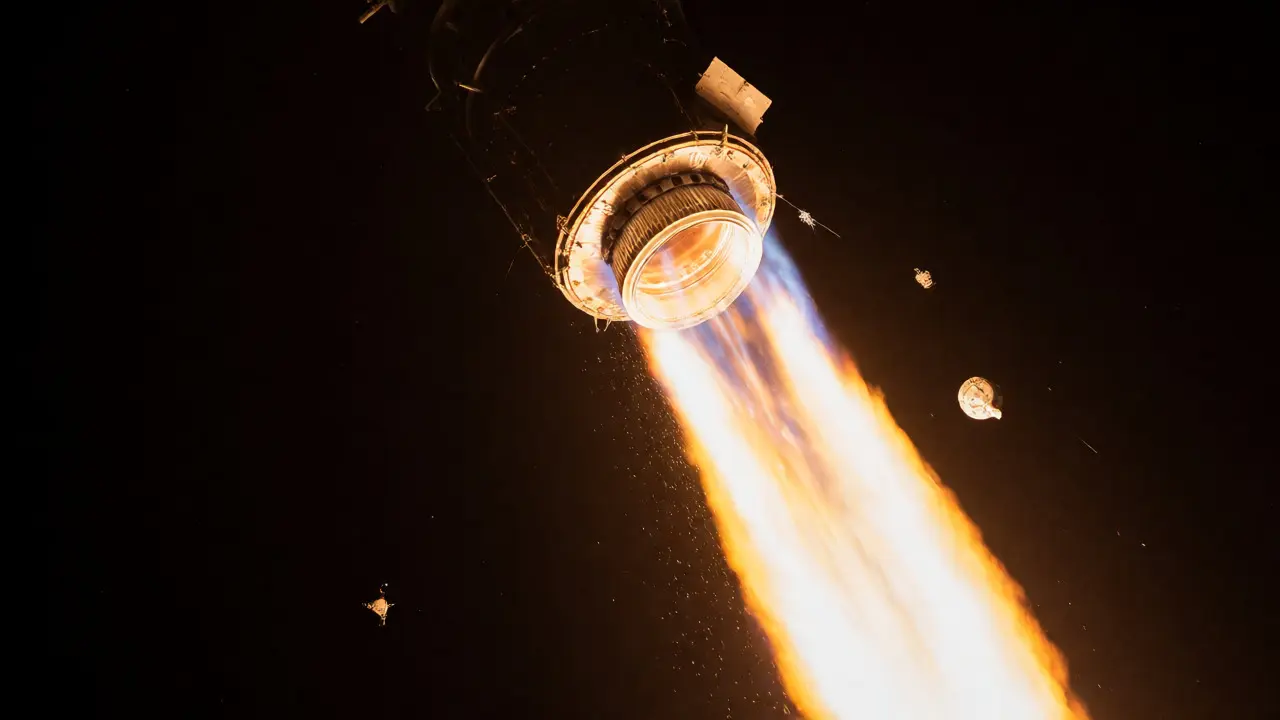
The journey of reignition began in earnest with the Atlas-Centaur program. In October 1966, the RL10 engine became the first liquid-hydrogen rocket engine successfully restarted in space. This milestone enabled coast-and-restart trajectories to other solar-system bodies, proving that humans could navigate beyond low Earth orbit. Today, several operational vehicles rely on this tech:
- Falcon 9: Uses the Merlin Vacuum second stage, capable of multiple restarts. Recent missions like Transporter-18 used a second-stage restart to deploy 130 payloads across multiple orbital-transfer vehicles.
- Ariane 6: Features the Vinci engine, a liquid-hydrogen/liquid-oxygen expander-cycle engine designed to restart up to four times. It handles multi-orbit deployments and controlled deorbiting.
- Vega-C: Employs the AVUM+ stage, using reignition to reach several orbits and deliver multiple payloads on one flight.
Looking ahead, ESA’s Vega-E project aims to push boundaries further with the M10 engine. This LOX/methane engine is under development specifically for multiple stops and restarts, targeting flights starting in 2026. While not yet flight-proven, it represents the next generation of flexible, sustainable upper stages.
Comparing Propulsion Architectures
Not all engines can restart. Solid rocket motors, common in boosters, offer high thrust and simplicity but generally cannot throttle or restart once ignited. They burn continuously until exhausted. Liquid engines, however, offer the best combination of throttleability, shutdown, and restart. Hybrid systems sit in between, potentially allowing restart by controlling oxidizer flow, though they face challenges with combustion stability and ignition repeatability.
| Propulsion Type | Restart Capability | Throttle Control | Complexity | Best Use Case |
|---|---|---|---|---|
| Solid Motor | None (typically) | No | Low | Boosters, simple single-burn missions |
| Liquid Engine | High (Multiple) | Yes | High | Precise orbital insertion, rideshares, deep space |
| Hybrid Motor | Moderate | Partial | Medium | Emerging tech, experimental missions |
Risks and Limitations
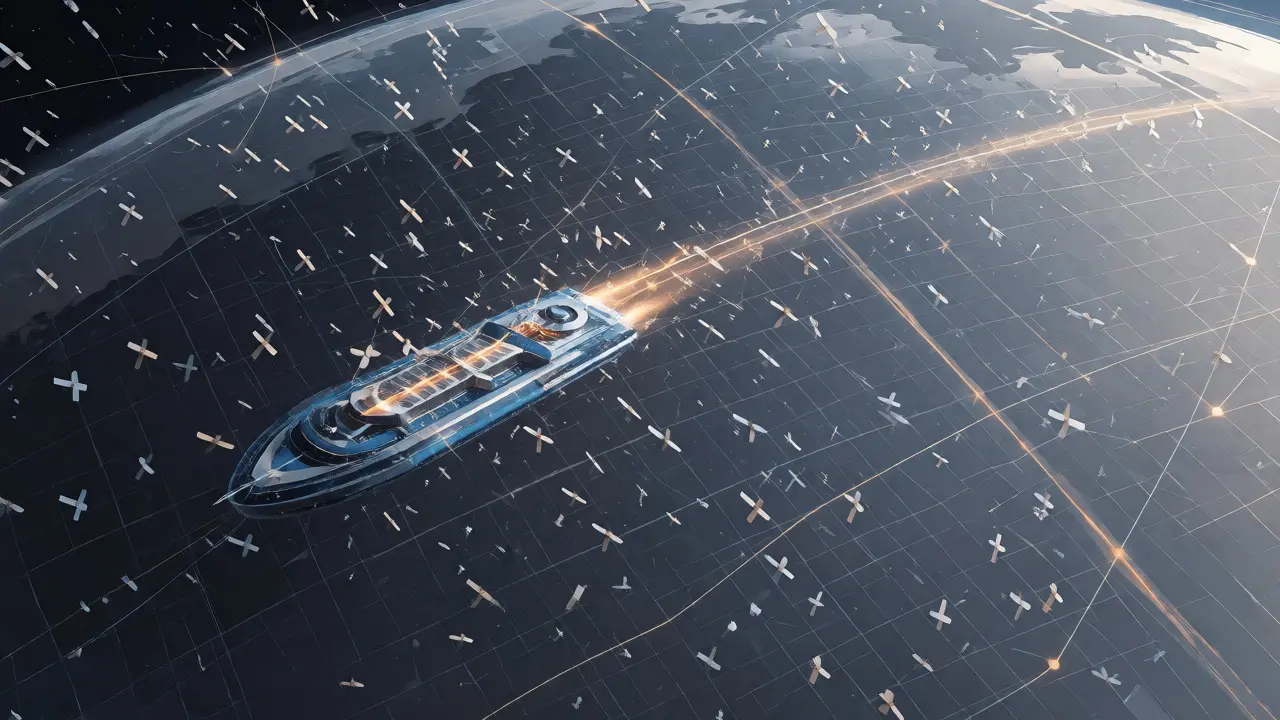
Flexibility comes at a cost. Every restart consumes propellant for settling, line conditioning, and ignition margins. This reduces the total delta-v available for payload delivery. Additionally, each start adds mechanical stress and potential failure modes. Valve transients, ignition overpressure, and guidance errors during coast phases can jeopardize the mission. If a restart fails, payloads might be stranded in a transfer orbit, forcing them to use their own onboard propulsion to reach their final destination-a costly contingency.
There’s also a limit to how many times an engine can safely restart. Manufacturers certify engines for a specific number of starts based on thermal and structural testing. Exceeding these limits voids warranties and increases risk. Furthermore, long coast phases require robust thermal control to prevent cryogenic boil-off from destabilizing tank pressures. Engineers must balance the desire for flexibility against the mass penalty of extra plumbing, valves, sensors, and qualification testing.
Future Outlook: Autonomy and Sustainability
The trend is clear: more starts, longer coasts, and greener propellants. As we move toward reusable launch systems and mega-constellations, the demand for precise, multi-orbit deployment grows. Future upper stages will likely feature autonomous mission sequencing, allowing the vehicle to decide when to restart based on real-time telemetry rather than pre-programmed timers. This autonomy can optimize fuel usage and adapt to unexpected delays.
Moreover, the shift toward methane-based propellants, like those in the developing M10 engine, promises better storability and reduced coking compared to kerosene, while being less volatile than hydrogen. This makes long-duration coast phases easier to manage. Ultimately, reignition capability turns the upper stage into a versatile orbital tugboat, capable of delivering payloads exactly where and when they are needed, maximizing the value of every launch dollar.
Can solid rocket motors restart?
Generally, no. Most conventional solid rocket motors burn continuously once ignited and cannot be throttled or restarted because they lack a controllable valve system. Once the fuel grain is lit, it burns until consumed.
How do engines handle fuel in zero gravity?
In microgravity, fuel floats. To ensure liquid reaches the engine inlet, vehicles use small settling thrusters to create artificial gravity, pushing fuel to the tank bottom. Alternatively, capillary devices can wick liquid away from gas bubbles.
What is the main risk of restarting an engine in space?
The primary risks include ingesting gas instead of liquid (cavitation), which can damage the turbopump, and ignition failures due to improper propellant conditioning. Thermal issues from cryogenic boil-off can also disrupt tank pressure control.
Which current rockets have restartable upper stages?
Major operational vehicles include SpaceX’s Falcon 9 (Merlin Vacuum), ULA’s Atlas V and Vulcan Centaur (RL10), ESA’s Ariane 6 (Vinci), and Vega-C (AVUM+). These engines are certified for multiple starts per mission.
Does restarting save money?
It saves money for customers needing multiple orbits or precise timing. Instead of paying for separate launches or heavy kick stages on satellites, they share one launch. However, the added complexity and mass of restart hardware mean it’s not always cheaper for simple, single-orbit missions.