
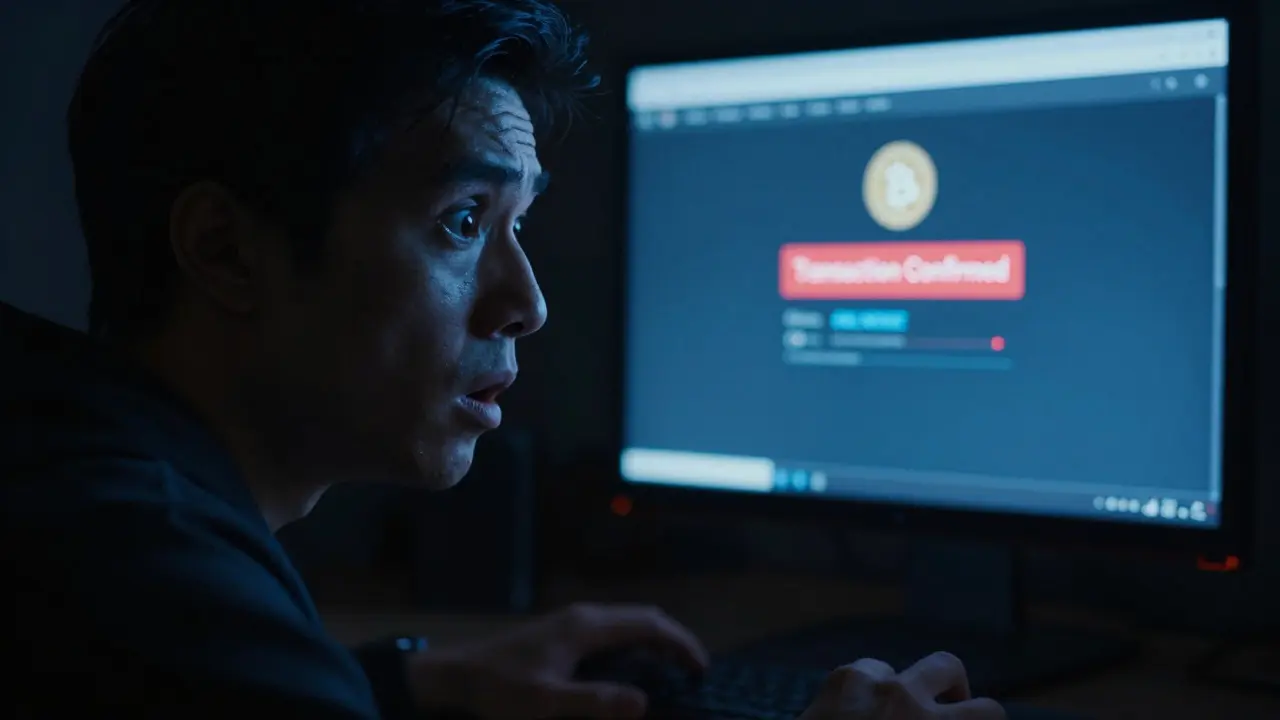
You click a link. You sign a transaction. Or maybe you just trust the wrong person online. Then, within seconds, your digital wallet is empty. The numbers vanish from your screen, replaced by a cold realization that your assets have moved to an address you don’t control. Your first instinct? Panic. Your second? Googling "how to get my crypto back."
Here is the hard truth right out of the gate: recovering stolen cryptocurrency is possible, but it is rarely simple, never guaranteed, and almost never involves a magic button to reverse the transaction. Unlike your bank account, where a fraud department can freeze a debit card with a phone call, the blockchain is immutable. Once those blocks are confirmed, the ledger says the money belongs to someone else. But "immutable" does not mean "untraceable." In fact, as of mid-2026, we have seen documented cases where victims recovered significant sums-not by reversing the chain, but by catching the funds before they disappear into the dark corners of the internet.
The Golden Window: Why the First 72 Hours Matter
If you have been scammed, stop everything except documenting what happened. The clock started ticking the moment the transaction hit the network. Industry experts, including guides updated in June and July 2026, agree on one critical factor: time. The first 72 hours after a theft carry more weight than any action you take weeks later.
Why? Because thieves usually move fast. They want to launder their loot through mixers, convert it to privacy coins, or buy goods before anyone notices. If you act immediately, you might catch the funds while they are still sitting in a centralized exchange's hot wallet. If you wait, those funds might be split across dozens of addresses, making them nearly impossible to track down legally.
So, what do you do in those first few hours?
- Secure remaining assets: If you still have funds in other wallets, move them to a brand-new wallet on a clean device (one that hasn't been infected). Do not reuse old passwords.
- Revoke approvals: On networks like Ethereum, scammers often trick you into approving unlimited spending limits for their contracts. Use tools like Revoke.cash or Etherscan’s Token Approval Checker to kill those permissions immediately.
- Document everything: Take screenshots of your wallet history, copy the transaction hashes (TXIDs), note the exact timestamps, and save any chat logs or emails from the scammer. This isn't just for your peace of mind; this is your evidence file.
How Blockchain Tracing Actually Works
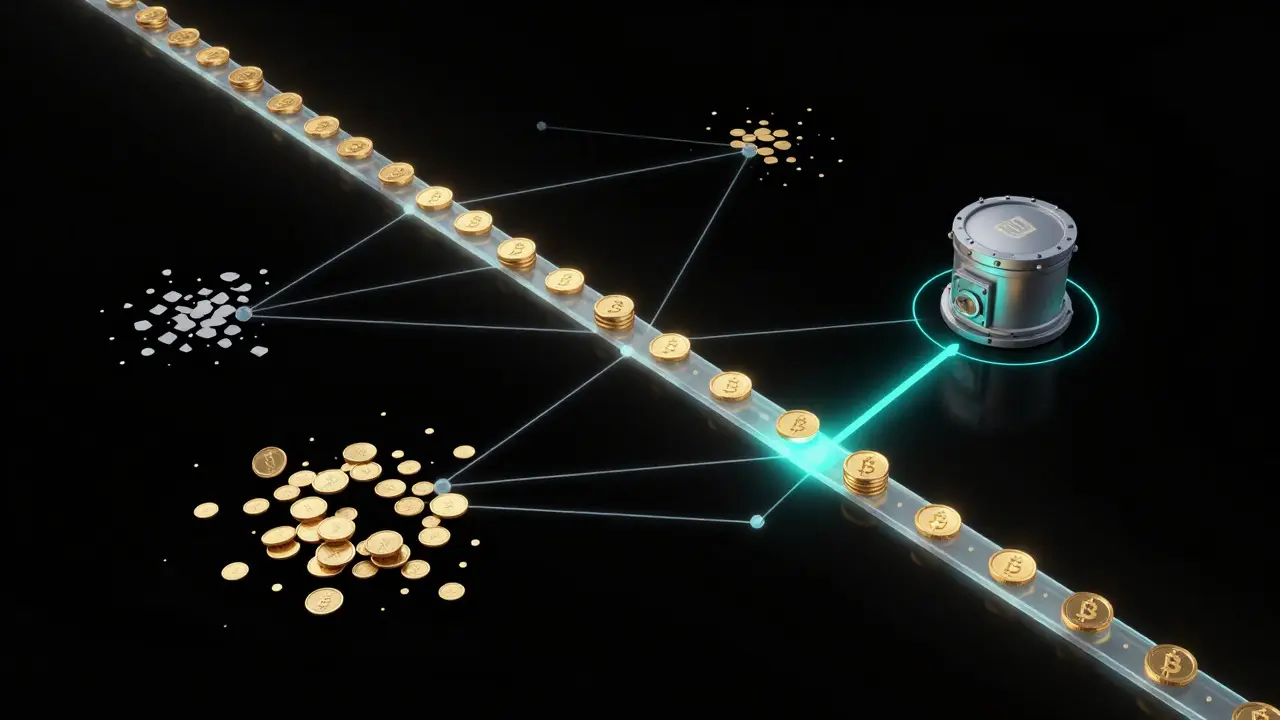
You cannot reverse a transaction, but you can follow it. This process is called forensic blockchain tracing. Think of it like following a trail of breadcrumbs. Every time the thief moves money from Address A to Address B, that movement is recorded publicly on the blockchain.
For most users, this starts with public explorers. If you were scammed on Bitcoin, you use Blockchain.com Explorer. For Ethereum, it’s Etherscan. For Solana, it’s Solscan. You paste in your transaction hash, and you see where the money went. Often, the thief will move it to another address, then another, trying to confuse trackers. Your job is to document each hop.
However, manual tracing has limits. Professional firms like Elliptic or Chainalysis use clustering heuristics-complex algorithms that group addresses likely belonging to the same entity. They can identify when funds hit a known centralized exchange, a mixer like Tornado Cash, or a gambling site. This attribution data is crucial because exchanges are the only places where you can potentially freeze the assets.
| Method | Speed | Success Likelihood | Cost |
|---|---|---|---|
| Self-Tracing & Exchange Contact | Fast (Hours) | Low to Medium | Free |
| Law Enforcement Report (IC3/Police) | Slow (Months/Years) | Medium (if exchange involved) | Free |
| Forensic Firm + Legal Action | Medium (Weeks) | High (for large amounts) | High ($1k+) |
| "Guaranteed" Recovery Scams | Immediate | Zero | Upfront Fees (Loss) |
The Role of Centralized Exchanges
This is where most successful recoveries happen. Blockchains are pseudonymous, but centralized exchanges like Coinbase, Binance, or Kraken are regulated. They know who their users are due to Know Your Customer (KYC) laws. If the thief deposits your stolen crypto into an exchange account, that platform can freeze the funds if presented with proper legal documentation.
In February 2026, ChangeNOW reported a case where over $10,000 in stolen cryptocurrency was returned to a victim. How? The victim reported the theft quickly, the exchange flagged the suspicious deposit, suspended the account, and cooperated with US law enforcement. The assets were preserved and eventually returned.
To make this work for yourself:
- Identify which exchange received the funds (using the tracing methods above).
- Contact the exchange’s compliance or support team immediately. Provide the transaction hashes and a police report number if you have one.
- Be prepared for bureaucracy. Exchanges rarely release information without a subpoena or court order, so having a lawyer helps here.
Legal Channels and Law Enforcement
Filing a report is not optional; it is essential. Even if the police seem uninterested, you need an official case number. This document proves the crime occurred and is required by exchanges and courts to freeze assets.
In the United States, start with the FBI’s Internet Crime Complaint Center (IC3). If you were scammed by an investment platform, also file with the SEC or CFTC. In Australia, report to the Australian Cyber Security Centre (ACSC) and your local police. In Europe, Europol handles cross-border cybercrime.
Don’t underestimate the value of specialized legal counsel. Firms like TorHoerman Law or PKatz Legal specialize in crypto asset recovery. They understand how to draft subpoenas, navigate forfeiture proceedings, and negotiate with exchanges. For smaller losses, this might be cost-prohibitive, but for six-figure thefts, a lawyer’s expertise can be the difference between losing everything and getting partial restitution.

Avoiding Secondary Scams
Here is the trap many victims fall into: desperation. After losing money, you become vulnerable. Scammers monitor social media and forums for people crying out about lost crypto. They will DM you, email you, or comment on your posts claiming they can "hack" the blockchain or "reverse" the transaction for a fee.
Remember: No one can reverse a blockchain transaction. Period. Any service promising a guaranteed recovery for an upfront fee is a scam. Legitimate forensic firms charge for investigation and reporting, not for "guarantees." Stick to certified services and official channels. If it sounds too good to be true, it is.
Realistic Expectations for 2026
Let’s manage expectations. Most small-scale thefts are not recovered. The system is designed to be permissionless, which means it is also resilient against external interference. However, if your funds hit a compliant exchange, and you act within days, your chances improve significantly. The ecosystem is maturing. Tools are better, regulators are more aware, and exchanges are more responsive to fraud alerts than they were five years ago.
Recovery is a marathon, not a sprint. It requires patience, meticulous documentation, and often, professional help. But it is not hopeless. Thousands of dollars-and sometimes millions-are recovered every year through these exact steps. The key is acting now, not waiting.
Can I reverse a cryptocurrency transaction?
No. Blockchain transactions are irreversible once confirmed. Recovery depends on tracing the funds to a centralized exchange or legal entity that can freeze the assets, not on reversing the blockchain itself.
How much does it cost to hire a crypto recovery firm?
Costs vary widely. Forensic tracing reports can range from $500 to several thousand dollars. Legal fees depend on the complexity of the case. Be wary of firms demanding large upfront "guarantee" fees, as these are often scams.
What should I do immediately after being scammed?
Secure remaining funds in a new wallet, revoke token approvals, document all transaction hashes and communications, and file a report with local law enforcement and relevant agencies like IC3 (US) or ACSC (Australia).
Do exchanges return stolen crypto?
Exchanges may freeze funds if presented with a valid police report or subpoena. They do not automatically return money, but cooperation with law enforcement can lead to asset preservation and eventual return to the victim.
Is hiring a lawyer worth it for small amounts?
For small amounts (under $5,000), legal fees may exceed the potential recovery. For larger sums, a lawyer specializing in crypto can help navigate subpoenas and exchange negotiations, increasing the likelihood of success.