
You might think holding a digital token means you own the house next door or that your government bond settles instantly. The reality is messier, more interesting, and far more lucrative for those who understand the fine print. Real-world asset (RWA) tokenization is the process of creating a digital representation of traditional financial or physical assets-like bonds, invoices, or real estate-on a programmable blockchain. It’s not just a buzzword; it’s a shift in how we record ownership and settle value. But here’s the catch: putting an asset on a chain doesn’t automatically transfer legal title, eliminate risk, or guarantee liquidity. If you’re looking to invest in this space, you need to look past the hype and into the plumbing.
What Is RWA Tokenization Really Doing?
At its core, tokenization turns a claim on an asset into code. The Bank for International Settlements defines it as generating a digital representation of traditional assets on a programmable platform. Think of it like this: instead of a paper deed sitting in a county recorder’s office, you have a token on a ledger that points to a legal entity owning that deed. This allows for automated compliance checks, faster settlement windows, and fractional ownership. However, the token itself is rarely the asset. It’s usually a wrapper-a fund interest, a debt claim, or a contractual right. Understanding what the token actually represents is the first step to avoiding expensive mistakes.
The Rise of On-Chain Bonds and Treasuries
If there’s one area where RWA tokenization has found product-market fit, it’s short-duration, yield-generating institutional assets. Why? Because cash flows are standardized, and big institutions can handle the legal heavy lifting. Take BUIDL, launched by BlackRock and Securitize in March 2024. It’s a tokenized fund investing in U.S. Treasury bills and repurchase agreements. By March 2025, BUIDL had exceeded $1 billion in assets under management. It offers daily accrual of dividends directly to investor wallets and 24/7 transfers between pre-approved investors.
Another key player is Ondo Finance. Their product, USDY, is structured as a senior secured debt obligation collateralized by U.S. Treasuries. It’s important to note that USDY is not a Treasury itself; it’s a claim on a special-purpose vehicle. This distinction matters because if the issuer fails, you’re dealing with corporate insolvency law, not government backing. As of mid-2025, tokenized Treasuries grew significantly, with BUIDL representing about 45% of that category. These products appeal to investors wanting stable yields without leaving the crypto ecosystem, but they come with strict KYC requirements and geographic restrictions.
| Asset Class | Primary Example | Key Benefit | Major Risk |
|---|---|---|---|
| Bonds/Treasuries | BUIDL, OUSG | Stable yield, high liquidity relative to other RWAs | Issuer default, regulatory changes, thin secondary markets |
| Invoices/Private Credit | Tinlake (Centrifuge) | Faster working capital access, transparent reporting | Invoice fraud, debtor non-payment, duplicate pledging |
| Real Estate | Lofty, RealT | Fractional ownership, automated rent distribution | Vacancy, maintenance costs, illiquidity, legal title disconnect |
Invoice Financing: Unlocking Working Capital
Businesses often wait weeks for customers to pay invoices. Tokenization platforms like Centrifuge’s Tinlake allow companies to use these receivables as collateral. Here’s how it works: an issuer identifies real-world invoices, mints NFTs representing them, and deposits those NFTs into a liquidity pool. Investors then buy tranches of that pool, providing immediate cash to the business. This creates a bridge between DeFi liquidity providers and traditional small businesses needing credit.
But don’t let the tech fool you. A blockchain proves the history of a transaction, not the validity of an invoice. If a customer disputes a delivery or goes bankrupt, the token holder still faces collection risks. You’re relying on off-chain servicing agents to chase payments. The benefit is speed and transparency; the drawback is that you inherit the credit risk of the underlying debtors, often without the deep pockets of a bank to absorb losses.
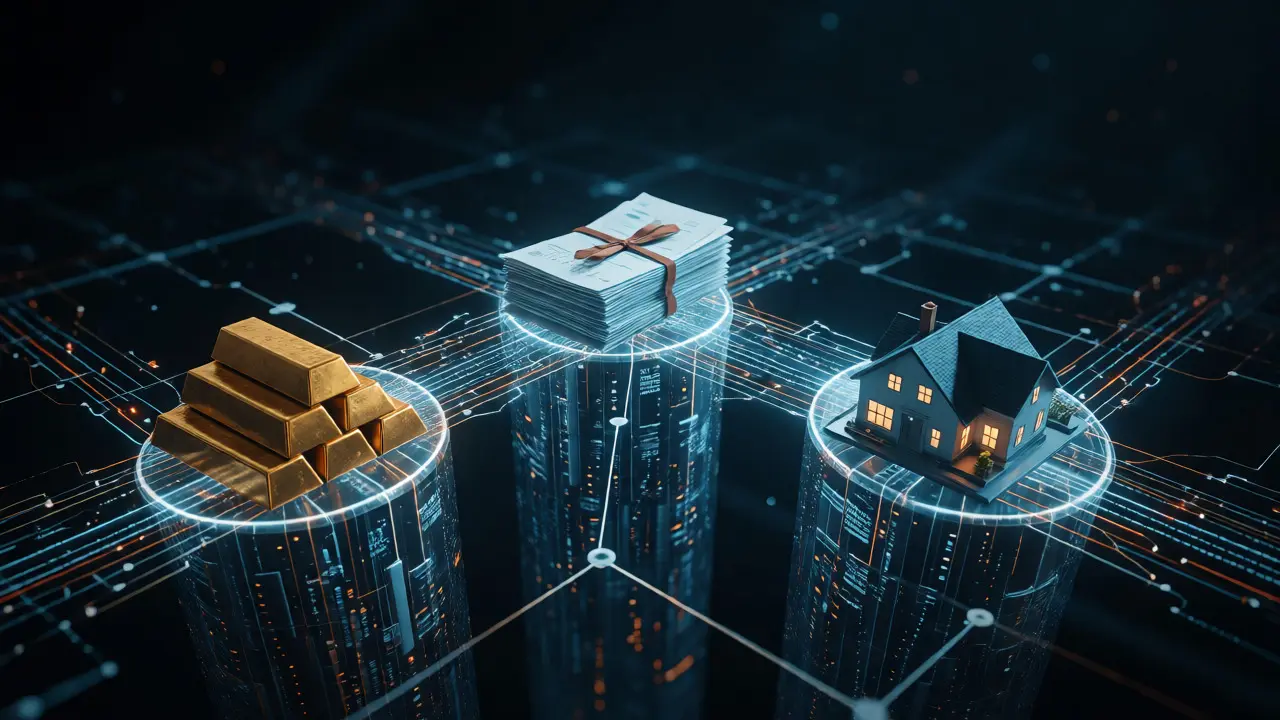
Property Tokenization: The Dream vs. The Reality
Owning a slice of a rental property via a token sounds appealing. Platforms like Lofty place properties in independent LLCs and tokenize membership shares on Algorand. This lowers the barrier to entry-you don’t need hundreds of thousands of dollars to start. Rent distributions can be automated, sending USDC straight to your wallet.
However, recent events serve as a stark warning. RealT, a major player in this space, announced voluntary liquidation of its U.S. structures in July 2026. Investors were left waiting for recoveries while courts controlled hundreds of properties. The crisis wasn’t caused by a blockchain failure; it was driven by deferred maintenance, unpaid taxes, and operational mismanagement. Holding a token doesn’t mean you control the house. You’re dependent on the sponsor, the property manager, and local laws. If the secondary market is thin, you might find yourself holding a token for a dilapidated building with no buyers in sight.
Regulatory Hurdles and Legal Risks
Most tokenized RWAs are securities. In the U.S., issuers often rely on exemptions like Regulation D Rule 506(c) or Regulation S. This means you likely need to be an accredited investor or located outside the U.S. to participate. Whitelisted wallets and KYC checks are standard. This isn’t the permissionless Wild West; it’s a regulated digital security wrapper.
Legal certainty remains a hurdle. Does a token transfer override state property laws? What happens if a smart contract bug drains the treasury? The IMF notes that while tokenization improves infrastructure, it introduces new risks around settlement finality and interoperability. If a bridge hack occurs or a chain congests, your ability to redeem or trade could freeze, even if the underlying asset is performing well.
How to Evaluate an RWA Project
Before putting money into any RWA project, do your homework. Ignore the flashy dashboards and look at the documents. Check the offering memorandum. Who is the custodian? Are the reserves audited? For property deals, verify the link between the token and the deed. For invoices, ask about the servicer’s track record in collections.
- Verify the Legal Structure: Ensure the token represents a enforceable claim on a bankruptcy-remote entity.
- Check Liquidity: Look at actual trading volume, not just theoretical capacity. Thin markets mean wide bid-ask spreads.
- Audit the Code: Smart contracts are software. Bugs happen. Look for multiple audits from reputable firms.
- Understand Redemption: How do you get your money out? Is it instant, or does it take 30 days? Are there fees?
The Future Outlook
Forecasts vary wildly. Deloitte projects tokenized U.S. real estate could hit $4 trillion by 2035, while Boston Consulting Group sees total tokenized assets reaching nearly $19 trillion by 2033. These numbers assume massive adoption and regulatory clarity. The most realistic view is selective expansion. Tokenization will thrive where legal claims are standardized and liquidity exists-think Treasuries and private credit. It will struggle in fragmented markets like single-family homes unless operational efficiencies improve dramatically.
Does holding an RWA token mean I legally own the underlying asset?
Not necessarily. In most cases, you own a share in a special-purpose vehicle (SPV) or a contractual claim that has economic exposure to the asset. Direct legal title often remains with the SPV or a trustee. Always check the offering documents to see exactly what rights the token confers.
Are tokenized bonds safer than regular bonds?
They carry similar credit risks to the underlying issuer. However, they add technical risks like smart contract bugs, custody issues, and potential regulatory hurdles. They may offer better settlement speed and transparency, but they are not inherently "safer" from a default perspective.
Why is liquidity a problem for tokenized real estate?
Real estate is naturally illiquid. While tokens can theoretically trade 24/7, actual buyer demand is often low compared to traditional stock markets. If few people want to buy your specific property token, you may face significant price discounts or long wait times to sell.
Can anyone invest in tokenized Treasuries?
No. Most tokenized Treasury funds require KYC/AML checks and restrict access based on jurisdiction. For example, some products are only available to non-U.S. persons or accredited investors. You cannot simply buy them anonymously like Bitcoin.
What happens if the RWA platform goes bankrupt?
It depends on the legal structure. If assets are held in a bankruptcy-remote entity, creditors of the platform generally cannot seize them. However, recovery processes can be slow and costly. Investors remain dependent on the platform's administrators and legal counsel to manage the wind-down.