
From Speculation to Ownership: The Real State of NFT Gaming
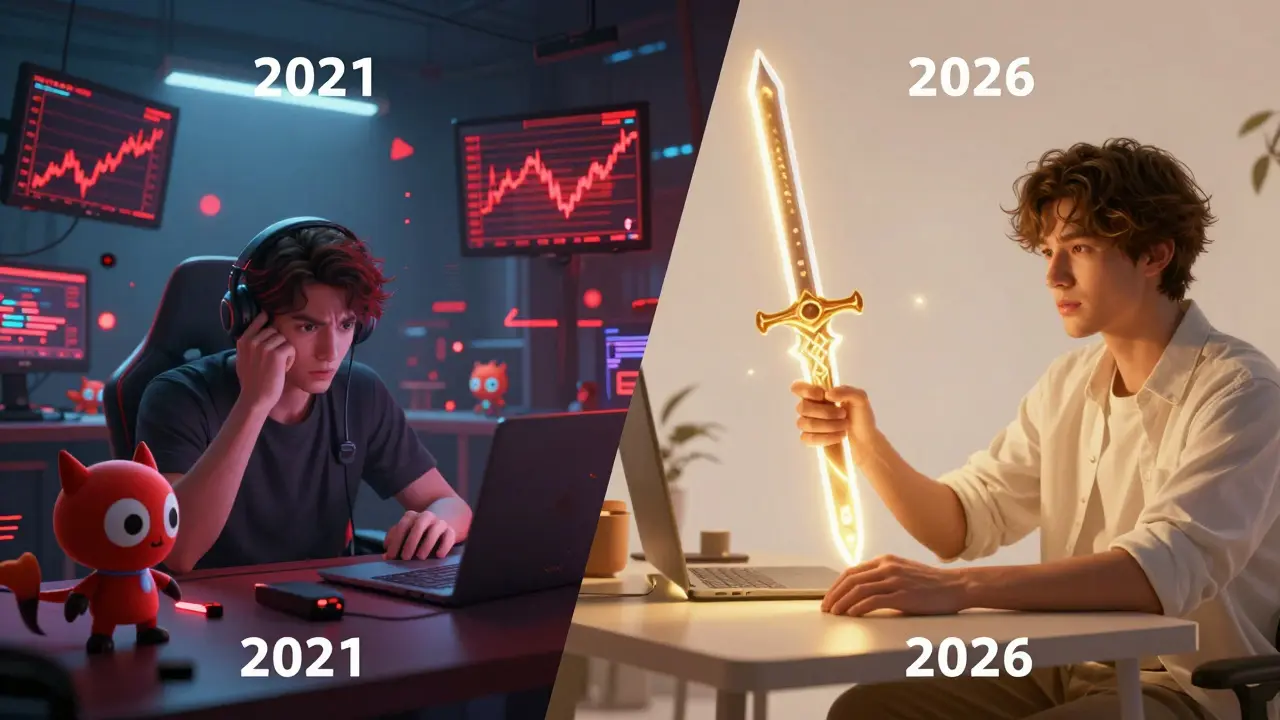
You might remember the headlines from 2021. People were quitting their jobs to play Axie Infinity, earning more than their local minimum wage by battling digital creatures. It sounded like a dream. But then the music stopped. Token prices crashed by over 90%, bridges got hacked for hundreds of millions, and players were left holding assets worth pennies. That wild ride taught the industry a hard lesson: you cannot build a lasting game economy on speculation alone.
Fast forward to mid-2026, and the landscape has shifted dramatically. We are no longer talking about quick cash grabs. The conversation is now about sustainable economies, true asset ownership, and whether your sword in one game can actually be used in another. If you are looking at Web3 gaming today, you need to understand that the "play-to-earn" (P2E) model has evolved into something more nuanced: "play-and-own." This isn't just about making money; it's about creating digital goods that have real utility, rarity, and value outside the game loop itself.
How Play-to-Earn Actually Works (And Why It Changed)
To understand where we are, we have to look at how P2E started. In its earliest form, particularly with titles like Axie Infinity, the model was simple but flawed. Players had to buy three NFT characters upfront (a "pay-to-play" barrier) to start earning tokens. These tokens, usually split into a governance coin and a utility reward coin, could be sold on exchanges for real-world currency.
The problem? The economy relied entirely on new players joining. When fresh users bought in, they injected capital that rewarded existing players. Once growth slowed, the token supply outpaced demand, and prices collapsed. This created what economists call a Ponzi-like dynamic, where early entrants profited at the expense of latecomers.
Today, developers are moving away from this pure yield model. Instead, they focus on token sinks-mechanisms that remove tokens from circulation to maintain scarcity. Examples include:
- Burning mechanisms: Players pay tokens to upgrade gear or enter high-stakes tournaments, permanently removing those tokens from the market.
- Staking requirements: Holding certain NFTs unlocks rewards, reducing active trading volume.
- Consumable resources: Items that degrade with use and must be repaired or replaced using earned tokens.
This shift ensures that value isn't just printed endlessly. It ties earnings to actual gameplay skill and engagement, not just time spent clicking buttons.
Interoperability: The Holy Grail of Digital Assets
One of the biggest promises of NFT gaming is interoperability-the idea that you own your avatar, skin, or weapon, and can take it anywhere. Imagine buying a rare helmet in The Sandbox and wearing it in Decentraland. Sounds great, right? In reality, it’s still largely theoretical.
Why? Because most games run on different blockchains with incompatible standards. An ERC-721 token on Ethereum doesn’t natively talk to an SPL token on Solana. While bridging protocols exist, they introduce security risks (remember the Ronin bridge hack?) and complexity.
However, progress is being made through standardized metadata and shared ecosystems. Projects like Sorare have shown success within a specific niche-fantasy sports-where card stats are universally recognized across leagues. For broader gaming interoperability, we need:
- Universal Metadata Standards: Agreed-upon formats for describing item attributes (e.g., damage, durability, visual appearance).
- Cross-Chain Messaging Layers: Secure protocols that allow assets to move between chains without trusting centralized intermediaries.
- Developer Incentives: Game studios must benefit from allowing external assets, perhaps through royalty shares or enhanced player retention.
Until these pieces align, true interoperability will remain limited to curated partnerships rather than an open standard.
| Model Type | Entry Cost | Earning Potential | Risk Level | Best For |
|---|---|---|---|---|
| Play-to-Earn (Legacy) | High (Buy NFTs) | High (Initially) | Very High | Early adopters, investors |
| Play-and-Own | Low/Free | Moderate | Low | Casual gamers, collectors |
| Skill-Based Fantasy | Medium (Card Packs) | Variable | Medium | Sports fans, strategists |
Building Sustainable Economies: Lessons from the Crash
The collapse of Axie Infinity’s Smooth Love Potion (SLP) token serves as a cautionary tale for every developer entering the space. SLP was minted infinitely as players battled, leading to hyperinflation. Without enough buyers to absorb the new supply, the price plummeted from $0.39 to less than $0.01.
Sustainable economies require balance. Think of it like a real-world city: you need income (minting) and expenses (burning). Here’s how successful projects maintain equilibrium:
- Dynamic Difficulty Adjustment: As more players join, earning rates decrease slightly to prevent oversaturation.
- External Revenue Streams: Integrating brand partnerships, advertising, or physical merchandise sales brings non-speculative capital into the ecosystem.
- Governance Tokens: Allowing holders to vote on economic parameters creates a sense of community ownership and responsibility.
In 2025 and 2026, we’ve seen a rise in "hybrid" models. Games offer free-to-play entry but sell cosmetic NFTs that don’t affect gameplay balance. This reduces the barrier to entry while still capturing value from whales who want to show off.
Technical Foundations: Standards That Matter
Under the hood, NFT gaming relies on smart contract standards. The two most common are ERC-721 and ERC-1155.
ERC-721 is ideal for unique, one-of-a-kind items. Each token has its own ID and metadata. If you’re minting a legendary sword that only one person can own, this is your standard. However, managing thousands of ERC-721 tokens can be gas-intensive on Ethereum.
ERC-1155, introduced by Enjin, solves this by allowing a single contract to manage multiple types of tokens-both fungible (like gold coins) and non-fungible (like rare artifacts). This efficiency makes it perfect for complex RPG inventories. A single transaction can transfer 100 swords and 5 shields simultaneously, saving significant fees.
For mobile-focused games, sidechains like Polygon and Ronin offer lower transaction costs and faster speeds. By mid-2026, Polygon had grown rapidly due to its compatibility with Ethereum tools and minimal fees, making it a top choice for casual NFT games.
User Experience: Beyond the Wallet Setup
Let’s be honest: asking a gamer to set up a crypto wallet, buy ETH, bridge funds, and manage seed phrases is a massive friction point. The average gamer wants to log in and play, not become a DeFi expert.
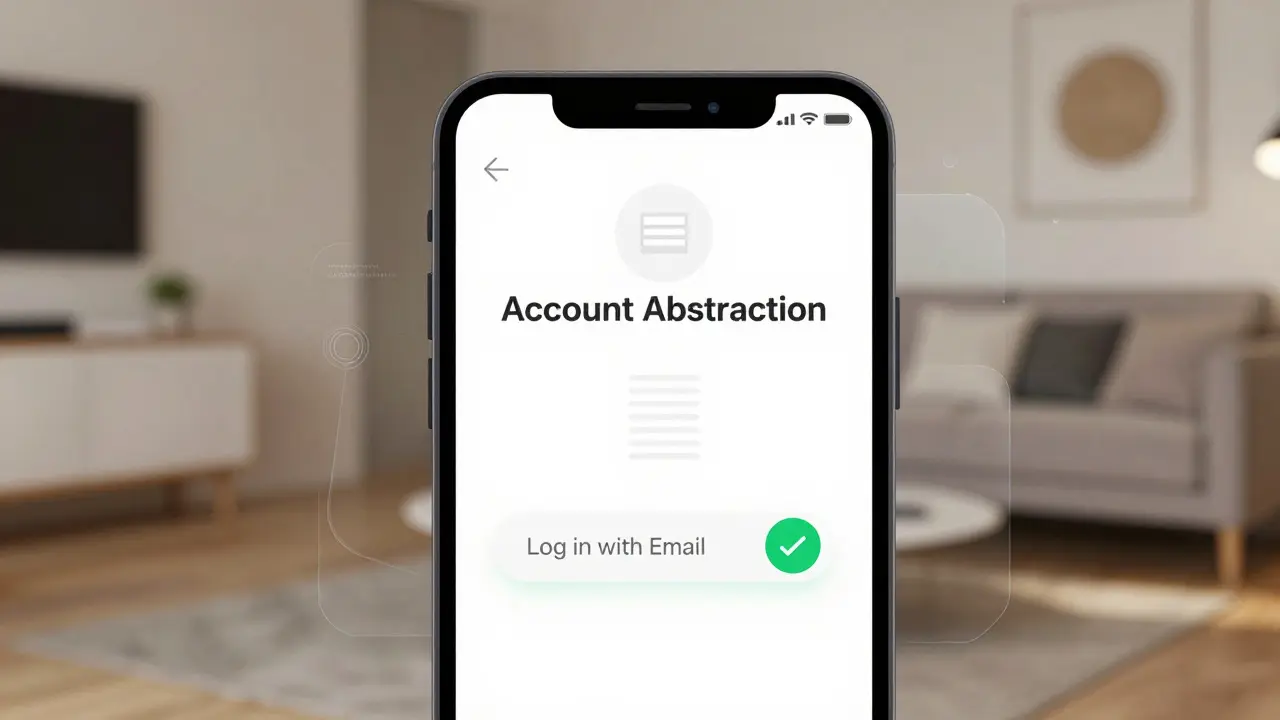
The solution? Account Abstraction (AA). With AA, players can log in with email or social media accounts. The game handles the underlying blockchain interactions invisibly. Gas fees can be sponsored by the developer, and transactions happen seamlessly in the background. This abstraction layer is critical for mass adoption. If you can’t onboard a user in under two minutes, you’ve already lost them.
Additionally, customer support matters. In the early days, when Axie’s bridge was hacked, users faced months of uncertainty. Modern platforms prioritize transparent communication and rapid reimbursement mechanisms to maintain trust.
Regulatory Landscape: Navigating the Gray Areas
As of 2026, regulators worldwide are still figuring out how to classify gaming tokens. The U.S. Securities and Exchange Commission (SEC) has signaled that some utility tokens could be deemed securities if they promise profits based on the efforts of others. This creates uncertainty for developers.
Key regulatory considerations include:
- Consumer Protection: Ensuring players aren’t misled about earning potential.
- Tax Implications: Earnings from NFT sales may be taxable events, requiring clear reporting tools.
- Age Restrictions: Preventing minors from engaging in speculative financial activities.
Projects that proactively comply with KYC (Know Your Customer) norms and provide clear disclaimers tend to survive regulatory scrutiny better than those operating in the shadows.
Future Outlook: What’s Next for NFT Gaming?
The next phase of NFT gaming isn’t about getting rich quick. It’s about building persistent digital worlds where assets have meaning beyond their resale value. We’re seeing trends toward:
- AI-Driven NPCs: Non-player characters that learn and adapt, owned as NFTs by creators.
- Physical-Digital Hybrids: Buying a physical toy that unlocks a powerful in-game NFT companion.
- Creator Economies: Tools that let players design and sell their own levels, skins, or mods, retaining royalties forever.
If you’re a player, approach NFT games with entertainment first, earnings second. Do your homework on tokenomics before spending money. If you’re a developer, focus on fun gameplay loops and fair economic design. The era of reckless speculation is over; the age of sustainable digital ownership has begun.
Is play-to-earn still profitable in 2026?
Profitability varies significantly. Legacy P2E models have largely faded due to economic unsustainability. Newer "play-and-own" models offer modest returns through skill-based competitions or trading rare cosmetics, but should not be viewed as reliable income sources. Treat earnings as a bonus to entertainment, not a primary salary.
What is the difference between ERC-721 and ERC-1155?
ERC-721 is used for unique, non-interchangeable items like one-of-a-kind art or rare heroes. ERC-1155 allows a single contract to manage both unique items and fungible tokens (like currency), making it more efficient for games with large inventories and frequent batch transfers.
Can I use my NFTs across different games?
Currently, full interoperability is limited. Most NFTs are locked to specific game ecosystems. However, some metaverse platforms like The Sandbox and Decentraland are working on standards to allow avatars and wearables to move between partnered experiences. True cross-game compatibility remains a work in progress.
Are NFT games legal?
Yes, playing NFT games is generally legal. However, the tokens and NFTs themselves may face regulatory scrutiny depending on your jurisdiction. Some tokens could be classified as securities, affecting how they can be traded or taxed. Always check local laws regarding cryptocurrency and digital assets.
How do I start playing an NFT game safely?
Start with free-to-play options to test the gameplay. Research the project’s tokenomics: look for burn mechanisms and balanced supply/demand. Use a secure hardware wallet for valuable assets, never share your seed phrase, and only invest money you can afford to lose. Avoid projects promising guaranteed high returns.
11 Responses
The shift from pure speculation to utility is the only way this space survives long term. I've been watching the tokenomics of these new 'play-and-own' models closely, and the burn mechanisms are actually starting to make sense economically. It's no longer just about printing tokens for every click; it's about creating scarcity through gameplay engagement. When you have to spend earned currency to repair gear or enter tournaments, you're introducing a real sink that mimics traditional game economies but with actual ownership rights on the blockchain. This prevents the hyperinflation we saw with SLP in Axie Infinity. The key is balancing the minting rate with these sinks so the economy doesn't collapse under its own weight. Developers who ignore basic economic principles will fail, regardless of how cool their NFTs look.
I just want to know if any of these games are actually fun to play without looking at the wallet balance. That seems like the biggest hurdle still.
fun? lol. you guys are still thinking like gamers instead of investors. the whole point is asset ownership not entertainment value. if you cant see the financial upside you are already obsolete. stop whining about mechanics and start looking at the floor prices.
typical american delusion thinking crypto saves everything. meanwhile our infrastructure is crumbling and you care about digital swords. pathetic. this is why foreign nations are laughing at us while they build real tech
You need to wake up and realize that interoperability is a pipe dream right now. Every studio wants to keep users in their walled garden because that is where the revenue stays. Cross-chain messaging is a security nightmare as seen with Ronin. Until there is a massive incentive for developers to let your assets leave their ecosystem, you are stuck playing siloed games. Don't believe the hype about taking your sword everywhere. It's marketing fluff designed to sell you more NFTs.
Oh my gosh! I totally agree with the part about Account Abstraction!!! It is absolutely crucial! If I have to deal with seed phrases again I will literally scream!!!! Nobody wants to be a DeFi expert just to play a game!!! We need seamless login experiences!!! Please developers listen to us!!! Make it easy!!!
look i dont get all teh hype about erc-1155 vs 721 honestly. just make the game good. people complain about gas fees but its not the standard its the chain. polygon is fine. stop overcomplicating it. most of you are just here for the free money and when that stops you quit. sad.
the nature of value is subjective. an nft is only worth what someone else believes it is. this is not different from fiat currency or gold. the difference is transparency. yet people fear transparency. interesting paradox.
Let’s be clear about the regulatory landscape. The SEC’s stance on utility tokens versus securities is not a gray area; it is a defined legal boundary that many projects are deliberately ignoring. If a token promises profits derived from the efforts of others, it is a security under the Howey Test. Period. Projects that fail to implement proper KYC/AML protocols are not innovators; they are liabilities. As professionals in this space, we must advocate for compliance rather than dismissing it as bureaucratic red tape. The longevity of Web3 gaming depends entirely on institutional trust, which cannot exist without regulatory clarity.
Hey everyone! Let's keep the conversation positive and constructive! We all love gaming and exploring new technologies! Remember to always do your own research and never invest more than you can afford to lose! Safety first friends! Let's support each other in learning about these new models!
silence is golden. words are wind. the code remains.