
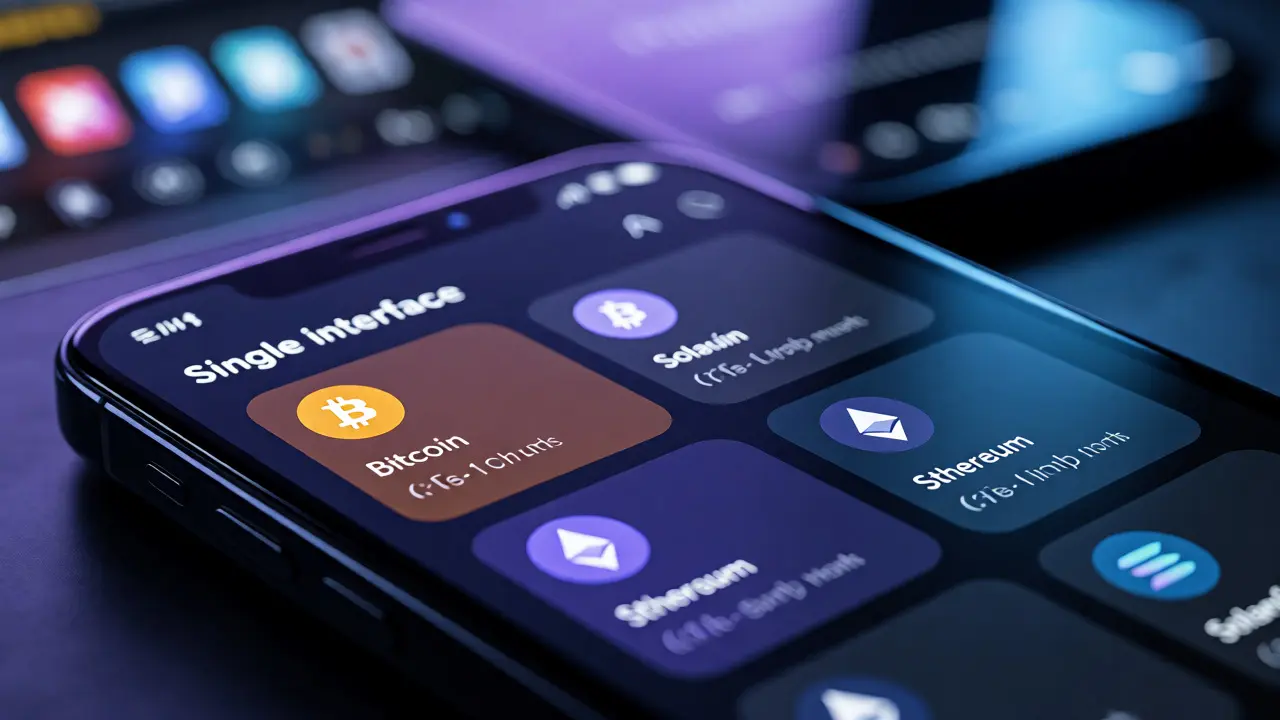
Remember when managing your crypto meant keeping five different browser extensions open, each with its own password and update schedule? That chaos is exactly what multi-chain wallets were built to fix. These tools let you store, send, and manage digital assets across distinct blockchains like Bitcoin, Ethereum, and Solana from a single interface. Instead of juggling separate apps for every network, you get one secure hub that understands the rules of each chain.
By late 2026, this isn't just a convenience feature; it's the standard. The Web3 landscape has exploded into a "vibrant multichain ecosystem," where users routinely interact with layer-1 networks, layer-2 scaling solutions, and sidechains simultaneously. If you're still treating multi-chain support as an optional add-on, you're likely losing time on unnecessary app-switching and risking errors by manually copying addresses between incompatible networks. Let's break down how these wallets actually work, why they matter for your portfolio, and how to set them up without compromising security.
What Exactly Is a Multi-Chain Wallet?
A multi-chain wallet is a self-custodial or hybrid application that allows a single user to access multiple blockchain networks through one unified interface. Unlike traditional wallets tied to a specific protocol (like an Ethereum-only MetaMask), these wallets are programmed to understand the consensus rules, transaction formats, and fee structures of various chains. This means your wallet can build valid transactions for UTXO-based chains like Bitcoin and account-based chains like Ethereum using the same private keys or seed phrase.
It’s crucial to distinguish this from simple cross-chain swapping. A multi-chain wallet lets you hold assets on Chain A and Chain B at the same time. Cross-chain functionality refers to the ability to move value between those chains via bridges. While many modern wallets offer both, the core definition rests on unified access and management, not just transfer capabilities. Platforms like Ledger Live, which supports over 15,000 cryptocurrencies across multiple chains, exemplify this approach by providing a consolidated view of your holdings regardless of where they live on the blockchain map.
The Technical Backbone: How One Interface Talks to Many Chains
How does a single piece of software communicate with dozens of independent networks? It comes down to integration logic. Multi-chain wallets integrate Remote Procedure Call (RPC) endpoints and chain-specific metadata, such as Chain IDs and token standards (like ERC-20 for Ethereum or SPL for Solana). When you initiate a transaction, the wallet selects the correct signature scheme and fee calculation method for the target network.
For developers, this complexity is often abstracted away by tools like Dynamic.xyz, which provides connectors allowing dApps to support 500+ external wallets across all EVM chains. For end-users, the benefit is seamless interaction. You don’t need to know if a DApp requires a specific gas format; the wallet handles the translation. Features like FlexGas in Trust Wallet further simplify this by abstracting gas management, allowing users to pay fees in tokens other than the native coin, reducing friction even when moving between networks with different economic models.
Strategic Asset Management: More Than Just Storage
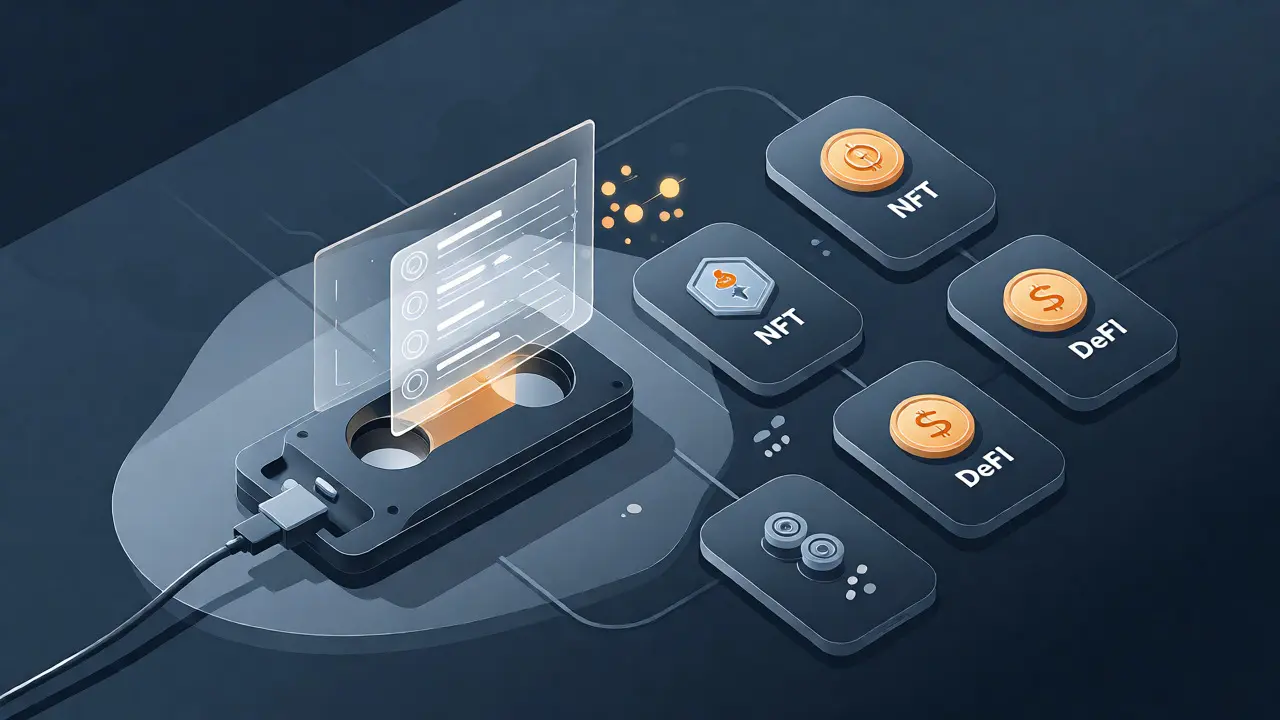
Owning a multi-chain wallet changes how you structure your portfolio. Serious crypto operations now treat multi-chain exposure as a deliberate strategy rather than an accident. According to operational best practices, you should select 2-3 target networks based on actual usage patterns. For instance, you might use a Layer-2 solution for yield farming due to low fees, Solana for NFT minting because of speed, and a stablecoin-focused chain for daily payments.
This segmentation helps reduce risk. Instead of dumping everything into one hot wallet, you assign roles. Use a hardware wallet connected to your multi-chain interface for long-term holdings-your "vault." Keep a hot wallet version active for trading and DeFi interactions-your "daily driver." This separation limits your exposure to smart contract risks. If a malicious DApp drains your hot wallet, your main capital remains safe in cold storage, accessible via the same multi-chain dashboard but physically isolated.

Security Risks and Operational Hygiene
With great power comes expanded attack surface. Multi-chain wallets increase the risk of sending funds to the wrong network-a common error when copy-pasting addresses that look identical across chains. Always confirm the network and token standard before signing. A fake bridge site or a phishing campaign can exploit this confusion, especially if you’re interacting with dozens of protocols across three or five different chains.
To mitigate this, adopt strict hygiene rules. Bookmark official URLs for bridges and exchanges. Never take screenshots of your seed phrase; store it offline in fireproof material. Consider advanced backup methods like Shamir Secret Sharing if you hold significant assets. Furthermore, regularly revoke stale token approvals. If you’ve used a bridge on Ethereum last month, check if you still have unlimited allowances granted to that contract. Tools within wallets like Ledger Live or dedicated revocation sites help clean up these permissions, preventing old contracts from accessing your funds unexpectedly.
Comparing Leading Multi-Chain Solutions
Not all multi-chain wallets are created equal. Some prioritize breadth of support, others focus on UX or hardware integration. Below is a comparison of key players shaping the 2026 landscape.
| Wallet Name | Primary Strength | Custody Model | Asset Support | Best For |
|---|---|---|---|---|
| Ledger Live | Hardware Security & Breadth | Self-Custody (Hardware) | 15,000+ Crypto across multiple chains | Long-term holders & high-value portfolios |
| Trust Wallet | Mobile UX & FlexGas | Self-Custody (Hot) | Ethereum, BNB Chain, Solana, and more | Active traders & mobile-first users |
| Brave Wallet | Browser Integration | Self-Custody (Browser) | Major L1s and EVM chains | DApp users who want zero-extension clutter |
| Backpack | Solana & Multichain Hybrid | Self-Custody / Exchange-linked | Solana, Bitcoin, Ethereum, etc. | NFT collectors & Solana ecosystem users |
Ledger stands out for institutional-grade security combined with massive asset coverage. Trust Wallet excels in accessibility, offering features that simplify complex cross-chain interactions for beginners. Brave offers unmatched convenience for web browsing, eliminating the need for third-party extensions entirely. Your choice depends on whether you prioritize absolute security, ease of movement, or seamless integration.
Step-by-Step: Setting Up Your First Multi-Chain Portfolio
If you’re migrating from single-chain wallets, here’s how to transition smoothly:
- Map Your Assets: List every token you hold and note which blockchain it resides on. Don’t guess; check block explorers.
- Choose Your Wallet: Select a provider that supports all your identified chains. Verify their reputation and audit history.
- Import Keys Carefully: If importing existing seeds, ensure the wallet supports the derivation paths for all your chains. Test with a small amount first.
- Label by Purpose: Rename your wallets or accounts to reflect function (e.g., "ETH-L2-Trading," "SOL-NFTs") rather than just the chain name. This prevents context-switching errors.
- Test Bridge Routes: Before moving large sums, run a $5 test transfer using a reputable bridge. Confirm the destination token is the intended native or wrapped asset.
- Set Up Monitoring: Use watch-only addresses or portfolio trackers to view balances across chains without exposing your spending keys to every analytics tool.
The Future: Automation and Interoperability Layers
We are moving beyond manual clicking. Institutional platforms like Fireblocks are deploying automation engines that trigger actions based on conditions-such as automatically sweeping profits from a DeFi position to a treasury vault when a certain price is hit. For retail users, this means less manual maintenance. Wallets will increasingly handle the routing logic for you, abstracting away the underlying complexity of bridges and relayers.
As interoperability layers mature, the distinction between "chains" may blur for the average user. You might swap an asset on Ethereum and receive it on Arbitrum without ever seeing a bridge UI. However, until then, understanding the mechanics of your multi-chain wallet remains vital. It’s the difference between accidentally burning fees on the wrong network and executing efficient, cost-effective trades.
Is a multi-chain wallet safer than a single-chain wallet?
Not inherently. The security depends on your custody model (hardware vs. hot) and personal hygiene. However, multi-chain wallets can improve safety by centralizing backups-one seed phrase protects all assets-and reducing the number of applications you expose to potential malware. But they also expand the attack surface if you interact with too many risky DApps across different networks.
Can I lose my coins if I send them to the wrong network?
Yes, this is a common risk. If you send Ethereum tokens to a Bitcoin address, the transaction might fail or result in lost funds depending on the specific implementation. Always double-check the network selector in your wallet before confirming a transfer. Using a multi-chain wallet with clear visual indicators for the current network helps prevent these mistakes.
Do multi-chain wallets support all cryptocurrencies?
No single wallet supports every cryptocurrency ever created. Leading providers like Ledger support over 15,000 assets, covering major chains like Bitcoin, Ethereum, Solana, and Polkadot. However, niche tokens on obscure app-chains might require specialized wallets. Always verify that your chosen wallet explicitly lists support for the specific token and network you intend to use.
What is the difference between multi-chain and cross-chain?
Multi-chain refers to the ability to store and manage assets on multiple networks simultaneously within one interface. Cross-chain refers to the functionality of moving assets from one network to another, typically involving a bridge or swap protocol. A wallet can be multi-chain (supporting many networks) without having robust cross-chain features, though most modern wallets include both.
How do I manage gas fees across different chains?
Each blockchain has its own native token for gas (e.g., ETH for Ethereum, SOL for Solana). Multi-chain wallets usually require you to hold small amounts of each native token to cover transaction fees. Some advanced wallets offer features like "FlexGas" or integrated swaps that allow you to pay fees using other tokens, simplifying the process of maintaining balances across multiple ecosystems.