
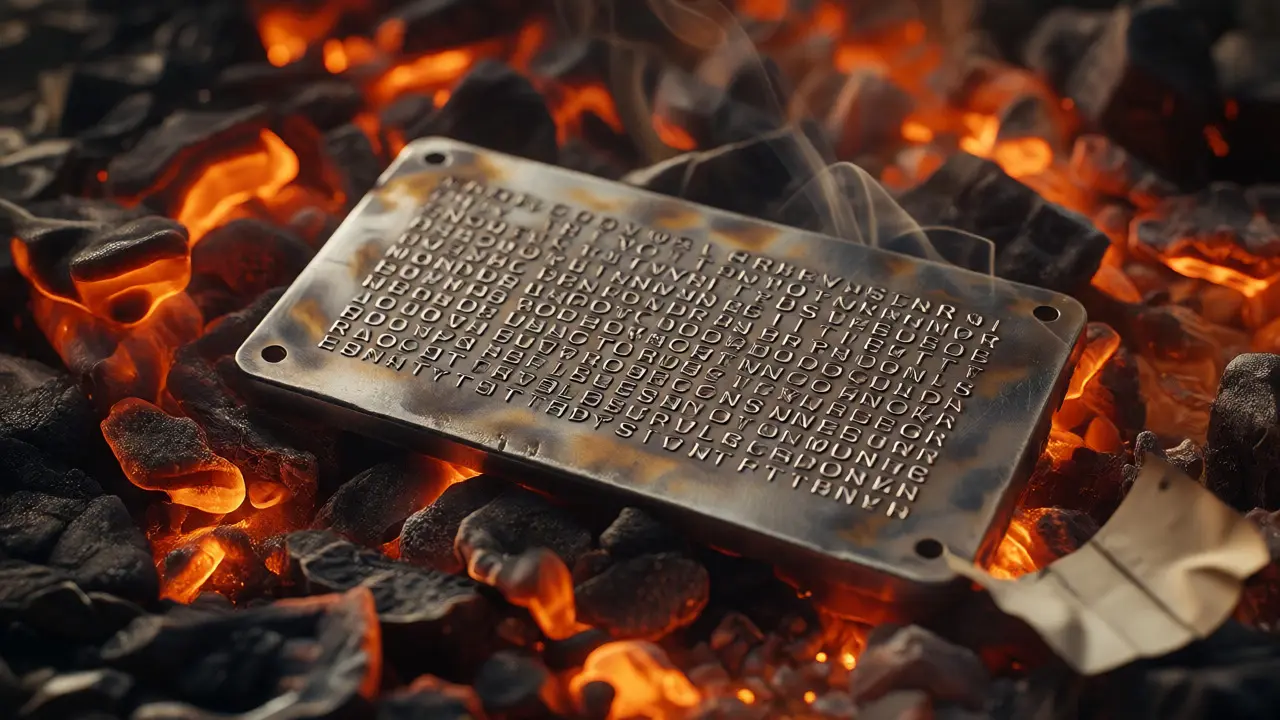
Imagine your house catches fire. You grab the essentials-pets, kids, maybe a laptop-but you leave behind the piece of paper with your Bitcoin recovery phrase on it. That slip of paper turns to ash in seconds. Now imagine that same phrase is stamped into a slab of titanium. It sits in the embers, blackened but intact, ready to restore your wealth when you pick it up. This isn't hypothetical; it's the core promise of metal seed backups. As we move deeper into 2026, these devices have shifted from niche geeky accessories to essential tools for anyone holding meaningful crypto assets.
If you are still trusting your life savings to a notebook or a laminated card, you are gambling against physics. Paper burns at around 233°C (451°F). A typical house fire easily exceeds 600°C. Stainless steel melts at roughly 1,400°C, and titanium pushes past 1,600°C. The gap between survival and total loss is massive. But not all metal backups are created equal. Some fail under pressure, others corrode, and some are just expensive gimmicks. Here is how to navigate the market, choose the right device, and actually use it correctly so you don't lose your keys twice.
Why Paper Fails and Metal Survives
The argument for metal is simple durability. Paper is vulnerable to three main enemies: fire, water, and time. Fires destroy paper instantly. Floods turn ink into smudges. Even in dry conditions, paper degrades over decades, especially if stored in attics or basements where humidity fluctuates. Metal seed backups, typically made from stainless steel or titanium, eliminate these risks. They do not burn, they do not rot, and they resist corrosion for generations.
Jameson Lopp, a prominent Bitcoin engineer, spent years stress-testing over 70 different metal devices. His findings were stark: most high-quality metal plates survived direct flame, submersion in acid, and crushing under a 20-ton press. In contrast, many digital backups fail due to bit-rot or hardware obsolescence. If your USB drive dies in ten years, can you find a compatible port? Probably not. A steel plate stamped with letters will look exactly the same in fifty years as it does today. This longevity is why major wallets like Ledger and Trezor now bundle or recommend metal solutions as part of their standard security kits.
Stainless Steel vs. Titanium: What’s the Difference?
When shopping, you will see two main materials. Choosing between them depends on your budget and how much paranoia you want to pay for.
| Material | Melting Point | Corrosion Resistance | Typical Price Range | Best For |
|---|---|---|---|---|
| 304/316 Stainless Steel | ~1,400-1,530°C | High (Marine Grade) | $40 - $100 | Most users, long-term home storage |
| Titanium (Grade 5/Aerospace) | ~1,665°C | Extreme | $80 - $250+ | Maximum safety margin, harsh environments |
| Galvanized Steel (DIY) | ~1,300°C (Zinc burns off) | Moderate (Coating fails in fire) | $10 - $20 | Budget DIY projects |
Stainless steel is the workhorse of this industry. Specifically, look for grades 304 or 316. Grade 316 is often called "marine grade" because it resists saltwater corrosion exceptionally well. It handles house fires effortlessly. Unless you plan to bury your backup in an active volcano, stainless steel is sufficient for 95% of users.
Titanium offers a higher melting point and lighter weight. It is harder to stamp, which makes manufacturing more expensive, hence the higher price tag. Devices like the Cryptotag Zeus use thick titanium slabs. Is it necessary? Not strictly. But if you live in an area prone to extreme wildfires where temperatures spike unpredictably, or if you simply want the peace of mind that comes with aerospace-grade materials, titanium is the premium choice.
Plate Systems vs. Tile Capsules: Which Design Wins?
There are two primary ways to encode your seed phrase onto metal. Understanding the mechanics helps you avoid failure points.
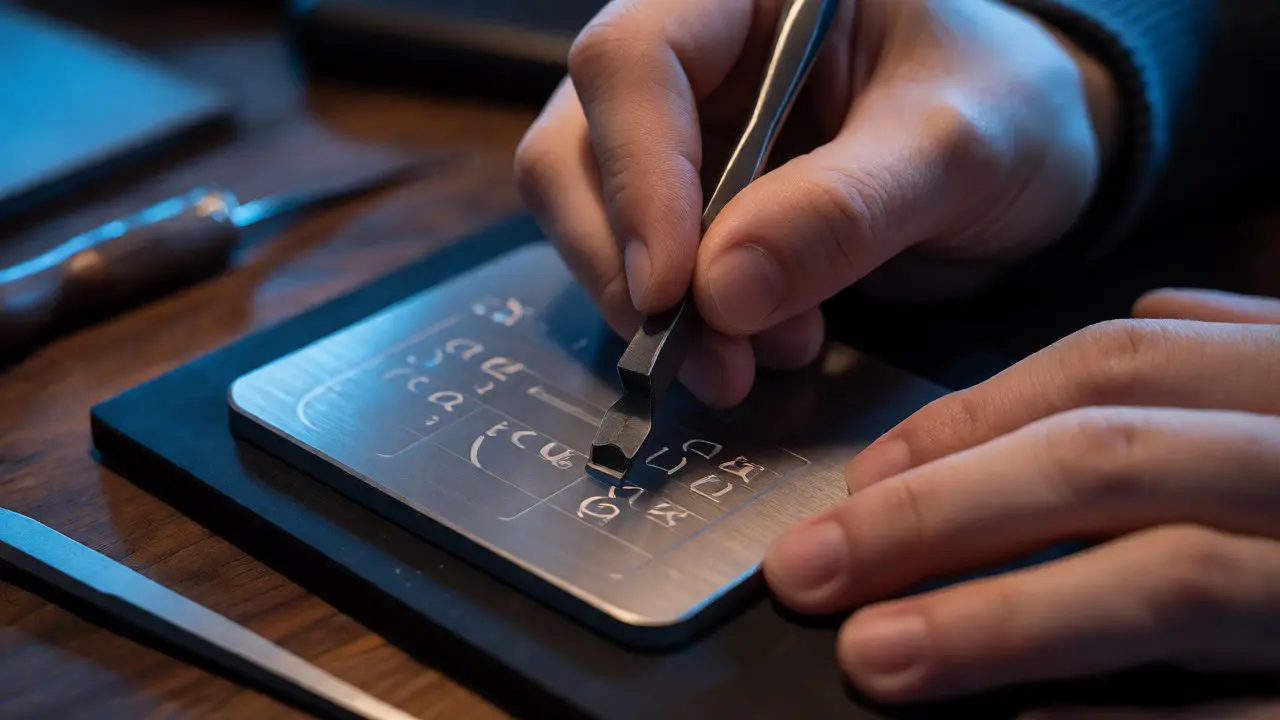
Solid Plate Systems involve stamping or engraving characters directly into a single piece of metal. Examples include BlockPlate, Seedplate, and Coldbit Steel. You use a punch tool to hammer letters or numbers into a grid. Once stamped, the data is permanent. There are no moving parts. If the plate survives the fire, the data survives. Lopp’s testing showed these systems consistently earned top grades for crush resistance. If you drop a solid plate on concrete, it might dent, but the letters remain legible.
Tile-Based Capsules use pre-made metal tiles that slide into a frame or stack inside a cylinder. Cryptosteel Capsule and Billfodl are popular examples. The advantage here is reusability. If you make a typo, you can swap out a tile instead of ruining the whole plate. However, they introduce mechanical complexity. Under extreme pressure, such as being crushed by debris during a collapse, the capsule tube can bend shut, trapping the tiles inside. Or worse, the fasteners fail, and the tiles scatter. In Lopp’s tests, several tile-based designs failed the crush test despite passing the fire test. If you choose a capsule, ensure it has robust locking mechanisms, like the newer cotter-pin designs seen in recent Cryptosteel models.
How to Create Your Backup Without Losing Money
Buying the hardware is only half the battle. Using it incorrectly is the most common way people lose funds. Follow this process to minimize human error.
- Generate on Hardware: Always generate your seed phrase on a hardware wallet (like Trezor or Ledger), never on a computer connected to the internet.
- Write on Paper First: Write the 12 or 24 words on a temporary piece of paper. Do not skip this step. It allows you to verify the order before committing to metal.
- Prepare the Workspace: Remove phones, smart speakers, and cameras from the room. Metal stamping is loud and requires focus. Distractions lead to typos.
- Stamp One Word at a Time: Use the provided template. Stamp the first four letters of each word (this uniquely identifies BIP39 words) or the index number. Double-check each letter immediately after stamping it. Do not wait until the end.
- Verify Before Destroying Paper: Once the metal is stamped, read it back aloud. Compare it to your paper note. Then, perform a full wallet restoration using a separate, clean software installation or hardware wallet. Only after confirming the metal backup restores your exact address should you shred the paper note.
A critical tip: If you use a passphrase (the 25th word), store it separately. Do not stamp it on the same plate as the seed phrase. If someone finds your metal plate, they get the seed. If they also know the passphrase, they own your coins. Separation adds a layer of security.
Storage Strategies: Don’t Put All Eggs in One Safe
You might think, "I bought a fireproof safe, so I'm good." Wrong. Safes are great for theft protection, but they can become ovens during prolonged fires. And if your house collapses, a bolted-down safe is hard to retrieve.
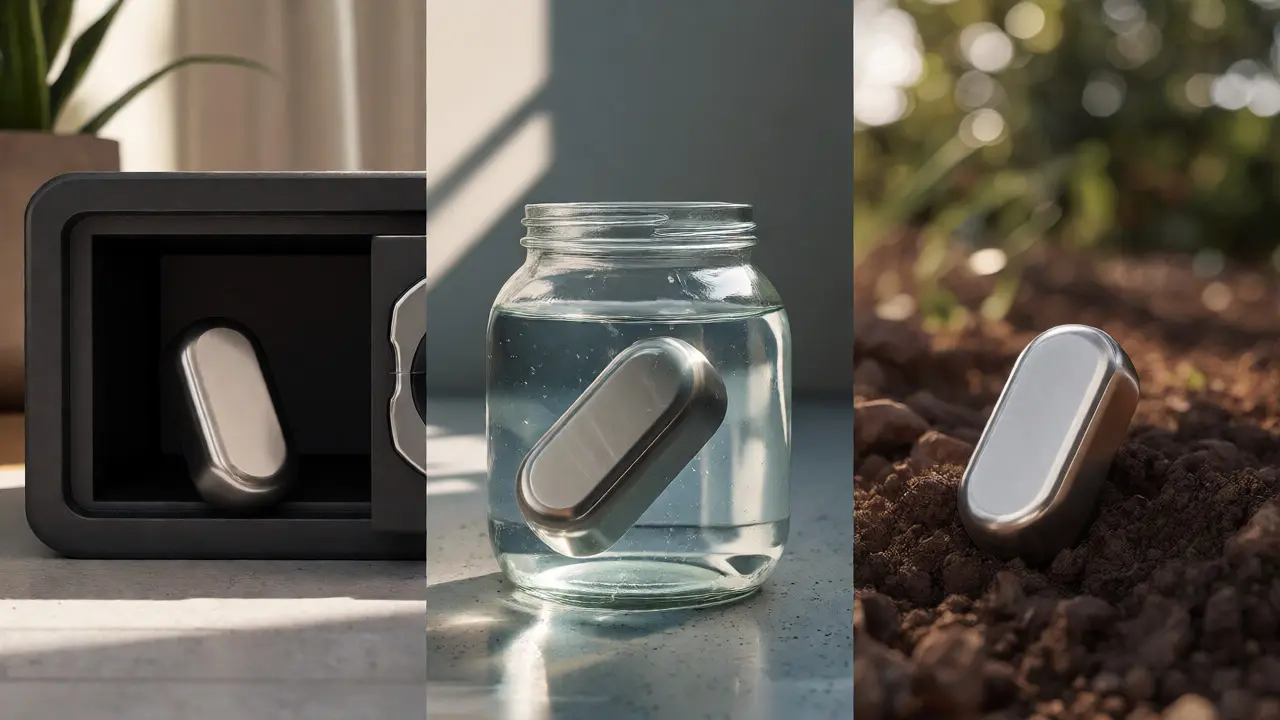
The best practice is geographic distribution. Create two or three identical metal backups. Store one in your home safe for quick access. Store another in a bank safe deposit box. Store a third with a trusted family member or in a different city. This protects you from local disasters. If your neighborhood floods, your bank backup remains dry. If your bank closes unexpectedly, your home backup is accessible.
Consider the environment. While stainless steel resists rust, it isn't immune to neglect. If you store a backup in a damp basement for twenty years, check it annually. Wipe it down. Ensure the stamping hasn't been obscured by surface oxidation. For maximum longevity, some users seal their plates in vacuum bags or embed them in concrete pillars, though this makes retrieval difficult unless you document the location clearly.
Common Pitfalls and How to Avoid Them
Even experienced users make mistakes. Here are the traps to watch out for.
- The Typo Trap: Stamping the wrong letter is fatal. Unlike digital text, you cannot hit backspace. If you mess up a solid plate, you usually have to buy a new one. Practice on scrap aluminum or copper sheets first. Get a feel for the force needed.
- Ignoring the Passphrase: Many users forget that the seed phrase alone is incomplete if a passphrase was used. Documenting the passphrase location is as important as the seed itself.
- Over-Engineering: Don't buy a complex system with ten moving parts if you just need to protect one seed. Simplicity reduces failure modes. A simple steel plate with punched dots is often more reliable than a fancy magnetic cassette.
- Losing the Key to the Lock: If you use a capsule that requires a specific tool or key to open, keep that tool with the backup. If you lose the key, you might need to cut the capsule open, risking damage to the internal tiles.
Is Metal Worth It for Small Holdings?
If you hold $50 worth of crypto, a $100 titanium plate might seem excessive. For small amounts, multiple copies of laminated paper in different locations are acceptable. However, the cost of metal backups has dropped significantly. Basic stainless steel plates now start around $40. When you consider that losing your seed means losing 100% of your holdings, the insurance value becomes clear. Think of it as a one-time purchase that eliminates the anxiety of paper degradation. For any amount that would cause financial pain if lost, metal is the logical upgrade.
The market continues to evolve. New entrants like Coinplate and VAULTIGO are focusing on user-friendly layouts, while established brands refine their crush resistance. Regardless of the brand, the principle remains: physical permanence beats digital fragility. By September 2026, there is no excuse for relying solely on paper for serious self-custody.
Can I reuse a metal seed backup if I change my wallet?
It depends on the design. Solid plates (like BlockPlate) are generally single-use because the metal is permanently deformed by punching. Tile-based systems (like Cryptosteel or Billfodl) are reusable; you can remove the old tiles and insert new ones. If you anticipate changing seeds frequently, a tile-based system saves money in the long run, provided it passes crush tests.
Does metal backup protect against theft?
No. Metal backups protect against environmental destruction (fire, flood, decay), not theft. If a thief steals your metal plate, they have your seed phrase. To protect against theft, combine metal backups with passphrases or multi-signature setups, and hide the backups in non-obvious locations rather than obvious safes.
What happens if the metal gets too hot for the stamps to be readable?
In extreme heat, metal can discolor or warp slightly, but the depth of the punch ensures readability. Most quality devices are tested at temperatures far exceeding house fires (up to 1,400°C+). Even if the surface oxidizes, the physical indentation remains. You may need to clean the plate with a wire brush or sandpaper to reveal the characters, but the data will not vanish.
Do I need to store the entire 24-word seed on metal?
Yes. You must store the complete seed phrase. Missing even one word renders the backup useless for recovery. Some advanced methods allow storing checksums or partial phrases, but for standard BIP39 wallets, the full set of 12 or 24 words is required. Verify that your chosen device has enough capacity for your specific wallet type.
Is titanium better than stainless steel for underwater storage?
Both are excellent. Titanium is naturally more resistant to corrosion, particularly in saltwater, making it ideal for marine environments. High-grade stainless steel (316) is also highly resistant and sufficient for most freshwater or indoor humid conditions. For general purposes, the difference is marginal, but titanium offers a longer lifespan in harsh chemical or saline environments.