

Imagine trying to open a bank account, but instead of filling out a form, you’re handed a 12-word secret code you have to write down on paper, memorize, and never lose-or all your money disappears. Then, you’re told to wait 15 minutes while a computer scans your face, your ID, and your utility bill. And if you make one mistake? You start over. This isn’t science fiction. This is how most people try to get into cryptocurrency today.
Why People Walk Away from Crypto Wallets
Most people don’t quit crypto because they don’t believe in it. They quit because the setup feels like a technical obstacle course. According to RocknBlock’s 2025 user testing data, the average first-time user spends 12.7 minutes just trying to create a non-custodial wallet like MetaMask. That’s longer than most people spend making a coffee. And at the end of it? They’re still not sure if they did it right. The biggest culprit? Seed phrases. These 12- to 24-word recovery codes are meant to keep your funds safe. But for someone who’s never heard the term before, they’re terrifying. Lightico’s 2024 study found that 63% of new users fail to correctly enter their seed phrase on the first try. Many panic and take screenshots-exactly what security experts warn against. Others write it down on a sticky note and lose it. A November 2024 incident reported by RocknBlock showed 12,000 users lost funds simply because they misunderstood how to store their recovery phrase. It’s not just the setup. It’s the language. Wallets still use terms like “gas fees,” “Merkle trees,” and “decentralized consensus.” These aren’t just confusing-they’re alienating. A Stanford UX study in January 2025 found crypto onboarding requires 3.2 times more mental effort than opening a traditional bank account. Error rates? 4.7 times higher.KYC: The Compliance Wall
Even if you survive the wallet setup, you hit the next wall: KYC. Know Your Customer. It’s the process exchanges use to verify your identity. In most countries, that means uploading a photo of your passport, taking a live selfie, and proving you live where you say you do. On average, this takes 8.3 minutes. That might not sound like much-but when you’re already stressed from setting up your wallet, it’s the final straw. And it’s inconsistent. Some platforms make it quick. Others drag it out. TRM Labs’ 2024 compliance guide found that overly aggressive KYC leads to a 37% higher churn rate among new users. People don’t mind verification if it’s clear and fast. But if they’re asked to re-upload documents three times, or if the system says their lighting is “too dim,” they bail. Compare that to platforms using Lightico’s onboarding software: they report 78% completion rates. Why? Because they show one step at a time. They use simple instructions. They tell you exactly what to do. “Hold your ID up to the light.” “Move your head slowly.” “Make sure your face fills the frame.” No jargon. No surprises.Wallet Types: Custodial vs Non-Custodial
There are two kinds of crypto wallets: custodial and non-custodial. And the difference matters a lot for onboarding. Custodial wallets-like those from Coinbase or Binance-are like digital bank accounts. The platform holds your keys for you. Setup? About 3.2 minutes. You sign up, verify your identity, and you’re done. But if the exchange gets hacked? Your money is at risk. In 2024 alone, $3.8 billion was stolen from centralized exchanges, according to TRM Labs. Non-custodial wallets-like MetaMask or Trust Wallet-put you in full control. You own the keys. No one else can touch your funds. But that also means you’re 100% responsible. Setup takes over 12 minutes. Abandonment rates are 41% higher than custodial wallets, per ND Labs’ 2025 data. The real winner? Mobile-first wallets. Trust Wallet, for example, has an 83% onboarding completion rate because it’s designed for thumbs, not keyboards. It shows animations. It explains each step in plain English. It doesn’t overwhelm you with options. Desktop wallets? Only 56% of users finish setup.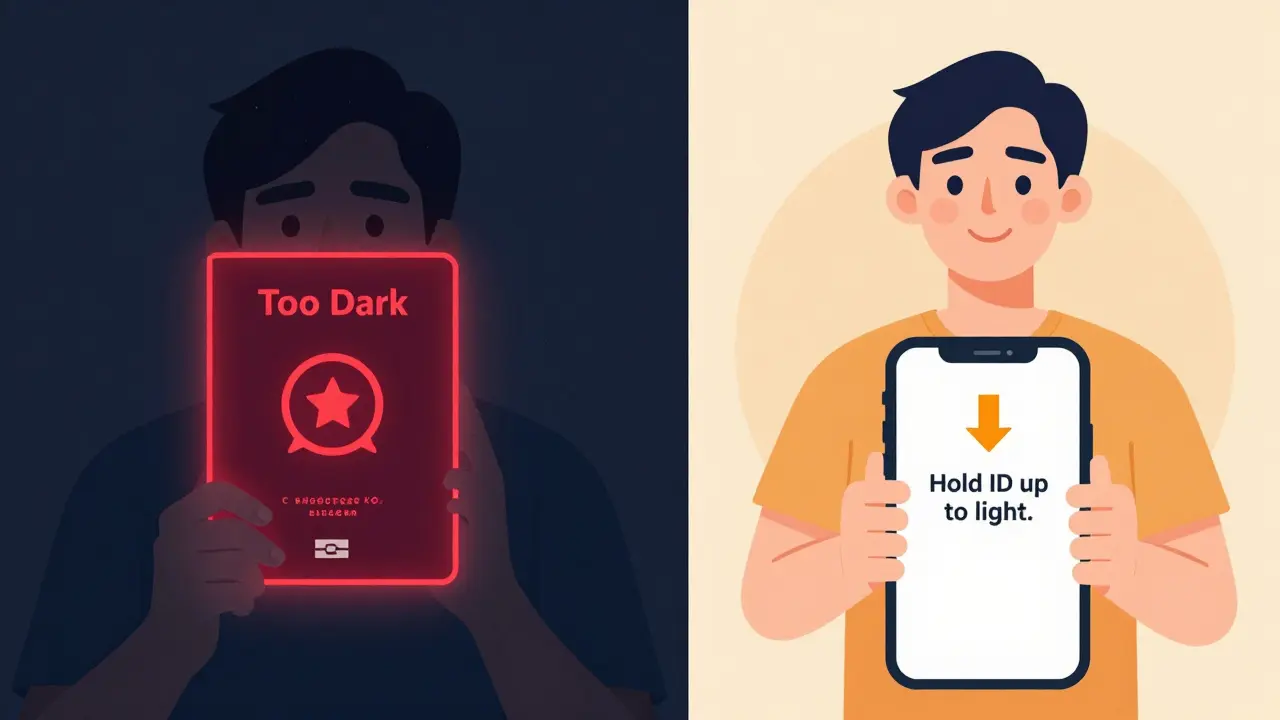
What Works: The Best Practices
The companies winning onboarding aren’t the ones with the most features. They’re the ones who stripped away the noise. Here’s what the top wallets are doing right:- Progressive disclosure: Only show what you need right now. Don’t dump all the options on the first screen.
- Plain language: Say “transaction fee” instead of “gas.” Say “backup code” instead of “seed phrase.” MetaMask’s 2024 redesign cut support tickets by 29% just by changing the wording.
- Interactive walkthroughs: Instead of a static guide, show a step-by-step animation. 63% of top wallets now use this. Users who go through walkthroughs complete setup 37% faster.
- Confidence-building feedback: Tell users they’re doing it right. “Great job! Your backup code is saved.” “Your wallet is ready.” Small affirmations reduce anxiety.
- Mobile-first design: 82% of successful new wallets are built for phones first. Desktop is an afterthought.
And the results? RocknBlock found that every 10% reduction in onboarding friction leads to a 22% increase in active users. That’s not a small gain. That’s billions in potential transaction volume.
What Users Are Saying
Look at Reddit. In a February 2025 thread titled “Why I Gave Up on Crypto Wallets,” 83% of 1,247 comments blamed complexity. One user wrote: “I spent two hours trying to get MetaMask working. I gave up. I don’t have time to be a crypto engineer.” Trustpilot reviews tell the same story. MetaMask averages 3.2 out of 5 stars. The top complaint? “Confusing seed phrase process.” Coinbase Wallet scores higher-4.1 out of 5-but 28% of negative reviews say the KYC took too long. But here’s the hopeful part: users who had good experiences don’t just stick around-they tell others. Trust Wallet users mention “one-tap setup” in 87% of their 5-star reviews. Coinbase’s simplified KYC got a 4.3/5 for “ease of verification.” And here’s a telling stat: a survey of 2,345 crypto users found 67% would pay a small fee to have someone else set up their wallet. They’re not against crypto. They’re against the hassle.
What’s Changing in 2025 and Beyond
The industry knows this is the bottleneck. And change is coming fast. MetaMask launched “Guided Setup” in March 2025. It walks you through every step with animations and voiceovers. Abandonment dropped by 29%. Coinbase cut its KYC time from 8.3 minutes to 3.7 minutes. Trust Wallet’s mobile flow now finishes in under 5 minutes. Even bigger changes are on the horizon:- Biometric logins replacing seed phrases: Ledger is testing fingerprint and facial recognition to unlock wallets. No more writing down 12 words.
- AI onboarding assistants: 63% of top wallet providers are building chatbots that answer your questions in real time as you set up.
- Regulatory passports: Imagine verifying your identity once-and being able to use it across any exchange. The U.S. Treasury proposed this in October 2024.
By 2027, Gartner predicts 85% of crypto platforms will use “friction-right” onboarding-balancing security and simplicity. Right now, only 32% do.
What You Can Do Today
If you’re new to crypto, here’s the smartest path:- Start with a custodial wallet like Coinbase or Kraken. Get comfortable with buying, selling, and sending crypto.
- Once you’re confident, move to a non-custodial wallet like MetaMask or Trust Wallet.
- Use platforms that explain things in plain language. Avoid ones that throw around jargon.
- Never take screenshots of your seed phrase. Write it on paper. Store it somewhere safe.
- If you get stuck, join a Discord or Reddit community. Most successful wallets have active support groups where real people answer questions within minutes.
Onboarding isn’t just a technical problem. It’s a human one. Crypto isn’t hard to use. It’s just been designed poorly for people who aren’t engineers. The good news? That’s changing. Fast.
The next wave of crypto users won’t be tech insiders. They’ll be teachers, nurses, small business owners, and retirees. And they won’t wait around for a 12-minute setup. The platforms that make this simple? They’ll win.
Why do so many people fail when setting up a crypto wallet?
Most people fail because crypto wallets still use confusing language, complex steps, and security measures that feel overwhelming. Seed phrases, gas fees, and identity verification are unfamiliar concepts. A 2024 Lightico study found 63% of new users can’t correctly enter their seed phrase on the first try. Many panic, take screenshots (which is unsafe), or just give up. Wallets that use plain language, animations, and step-by-step guidance see much higher success rates.
Is KYC really that big of a problem for crypto adoption?
Yes. While KYC is necessary for legal compliance, poorly designed processes are a major turnoff. The average KYC takes 8.3 minutes, and if the system rejects your photo or asks for multiple uploads, users abandon the process. TRM Labs found overly aggressive KYC increases user churn by 37%. Platforms using streamlined tools like Lightico report 78% completion rates-nearly 50% higher than the industry average. Simplicity and clarity matter more than strictness.
Should I use a custodial or non-custodial wallet as a beginner?
Start with a custodial wallet like Coinbase or Kraken. They handle security for you, and setup takes under 5 minutes. You can buy, sell, and send crypto without worrying about seed phrases or private keys. Once you’re comfortable, move to a non-custodial wallet like MetaMask or Trust Wallet. That’s when you take full control-and responsibility-for your funds. Most experienced users recommend this two-step approach.
What’s the fastest way to set up a crypto wallet?
The fastest option is a mobile-first custodial wallet like Coinbase or Trust Wallet. Trust Wallet’s one-tap setup finishes in under 5 minutes. Coinbase’s simplified KYC cuts verification to 3.7 minutes. Avoid desktop wallets and non-custodial options like MetaMask if you’re in a hurry-they take over 12 minutes on average and require more steps.
Can I avoid writing down a seed phrase?
Not yet, but it’s coming. Right now, seed phrases are required for non-custodial wallets. However, Ledger and other hardware wallet makers are testing biometric logins-fingerprint or face recognition-that will replace seed phrases entirely. These are in pilot testing as of mid-2025. Until then, write your seed phrase on paper, store it in a safe place, and never take a photo or save it digitally.
How do I know if a wallet is user-friendly?
Look for these signs: Does it use simple language? Does it show animations or step-by-step guides? Does it let you complete setup in under 7 minutes? Does it have a live chat or active community for help? Wallets like Trust Wallet, Coinbase, and the updated MetaMask score high on these. Avoid wallets with dense documentation, technical terms, or no support options.
11 Responses
Man, I tried setting up MetaMask last week and just gave up after 20 minutes. I’m not techy, I just want to buy some ETH and move on. Why does it feel like I’m signing up for a NASA mission?
Stop coddling people. If you can’t handle a 12-word phrase, you shouldn’t be touching crypto. This isn’t TikTok. Security isn’t optional. Stop whining and learn.
lol imagine being scared of a sentence of words like its a horror movie. seed phrase my ass its just a password you lazy cowards. also why do wallets still look like they were designed in 2015? someone get these devs a UX handbook or just shut up
I get both sides. Seed phrases are scary, but they’re also the only way to truly own your stuff. Maybe we need a middle ground-like a trusted friend or family member who can help you write it down and store it safely. Not screenshots. Not cloud. Paper. Locked box.
It’s not about friction-it’s about selection bias. If you’re the kind of person who panics over a recovery phrase, you’re also the kind who’ll lose their wallet in a week anyway. Crypto isn’t for everyone, and pretending otherwise is just naive.
It is an undeniable fact that the current paradigm of non-custodial wallet onboarding is fundamentally incompatible with the cognitive load tolerance of the average human being. The conflation of decentralization with user-hostile design is not a feature-it is a systemic failure of prioritization. One cannot simultaneously advocate for financial sovereignty and then demand that users perform cryptographic operations with the precision of a nuclear engineer.
OMG YES. I cried when I lost my seed phrase on accident. I was so stressed I didn’t even eat dinner. And then I found out 12,000 other people did the same thing?? I’m not a hacker, I’m a nurse. I just want to send my mom birthday crypto. Why does this have to be so hard??
Just started using Trust Wallet and it was SO much easier than MetaMask. They actually say "hold your phone steady" and show you a little animation. And they call it "backup code" not "seed phrase"-such a small thing but it made me feel way less dumb. Also, no one yelled at me for taking a screenshot (I didn’t, but I was tempted lol).
As a user who has been in crypto since 2017, I must say: the custodial route is the only rational choice for beginners. You want simplicity? Use Coinbase. You want control? Learn the tech later. Don’t confuse convenience with compromise. And yes, seed phrases are necessary. But they don’t have to be terrifying.
Let me be blunt. The entire crypto onboarding experience is a grotesque parody of user-centric design. It is not merely flawed-it is actively hostile to non-technical users. The industry has been given a decade to fix this, and what do we see? A handful of token gestures wrapped in marketing fluff. The real issue is not UX-it is ideology. The belief that security must be painful, that education must be a burden, that the masses must be punished for their ignorance. This is not innovation. This is elitism dressed in blockchain. And until the architects of these systems stop treating users like potential thieves, adoption will remain a pipe dream. The future belongs to those who build for humans-not for paranoid cryptographers who think everyone is a hacker.
^^^ this. I’m not trying to be a crypto bro. I just want to send my niece a birthday gift. If I had to memorize a passphrase to do it, I’d just send cash. No shame in that.