
You hold significant Bitcoin wealth, but what happens when you pass away? Unlike a house or a bank account, your coins don't sit in a vault with a key that a lawyer can hand over. They exist purely as mathematical proofs of ownership. If your heirs don't know exactly how to unlock that math, the money is gone forever. It’s not just lost; it’s permanently erased from their potential lives. As of 2026, estimates suggest tens of billions of dollars in Bitcoin lack clear inheritance plans, meaning many families are one tragedy away from losing generational wealth.
The core problem is simple yet brutal: private keys are cryptographic codes that grant sole control over Bitcoin assets, with no central authority to recover them if lost. You need a strategy that keeps these keys safe from thieves while ensuring your family can access them without needing to become blockchain engineers overnight. Here is how to build that safety net.
Why Traditional Estate Planning Fails for Crypto
Your will lists your house and your car. But if you write "my Bitcoin" in that same document, you’ve created a trap. Wills become public records after probate. If you list specific amounts or even hint at where the keys are, you’re leaving a map for hackers. More importantly, a will doesn’t teach your heir how to use a hardware wallet. They might inherit the legal right to the coins but have zero technical ability to move them.
Traditional assets rely on institutions. A bank manager can reset a password. A solicitor can open a safe. Bitcoin has no customer service line. This disconnect means you must bridge two worlds: legal clarity and technical accessibility. The goal isn't just to hide the keys; it's to create a process your family can follow under stress, possibly years after you're gone.
The Foundation: Hardware Wallets and Seed Phrases
Most people start here. A hardware wallet is a physical device that stores private keys offline, signing transactions only when physically connected to a computer or phone. Brands like Ledger or Trezor are common choices. When you set one up, it generates a seed phrase is a backup code of 12 or 24 words that can restore all accounts associated with the wallet.
For basic inheritance, you might tell your spouse where the device is and give them the PIN. But this is risky. If the device breaks, the PIN is useless. If the device is stolen, they still need the seed phrase. The most robust single-device approach involves writing down the seed phrase on a durable medium, such as a steel plate from Cryptosteel, and storing it separately from the device. Paper burns; metal lasts centuries. Store the device in a safe and the metal plate in a bank deposit box. Then, leave a letter of instruction explaining exactly what to do.
This method works, but it relies heavily on your heir’s technical comfort. Can they navigate the recovery interface? Do they understand what a network fee is? If the answer is no, you need a more layered approach.
Leveling Up: Multisignature Wallets for Shared Control
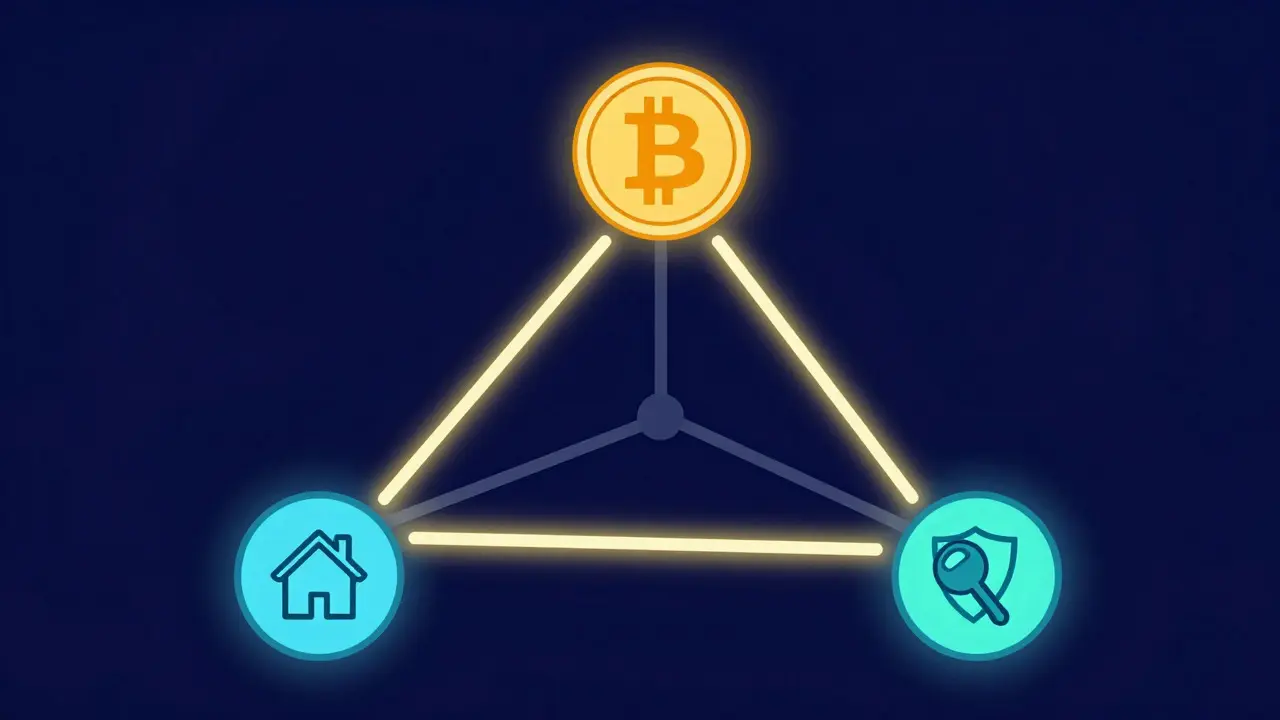
If you want to reduce the risk of total loss and lower the technical barrier for your heirs, look into multisignature wallets (or multisig). This setup requires multiple keys to authorize a transaction. The standard inheritance model is a 2-of-3 configuration. This means there are three keys involved, and any two of them are needed to spend the Bitcoin.
How does this help? Imagine you hold Key 1. Your heir holds Key 2. A professional service, like Casa or Unchained Capital, holds Key 3. If you die, your heir contacts the service. The service verifies your death certificate and beneficiary status, then releases Key 3. Now your heir has two keys (theirs and the service's) and can access the funds. No single point of failure exists. If your heir loses their key, the service still holds one. If the service goes out of business, your heir still has their key and can potentially find another co-signer.
This method also improves privacy. Blockchain analysts can’t easily see that you’re using a multisig setup, so they don’t know your security architecture. For large balances, this adds a layer of obscurity that single-key setups lack. Plus, transaction fees can be slightly lower because the data structure is optimized, saving money when moving large sums.
Professional Services vs. Family Guardians
You have two main paths for the third key in a multisig setup: hire a pro or use family. Professional services like Swan Bitcoin or Nunchuk manage the infrastructure. They handle the verification process, reducing the emotional and logistical burden on your family. Swan, for instance, uses Blockstream Jade devices and a cloud-based key they manage, allowing you to simply update your trust document to reference their account. This is ideal if you want a "set it and forget it" solution with expert support.
Alternatively, you can use a guardian network, often called threshold cryptography. You designate five trusted individuals-siblings, close friends, or advisors-who each hold an encrypted share of your seed phrase. No single person has full access. Three out of five must come together to reconstruct the key. This keeps control within your personal circle but requires coordination. Who calls whom? What if one guardian moves abroad? It’s less expensive than professional services but demands more social management.
| Method | Security Level | Heir Technical Skill Required | Cost | Key Risk |
|---|---|---|---|---|
| Single Hardware Wallet + Written Instructions | High (if stored safely) | Medium-High | Low (Device cost only) | Loss of device or instructions; heir confusion |
| 2-of-3 Multisig with Professional Service | Very High | Low-Medium | Medium-High (Service fees) | Service insolvency; legal delays in verification |
| Guardian Network (Threshold Crypto) | High | Low | Low (No ongoing fees) | Coordinator failure; guardians unavailable |
| Timelocked / Dead-Man Switch | Medium | None (Automated) | Low (Coding/Setup cost) | Inflexibility; permanent lockout if owner is incapacitated but alive |
The Danger of Automation: Timelocks and Dead-Man Switches
You might hear about "dead-man switches" that automatically release funds after six months of inactivity. While appealing for its simplicity, this is risky. Blockchain code doesn’t know if you’re dead or just on a long sabbatical. If you’re hospitalized for eight months, the clock might run out, and your heirs could accidentally trigger the transfer before you’re ready. Worse, if the code is misconfigured, the funds could be locked forever with no way to reverse it. Unless you have a very specific reason to avoid human intervention, manual verification via multisig is safer than automated time locks.

Legal Integration: What to Put in Your Will
Your legal documents should mention your cryptocurrency holdings, but keep the details vague. List the percentage of your estate allocated to crypto, rather than the exact number of coins or the location of the keys. Appoint a digital asset executor who understands technology, or at least is willing to learn. Avoid naming a traditional attorney as the sole trustee for crypto unless they specialize in digital assets; regulatory hurdles can slow things down. Instead, use the will to direct beneficiaries to a separate, secure location (like a safe deposit box) where the technical instructions reside.
Building Your Inheritance Plan: A Step-by-Step Guide
- Audit your holdings: Know exactly how much Bitcoin you own and in which wallets. Consolidate small dust amounts if necessary to simplify management.
- Choose your method: Decide between a simple hardware wallet setup or a 2-of-3 multisig arrangement based on your family’s tech literacy and your budget.
- Secure the keys: Use metal backups for seed phrases. Distribute physical components across different locations (home safe, bank box, trusted relative).
- Document the process: Write a step-by-step guide for your heirs. Include screenshots, contact info for support services, and the location of every physical item. Keep this guide separate from the keys themselves.
- Update legal documents: Have your will or trust updated to reflect the existence of digital assets and appoint a competent executor.
- Test the plan: Simulate the inheritance process with your heirs. Let them practice recovering a test wallet. This ensures they aren’t learning on the day of crisis.
Bitcoin inheritance isn't about hiding your wealth; it's about engineering access. By combining robust cryptographic tools with clear legal and practical instructions, you ensure that your digital gold actually reaches the hands of those you love, rather than vanishing into the void of forgotten passwords.
Should I put my Bitcoin seed phrase in my will?
No. Wills become public records during probate. Putting your seed phrase in a will exposes your private keys to anyone who can read the document, making your Bitcoin vulnerable to theft. Instead, store the seed phrase securely and only include instructions in the will on how to find it.
What is the safest way to store a seed phrase for long-term inheritance?
Engrave the seed phrase onto a stainless steel plate (like those made by Cryptosteel) to protect against fire, water, and decay. Store the metal plate in a secure location separate from the hardware wallet itself, such as a bank safety deposit box or a trusted family member's home.
Do I need a lawyer to set up Bitcoin inheritance?
Yes, you should consult a lawyer experienced in digital assets to update your will or trust. However, the lawyer handles the legal side, while you or a specialist service handle the technical key management. The lawyer ensures the legal title transfers correctly, while the technical setup ensures the actual coins can be accessed.
Can my heirs access my Bitcoin if I lose consciousness but am not dead?
If you use a timelock/dead-man switch, yes, but it may take months. If you use a multisig setup with a professional service, they typically require proof of death, so access might be delayed until legal confirmation. To mitigate this, some users add a power of attorney clause specifically for digital assets, allowing a designated agent to act on their behalf during incapacity.
Is it better to use a professional service or family members for the second key?
Professional services offer reliability and reduced family conflict but cost money. Family members are free but introduce human error and relationship risks. For high-value portfolios, professional services are generally recommended for their structured verification processes. For smaller amounts, a trusted family member holding a key in a 2-of-2 or 2-of-3 setup can work well.
9 Responses
Let’s be real, the article misses the biggest elephant in the room: tax liability. You can have the most sophisticated multisig setup in the world, but if your heirs don’t understand cost basis tracking and capital gains, they’re just going to sell everything at a premium rate because they’re scared of the IRS. I’ve seen this happen too many times. The technical key is easy; the financial literacy is where it fails. Most people treat Bitcoin like a casino chip rather than an asset class with strict accounting requirements. They forget that holding period matters for the tax bracket. If you don’t document every purchase date and price, your heir is guessing. And guessing in crypto usually means overpaying taxes by 30%. It’s not just about security, it’s about solvency after fees. A lawyer who knows probate but not blockchain is useless here. You need a hybrid approach that covers both legal title and fiscal compliance. Otherwise, you’re just moving money from one pocket to another while paying a hefty toll to the government.
Multisig is a scam invented by VCs to charge you annual fees. Just use a steel plate and bury it in your backyard. That’s what Satoshi would do. No middlemen, no services, no drama. If your kid can’t find a shovel, they didn’t deserve the coins anyway. Pure HODL mentality. Everything else is just complexity for the sake of selling software subscriptions. Keep it simple or lose it all.
I actually love the idea of testing the plan with your heirs! My dad did exactly this with our family trust last year. He made us sit down and walk through the recovery process on a testnet wallet. It was so much less scary when we actually saw how it worked. We even practiced finding the hardware wallet in the safe. It turned out he had hidden the PIN in a very silly place (inside his favorite hat), which made us laugh, but it worked! It gave us such peace of mind knowing we weren't starting from zero if something happened. Highly recommend making it a family event, maybe over dinner or something casual. It breaks the tension around death and inheritance. Plus, it ensures everyone knows where the backup keys are. Better safe than sorry, right? 😊
THIS IS THE MOST IMPORTANT POST I’VE READ ALL YEAR!!! 🚀🚀🚀
Can we talk about how terrifying it is that half the internet is still writing their seed phrases on sticky notes?? Or worse, storing them in cloud backups?! One hacker gets into your AWS account and boom, generational wealth gone. Poof. Like smoke. I’m shaking just thinking about it. The fact that tens of billions are at risk is insane. We need to wake up people. This isn’t just for whales anymore, it’s for the regular Joe who bought $5k worth in 2020 and forgot about it. Those coins are sitting there, vulnerable. Let’s spread the word. Share this everywhere. Save some families from total ruin. The future depends on us being smart about this!
great point about the timelocks
i think a lot of people overlook the human element here
it's not just about the code
it's about who you trust
if you pick the wrong guardian
you're in trouble
but if you pick the right ones
it works wonders
keep it simple and personal
that's my take
You’re all missing the point. The only secure wallet is the one that doesn’t exist yet. Why hold BTC at all if you can’t guarantee transfer? Sell it. Buy gold. Gold has been around for 5,000 years. Bitcoin is 15. Do the math. Risk-adjusted return favors physical assets for inheritance. Crypto is for speculation, not legacy planning. Stop pretending otherwise.
Why do we always rely on foreign tech companies for our national treasure? Ledger is French. Trezor is Czech. Even the blockchains run on global servers. For true American sovereignty, we should be building domestic hardware solutions. Support US-made crypto devices. Keep the keys on American soil. Don’t let offshore jurisdictions dictate our financial freedom. It’s time to bring the infrastructure home.
just wanted to add a quick tip i learned recently!
when you write down your seed phrase on metal make sure you use a laser engraver or deep stamping
pen ink fades over time even on good paper
and cheap etching tools can be hard to read later
also consider keeping a copy of the instructions in a fireproof box separate from the keys themselves
it saves so much headache later i promise
good luck everyone!
One must acknowledge the significant legal ambiguity surrounding digital assets in many jurisdictions. While the technical aspects are well-documented, the probate courts remain largely unprepared for non-custodial holdings. Until legislation catches up, the 'digital asset executor' role is more aspirational than practical. One should proceed with caution, ensuring that the will explicitly references the specific wallet addresses and recovery mechanisms without exposing the keys. Precision in legal drafting is paramount to avoid costly litigation. Do not assume standard estate laws apply seamlessly to cryptographic assets. Consultation with a specialist is not optional; it is essential for due diligence. The intersection of law and cryptography requires a nuanced approach that few general practitioners possess. Ignoring this gap invites unnecessary risk for the beneficiaries. Therefore, thorough preparation is the only viable path forward.